OSH 30-Hour General Industry
OSH 30-Hour General Industry in Portmore, Jamaica.
5.0 stars on Google
From 1 Google review.
We come to you
Covering areas in Jamaica and the Caribbean.
Training at your workplace
We come to workplaces, schools and community centres across Jamaica.
About the OSH 30-Hour General Industry Program
The Jamaica Rescue Academy (JRA) OSH 30-Hour General Industry Programme is a comprehensive occupational safety and health training programme designed to equip workers, supervisors, team leaders, safety representatives, occupational health personnel, and emergency response personnel with the knowledge and practical competencies necessary to recognize workplace hazards, prevent occupational injuries and illnesses, promote safe working practices, and contribute to effective workplace safety management. The programme provides structured instruction in Occupational Safety and Health Administration (OSHA) General Industry standards and internationally recognised workplace safety principles, while incorporating relevant Jamaican occupational safety and health legislation, regulatory requirements, and workplace compliance considerations. This curriculum integrates: • OSHA General Industry Standards • HEART/NSTA Trust Competency-Based Education and Training (CBET) methodology • Jamaica Ministry of Labour and Social Security (MLSS) Occupational Safety and Health (OSH) compliance framework • Scenario-based and practical workplace learning strategies • Workplace inspection and hazard assessment training • The program prepares trainees to function safely and professionally in: • Manufacturing environments • Warehousing and logistics • Healthcare facilities • Hospitality and tourism sectors • Construction support services • Security operations • Transportation industries • Government and public-sector workplaces • Industrial and commercial facilities
Training Method The following instructional methods will be utilized throughout the course: • Interactive Lectures • Guided Discussions • PowerPoint Presentations • Scenario-Based Exercises • Workplace Simulations • Demonstrations and Return Demonstrations • Role-Playing Activities • Hazard Identification Exercises • Practical Workshops • Emergency Evacuation Drills • Fire Safety Simulations • Safety Audits and Inspections • Team-Based Learning Activities • Reflective Learning Sessions • Video-Based Competency Assessments • Case Study Analysis • Workplace Incident Reviews
- Fundamental occupational safety and health principles.
- Objectives and importance of workplace safety programmes.
- Introduction to OSHA and the General Industry regulatory framework.
- Employer responsibilities and worker rights.
- Workplace safety responsibilities and accountability.
- Introduction to Jamaican occupational safety and health legislation and regulatory requirements.
- The role of workplace safety representatives and safety committees.
- Building and maintaining a positive workplace safety culture.
- Identification of physical, chemical, biological, ergonomic, and environmental hazards.
- Recognising unsafe acts and unsafe working conditions.
- Conducting workplace hazard assessments.
- Evaluating workplace risks and determining appropriate control measures.
- Applying the hierarchy of controls.
- Developing and implementing workplace hazard prevention strategies.
- Reporting and documenting identified hazards.
- Monitoring corrective actions and reviewing risk control measures.
- Principles and procedures for conducting workplace safety inspections.
- Identifying unsafe equipment, machinery, and working environments.
- Recognising potential causes of workplace accidents and occupational injuries.
- Workplace housekeeping and general safety practices.
- Identifying deficiencies in workplace safety arrangements.
- Documenting inspection findings and recommending corrective actions.
- Incident, accident, and near-miss reporting.
- Participating in workplace accident prevention programmes.
- General Industry safety principles and applicable OSHA standards.
- Machine guarding and machinery safety.
- Electrical safety and hazardous energy control.
- Lockout/Tagout (LOTO) procedures.
- Walking-working surfaces and fall prevention.
- Safe material handling and storage.
- Industrial equipment and workplace operational safety.
- Confined space hazard awareness and entry safety principles.
- Safe work practices and workplace access control.
- Understanding the purpose and importance of PPE.
- Identifying workplace activities requiring PPE.
- Selecting appropriate PPE based on identified hazards.
- Proper use, inspection, care, and maintenance of PPE.
- Limitations of different types of protective equipment.
- Recognising the importance of PPE within the hierarchy of controls.
- Introduction to workplace chemical hazards.
- Understanding chemical hazard classification and labelling.
- Interpreting Safety Data Sheets (SDS).
- Understanding the Globally Harmonized System (GHS) of Classification and Labelling of Chemicals.
- Safe chemical handling, storage, and disposal principles.
- Exposure prevention and appropriate protective measures.
- Recognizing chemical spills and potential exposure incidents.
- Responding appropriately to chemical emergencies.
- Introduction to workplace ergonomics.
- Identifying ergonomic hazards and risk factors.
- Safe lifting and manual material handling techniques.
- Preventing musculoskeletal injuries.
- Workstation design and proper working posture.
- Repetitive motion and workplace strain prevention.
- Applying ergonomic principles to improve workplace safety.
- Identifying common workplace fire hazards.
- Fire prevention and general fire safety practices.
- Understanding fire classifications and appropriate extinguishers.
- Demonstrating appropriate fire extinguisher operation using suitable training equipment.
- Workplace emergency response procedures.
- Emergency evacuation planning and procedures.
- Emergency assembly points and personnel accountability.
- Developing and reviewing Emergency Action Plans (EAPs).
- Conducting workplace emergency drills and simulations.
- Communication and coordination during workplace emergencies.
- Introduction to occupational health hazards.
- Recognising workplace conditions that may contribute to occupational illness.
- Exposure prevention and basic workplace hygiene principles.
- Understanding workplace environmental conditions.
- Identifying potential biological and infectious hazards.
- Workplace sanitation and welfare considerations.
- Promoting employee health, safety, and wellbeing.
- Recognising medical emergencies in the workplace.
- Activating emergency response systems and requesting assistance.
- Basic casualty assessment and immediate care priorities.
- Introduction to CPR and AED principles.
- Demonstrating CPR skills where included in the programme's practical assessment.
- Understanding the importance of timely emergency medical assistance.
- Coordinating workplace emergency response activities.
- Introduction to applicable Jamaican occupational safety and health legislation.
- Employer responsibilities and duty of care.
- Worker safety responsibilities and workplace rights.
- The role and functions of the Ministry of Labour and Social Security (MLSS).
- The role of the MLSS Labour Inspectorate.
- Identifying and reporting unsafe workplace conditions.
- Workplace accident and incident reporting requirements.
- Workplace safety committees and consultation arrangements, where applicable.
- Employer responsibilities for providing safe working environments.
- Understanding workplace inspections and regulatory compliance.
- How applicable OSHA General Industry standards compare with Jamaican legal requirements and workplace safety expectations.
- What workplace safety inspectors may examine during an inspection.
- What employers are required to provide under applicable Jamaican legislation.
- How workers should raise concerns and report unsafe workplace conditions.
- How organisations can document hazards, incidents, corrective actions, and safety improvements.
- Principles of effective workplace safety leadership.
- Promoting employee participation in workplace safety programmes.
- Communicating hazards and safety concerns.
- Reporting unsafe acts and working conditions.
- Participating in safety meetings and inspections.
- Supporting the implementation of corrective actions.
- Encouraging accountability and continuous workplace safety improvement.
Jamaica compliance link
Every topic is linked to Jamaica's OSH requirements: what MLSS inspectors look for, what employers must provide and how to report violations.
Scenario drills
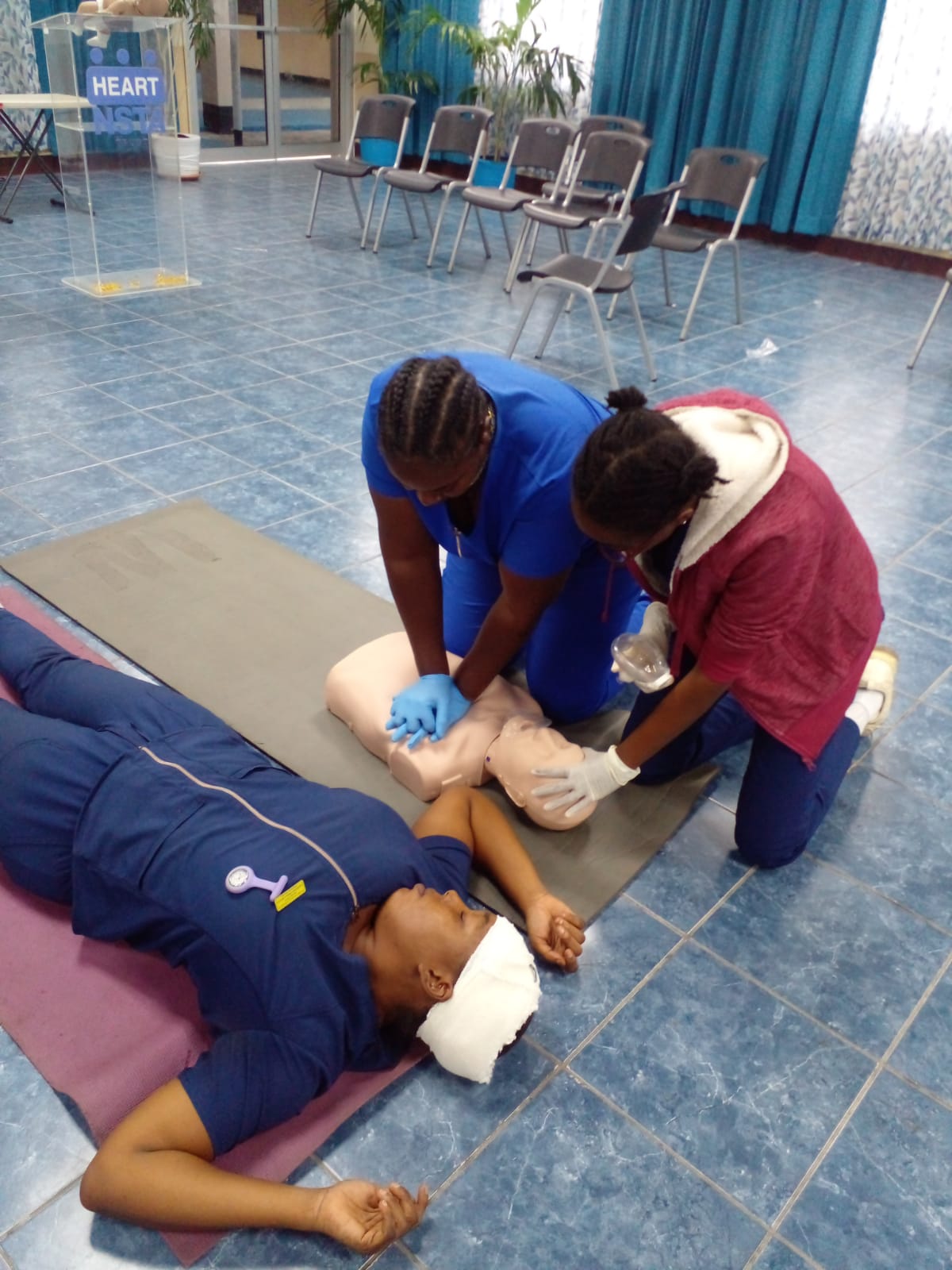
We run your team through mock emergencies, like a fire or a cardiac arrest, so they practise the sequence of actions rather than just reading about it.
How we work
- Hands-on practice on every skill
- Current protocols taught without shortcuts
- We bring all equipment and materials
- Questions answered after training ends
- Training matched to your real environment
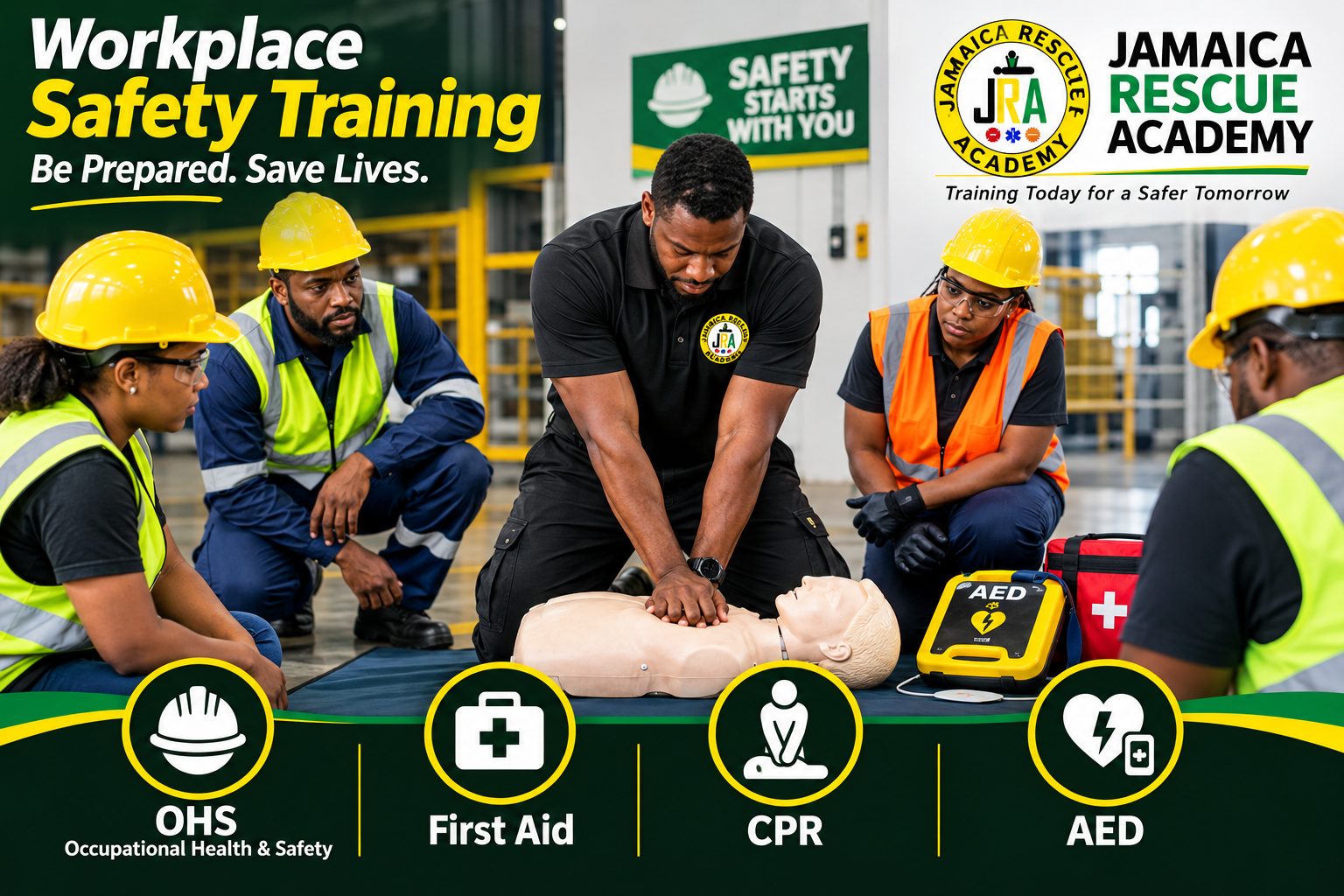
Request a training
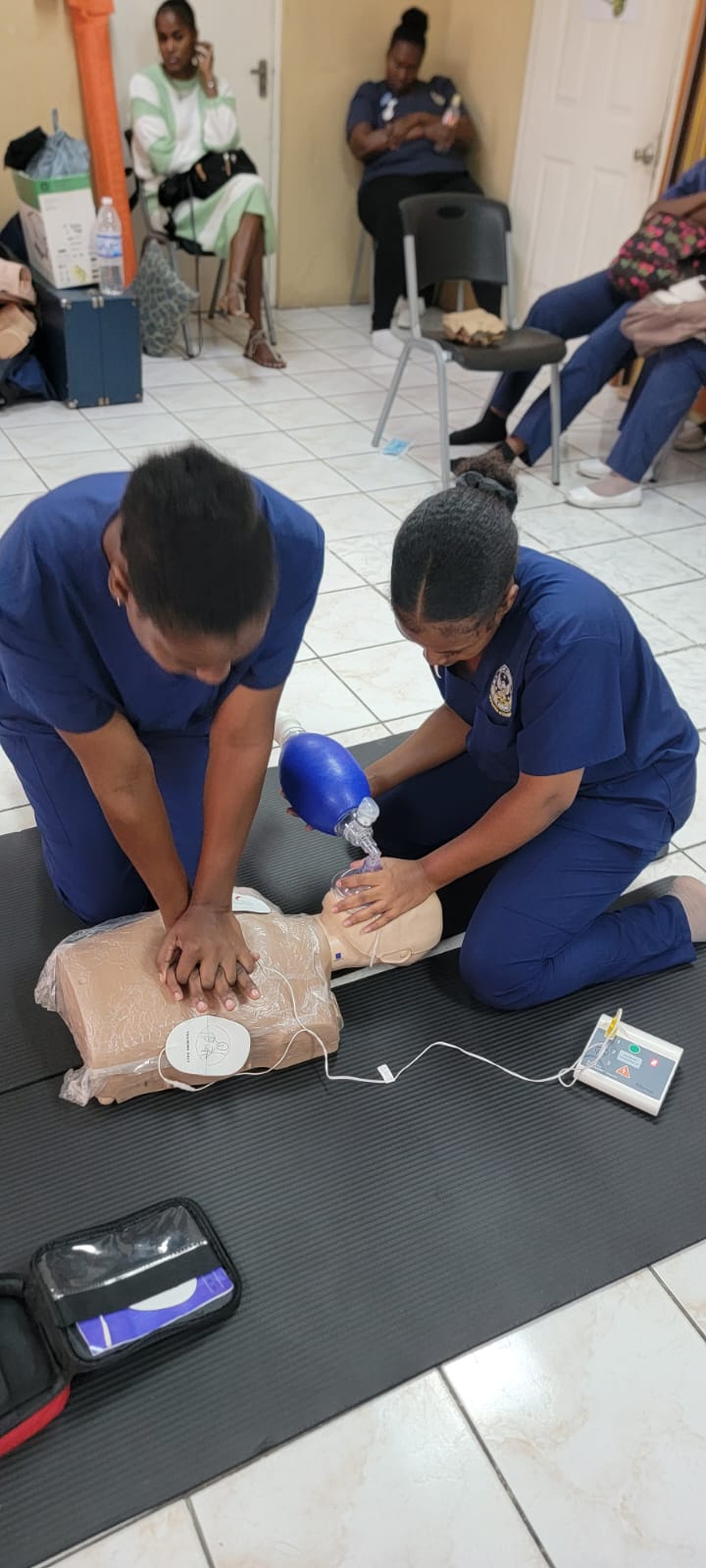
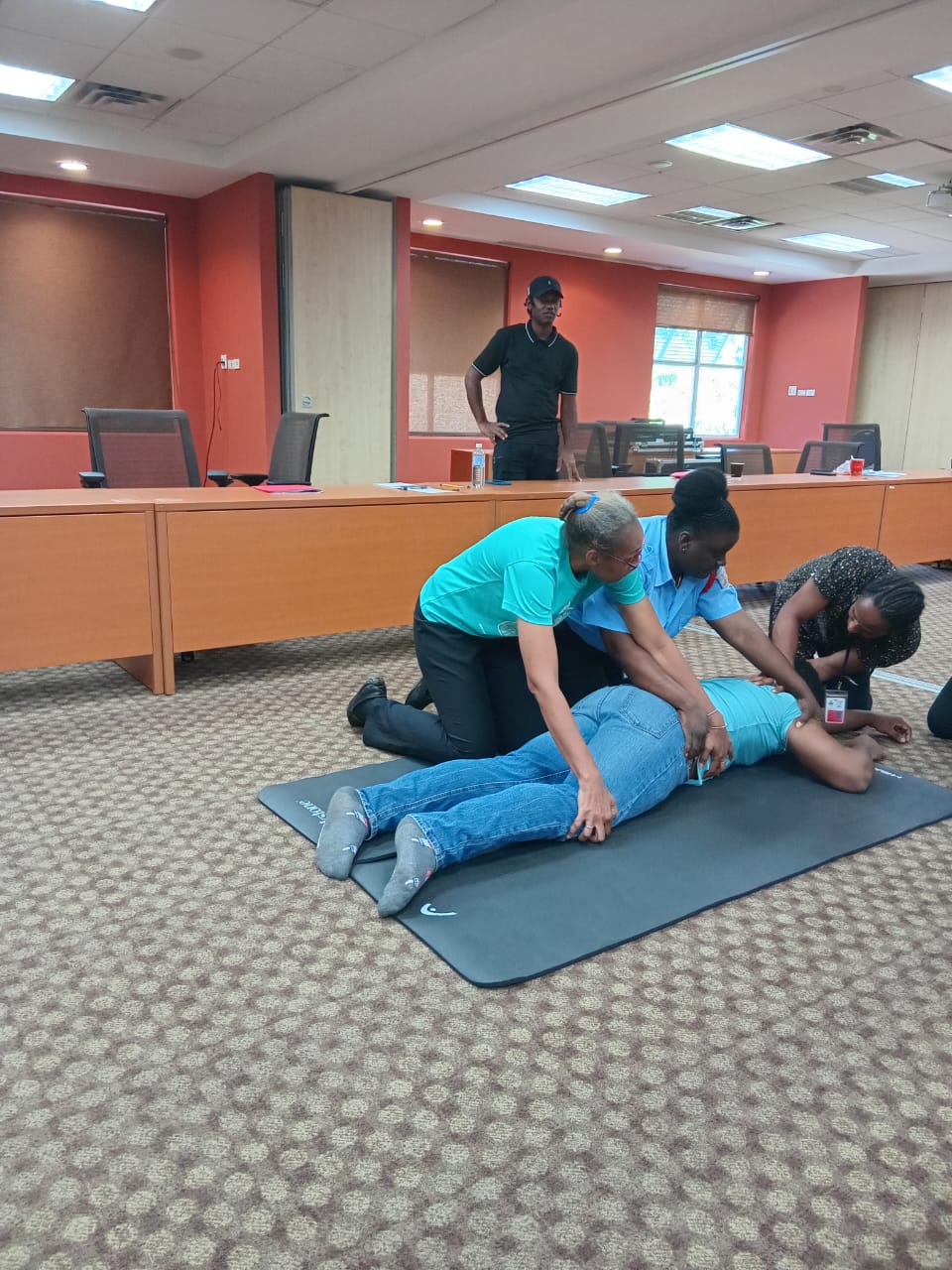
Explore Our Hands-On Training Programs and Real-World Class Experiences
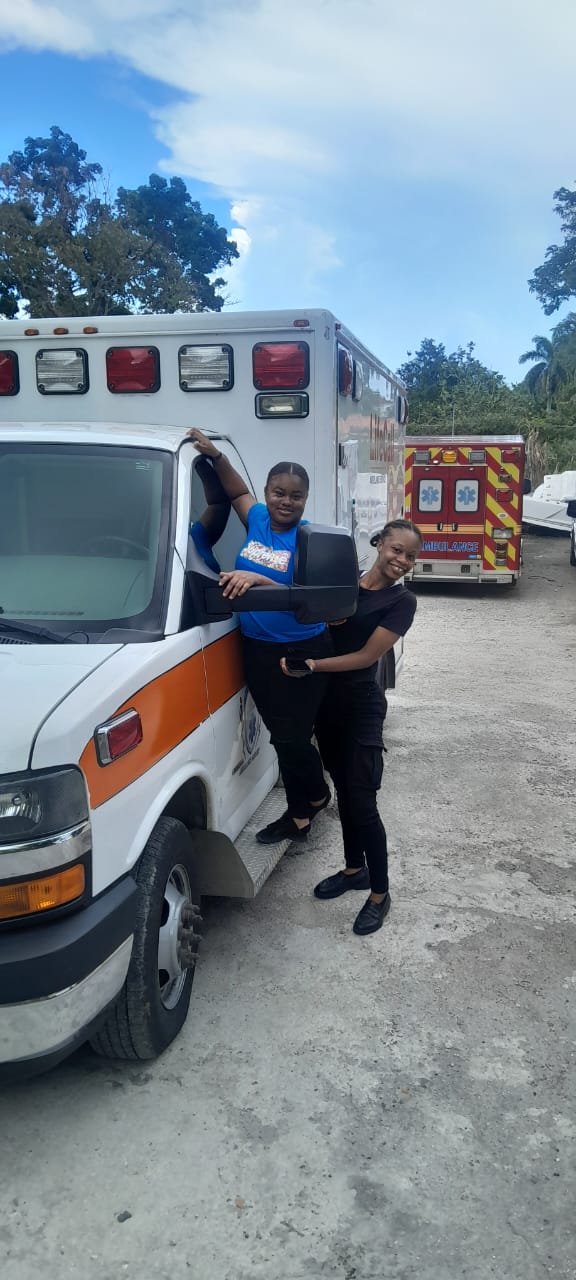
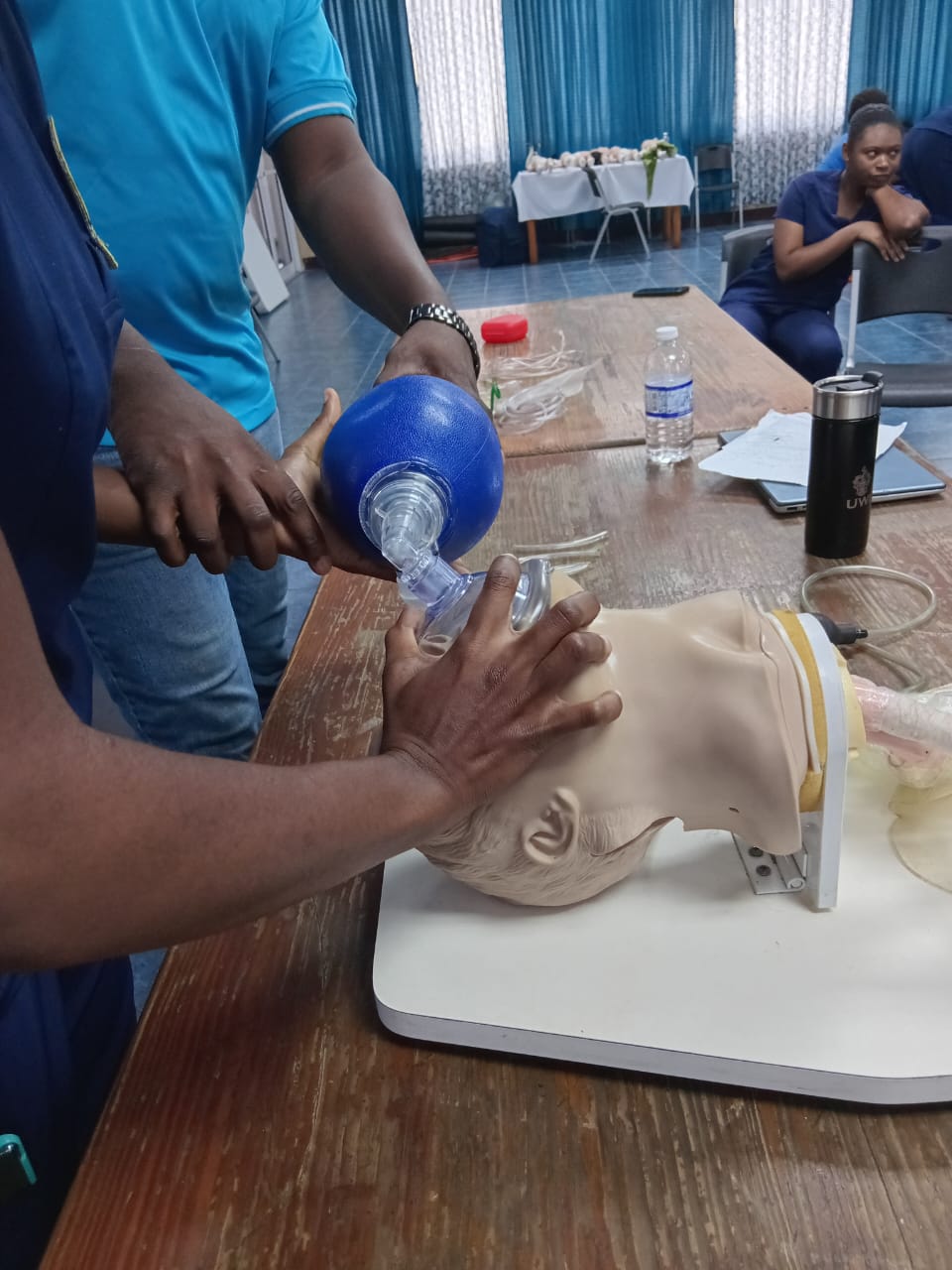
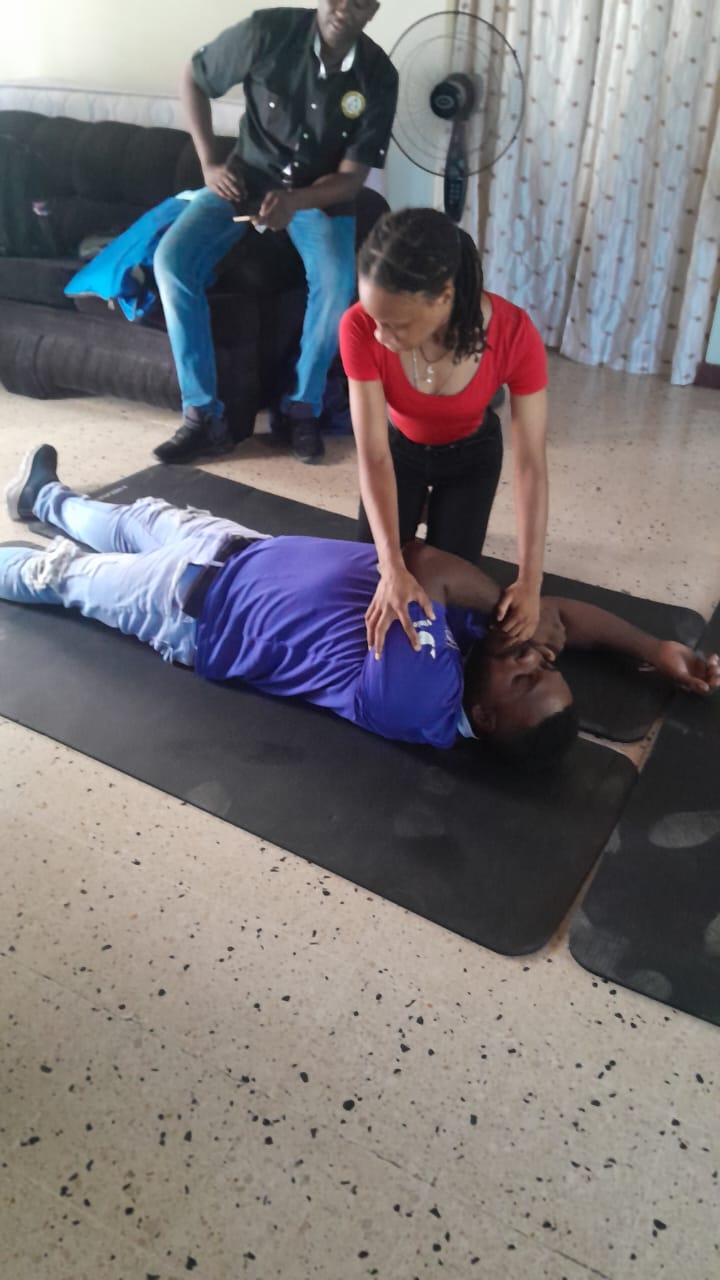
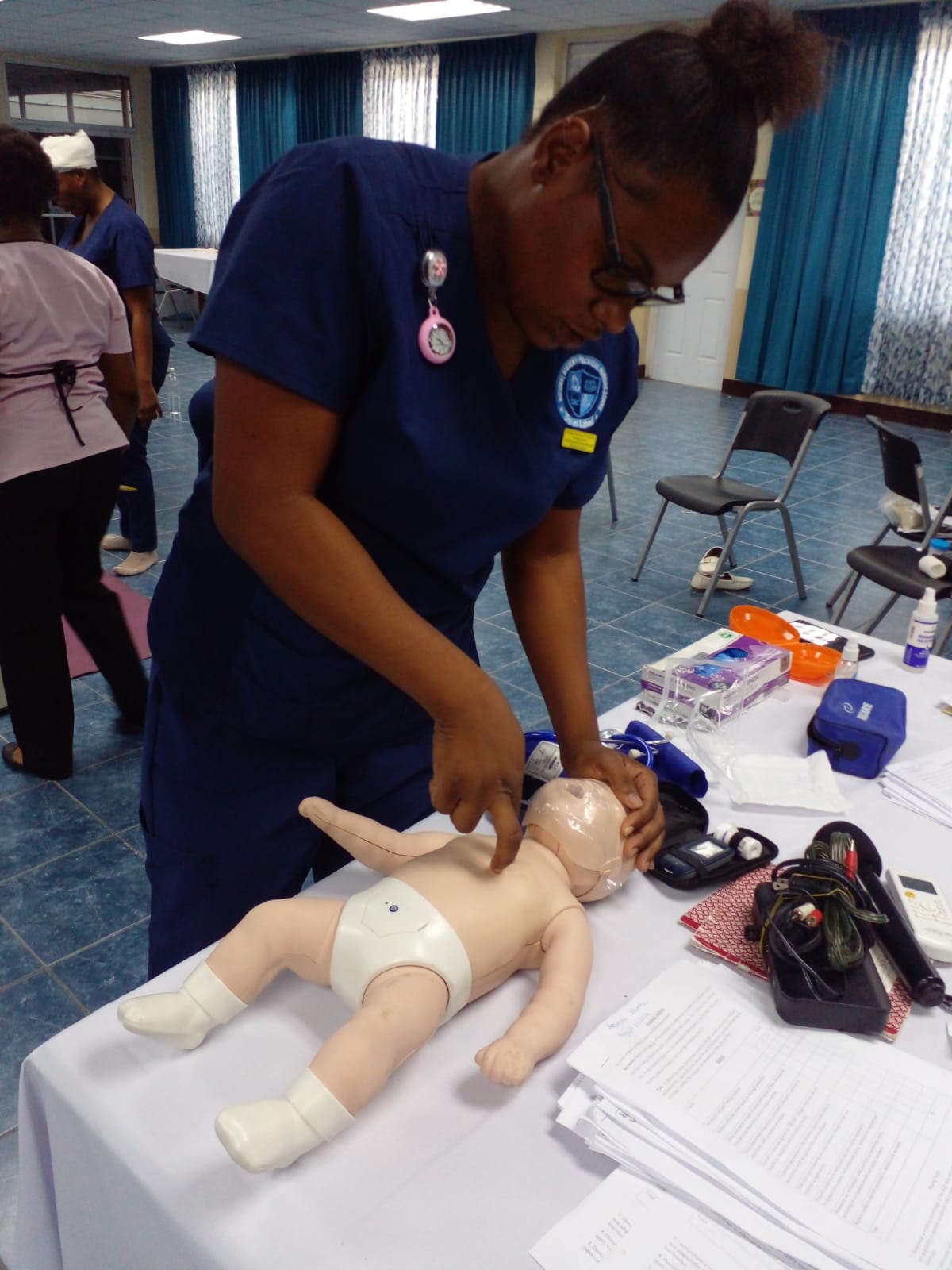
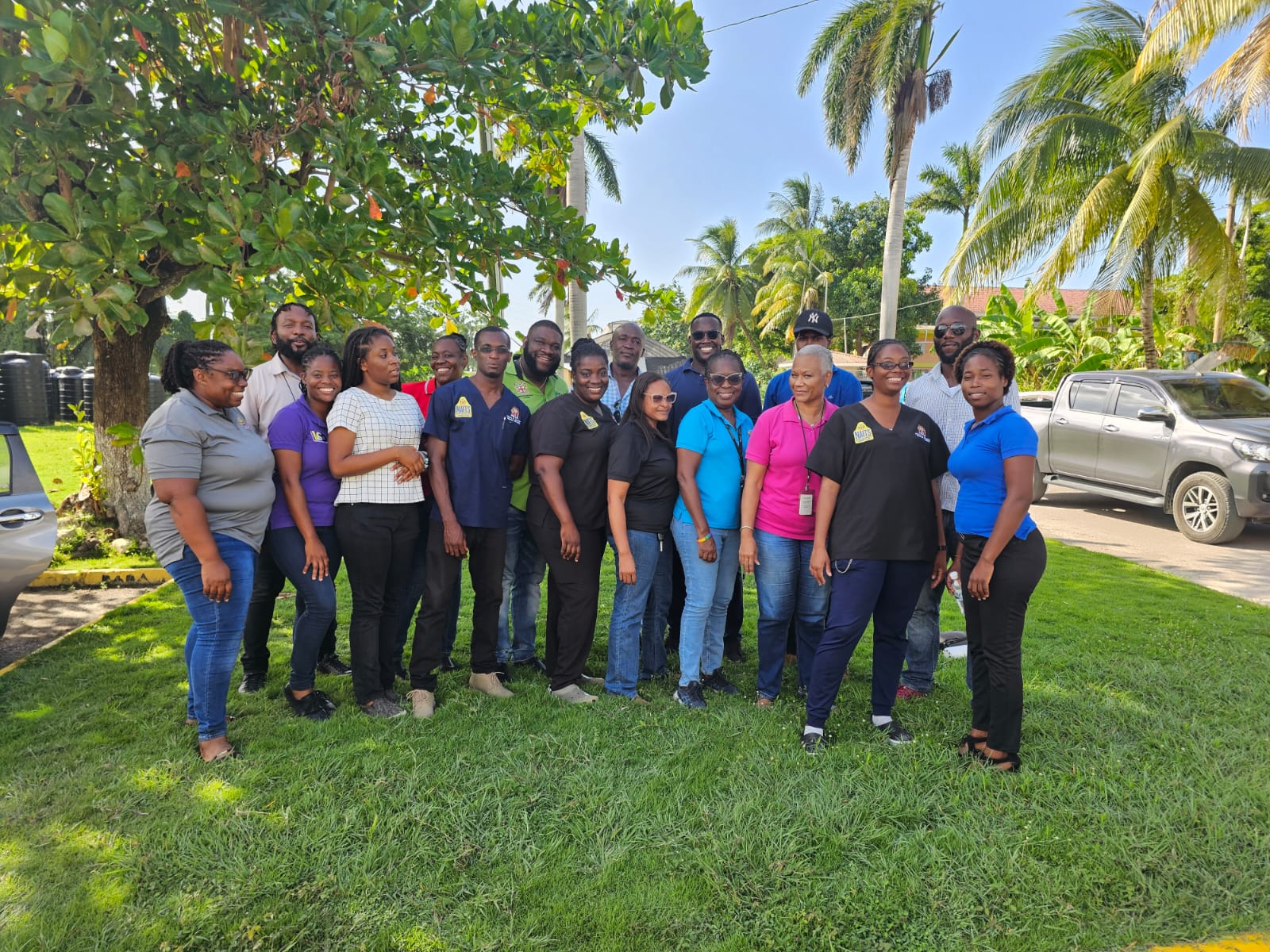
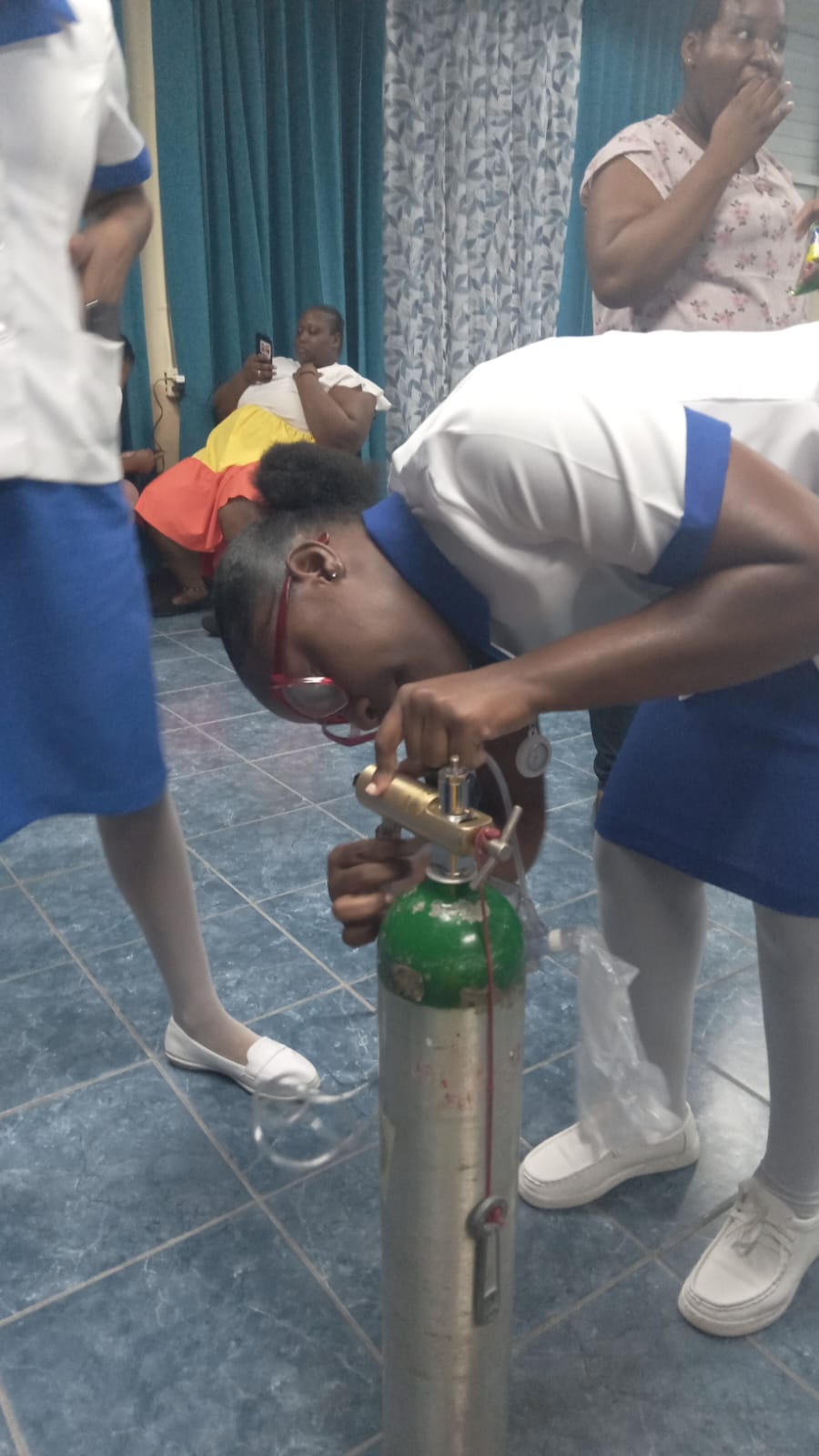
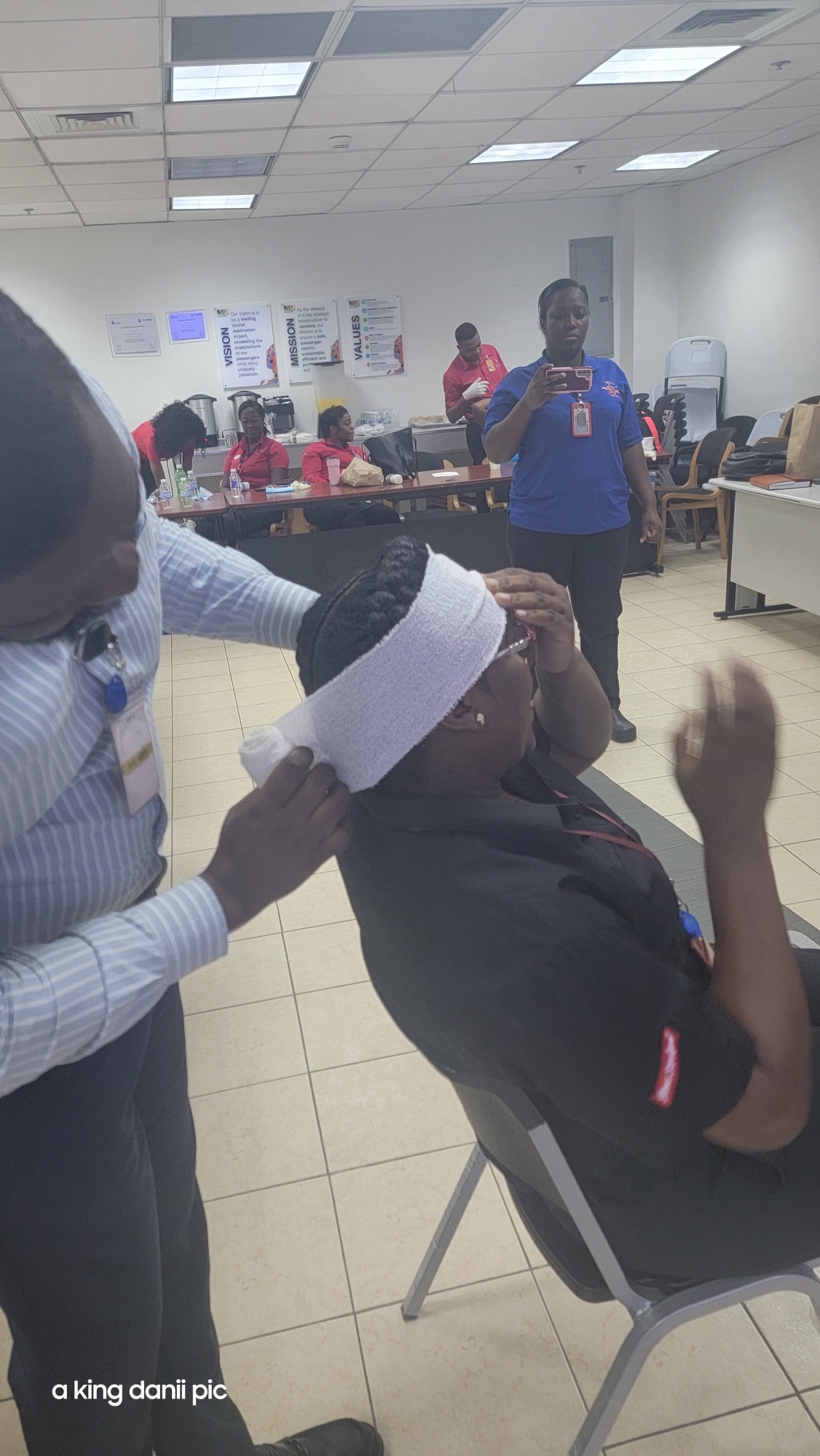
Explore JRA's professional training programmes through real classroom sessions, hands-on practical exercises and emergency simulations. Building skills, confidence and readiness to save lives.




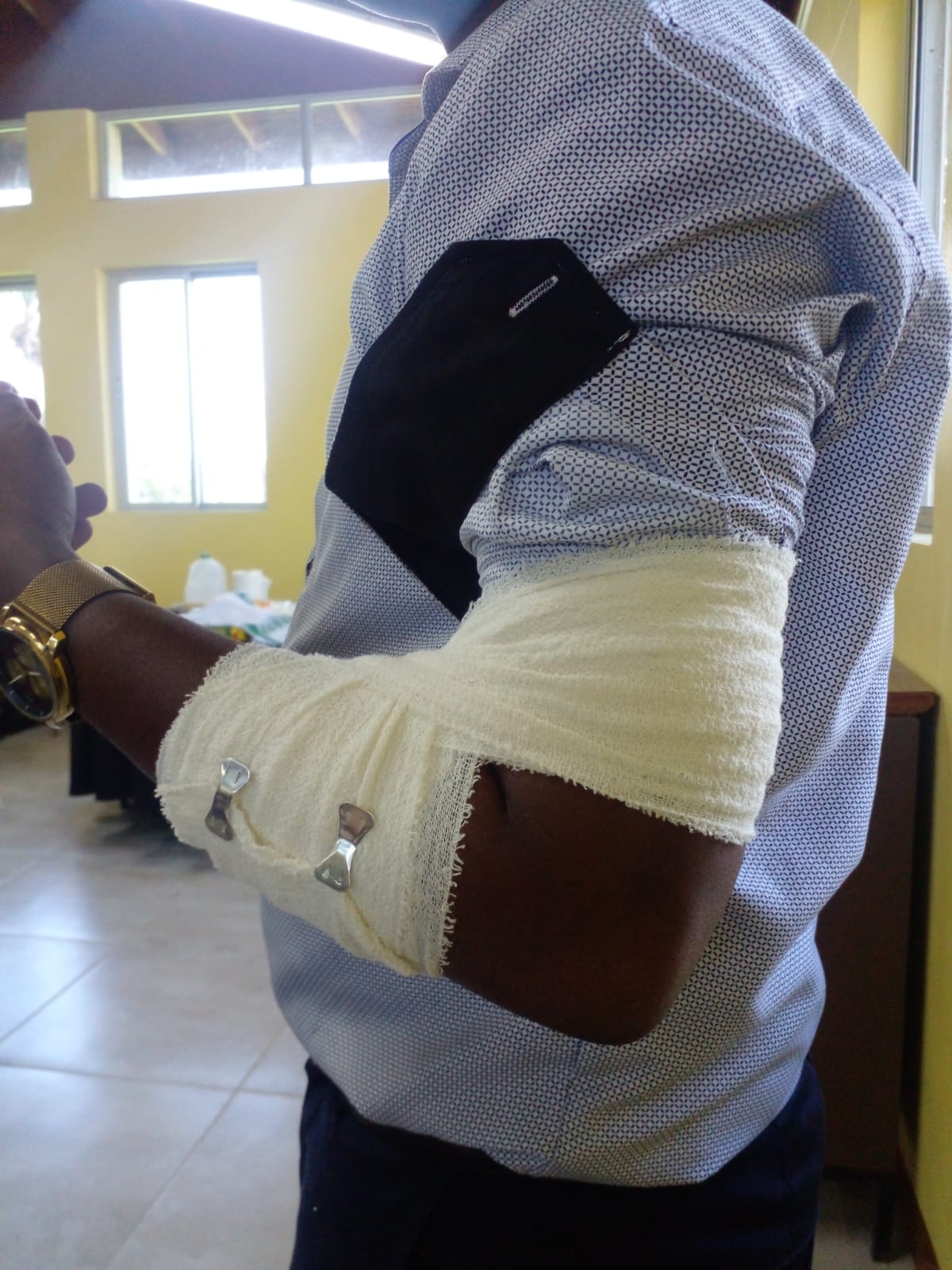



OSH 30-Hour General Industry, step by step
Lectures and discussion
Interactive lectures, guided discussions and case studies on OSHA General Industry standards and Jamaica's OSH requirements.
Practical workshops
Demonstrations and return demonstrations, fire safety simulations, emergency evacuation drills and role-playing.
Inspections and hazard assessments
Hazard identification exercises, safety audits and workplace inspections, linked to what MLSS inspectors look for.
Assessment
A written exam, a CPR skills test, AED and fire extinguisher assessments, evacuation procedures, creating an EAP and scenario-based simulations.
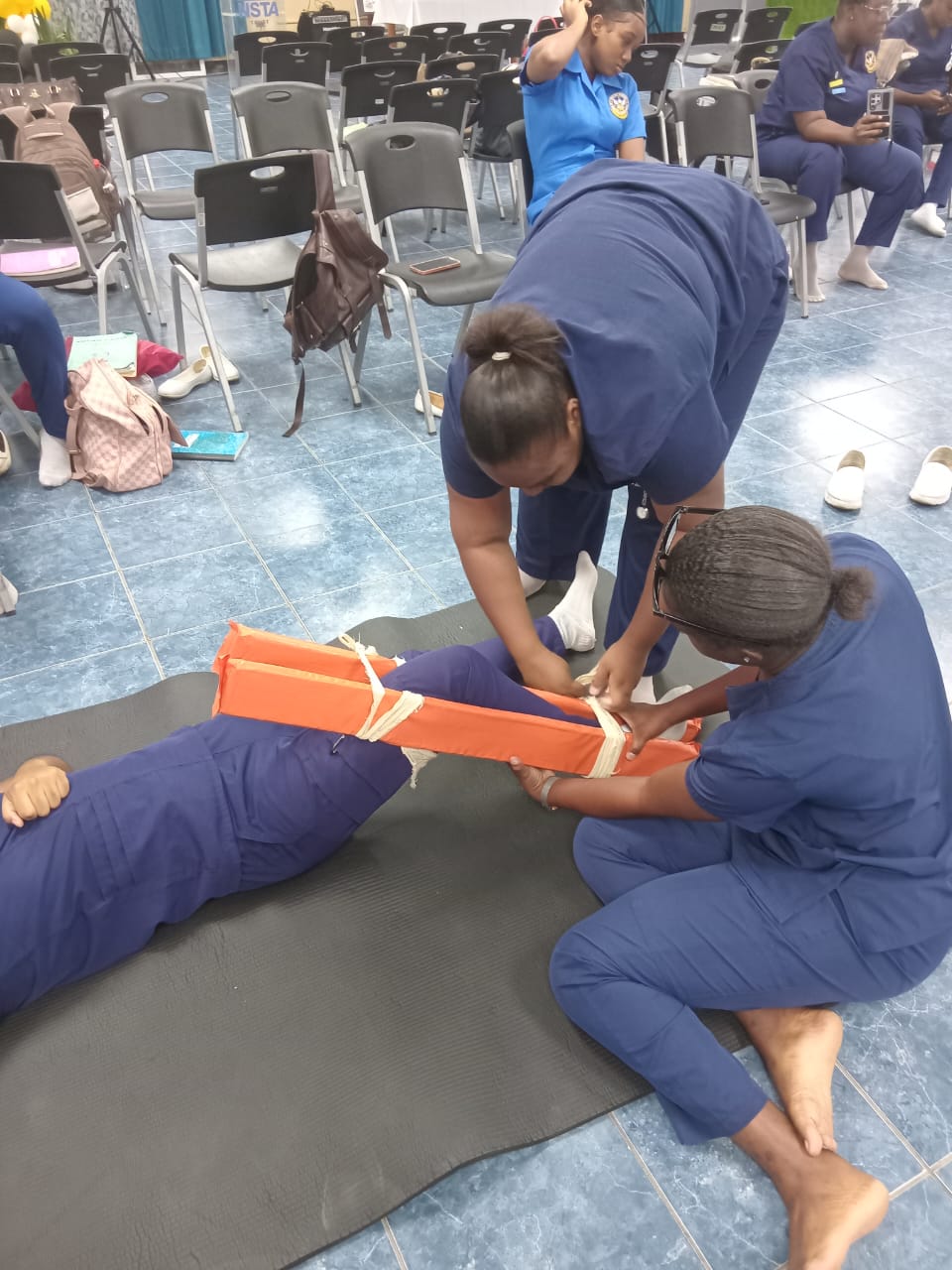
Why Jamaica Rescue Academy for OSH 30-Hour General Industry
Built around Jamaican law
Alongside OSHA standards, you learn the Occupational Safety and Health Act, an employer's duty of care under Jamaican law and the role of the MLSS Labour Inspectorate.
Hands-on learning
People remember what they do, not just what they hear. We have your team practise the techniques, from bandaging to calling for help, so they build muscle memory that will kick in during an emergency.
Plain language
We avoid jargon and medical terminology that can confuse people under pressure. The instructions are simple, clear, and easy to follow, so your staff can act quickly even if they are nervous.
Related services
View all training Jamaica's Tuition-Free EMT Training ProgramThe Emergency Medical Technician (EMT) Programme is a comprehensive and professionally structured training course designed to prepare participants to function effectively as first responders in both emergency medical and traumatic situations.View detailsIntegrated First Aid, Basic life support (BLS), Airway Management, & Oxygen Therapy TrainingThe Skills to Respond. The Knowledge to Save Lives.
Professional-level emergency response course that builds on First Aid and BLS foundation.View details
OSH 30-Hour General Industry FAQs
Get in touch about a course
Tell us about your group and what you want to learn. We will get back to you with a course plan and a date that works.