Jamaica's Tuition-Free EMT Training Program
Emergency Medical Technician (EMT) Training Program Build Your Skills. Gain Practical Experience. Prepare to Save Lives. The Jamaica Rescue Academy Limited (JRA) Emergency Medical Technician (EMT) Training Program is designed to prepare aspiring emergency medical professionals with the knowledge, practical skills, and field experience needed to pursue opportunities in emergency medical services (EMS) and prehospital emergency care.
5.0 stars on Google
From 1 Google review.
We come to you
Covering areas in Jamaica and the Caribbean.
Training at your workplace
We come to workplaces, schools and community centres across Jamaica.
About our EMT-Emergency Medical Technician Program
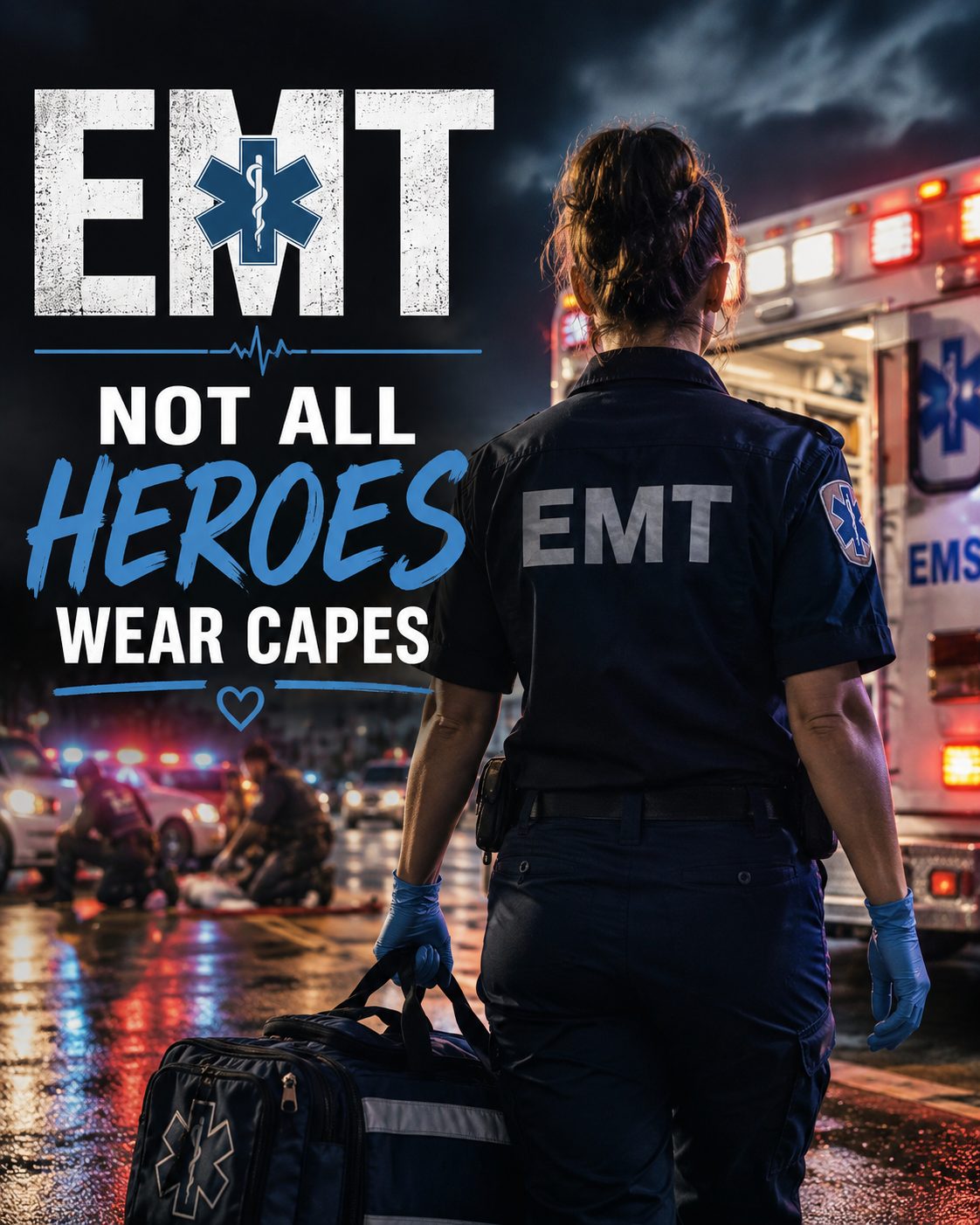
EMTs serve as the vital link between the scene of an emergency and the healthcare system, delivering immediate life-saving care that often determines patient survival and recovery outcomes. EMTs respond to a wide range of emergencies — including cardiac arrest, respiratory failure, diabetic emergencies, shock, hemorrhage, fractures, and other medical or trauma-related incidents. Through systematic assessment and evidence-based interventions, EMTs identify and manage life-threatening conditions affecting airway, breathing, and circulation (the ABCs of life support). Train to Respond. Prepare to Save Lives. Jamaica Rescue Academy offers a membership-based, tuition-free Emergency Medical Technician (EMT) education program designed to help participants develop the knowledge and practical skills needed for emergency medical response. The Jamaica Rescue Academy Limited (JRA) Emergency Medical Technician (EMT) Program prepares aspiring emergency medical professionals with the knowledge, practical skills, and field experience needed to pursue opportunities in emergency medical services (EMS). Through a structured combination of online instruction, hands-on practical training, clinical simulation, and supervised ambulance experience, students develop essential competencies in patient assessment, emergency medical care, trauma management, resuscitation, and ambulance operations. Based in Jamaica, JRA is committed to strengthening emergency response capabilities by developing knowledgeable, skilled, and professionally prepared responders.
Programme Duration and Structure The EMT Programme is delivered over a period of six (6) months, blending theoretical instruction, skills lab practice, and supervised field experience. • Classroom & Practical Sessions: 288 hours (theory and skills laboratory) • Online Sessions • Face-To-Face Sessions • Hospital Clinical Experience: Minimum of 32 hours in an emergency or clinical setting • Ambulance Ride-Along Experience: Minimum of 200 hours with a licensed ambulance service • Total Programme Hours: At least 520 hours Throughout the course, students are evaluated through written exams, practical skills assessments, and supervised field performance. Upon completion, graduates will be prepared to sit for EMT certification examinations and to perform competently in both public and private emergency medical service systems.
Learning Outcomes Upon successful completion of this program, participants will be able to: 1. Demonstrate proficiency in patient assessment, airway management, bleeding control, CPR, AED use, and basic life support procedures. 2. Apply knowledge of anatomy, physiology, and pathophysiology to assess and manage patients in medical and trauma emergencies. 3. Operate within the legal and ethical parameters of EMS practice, maintaining patient confidentiality, professionalism, and respect. 4. Perform safe lifting, moving, and patient transport techniques in accordance with standard EMS procedures. 5. Communicate effectively with patients, team members, dispatchers, and hospital personnel. 6. Function as part of a coordinated emergency response team in prehospital, interfacility, and disaster environments.
Admission and Program Requirements Applicants must complete JRA's admissions process, meet the requirements for their cohort, participate in scheduled classes and practical sessions, pass the required assessments, and complete the required field and clinical learning hours. The program is offered on a tuition-free basis under applicable cohort terms. JRA membership, textbooks, and other participation-related expenses may apply. Contact JRA for current admission requirements and fees.
Real Practice
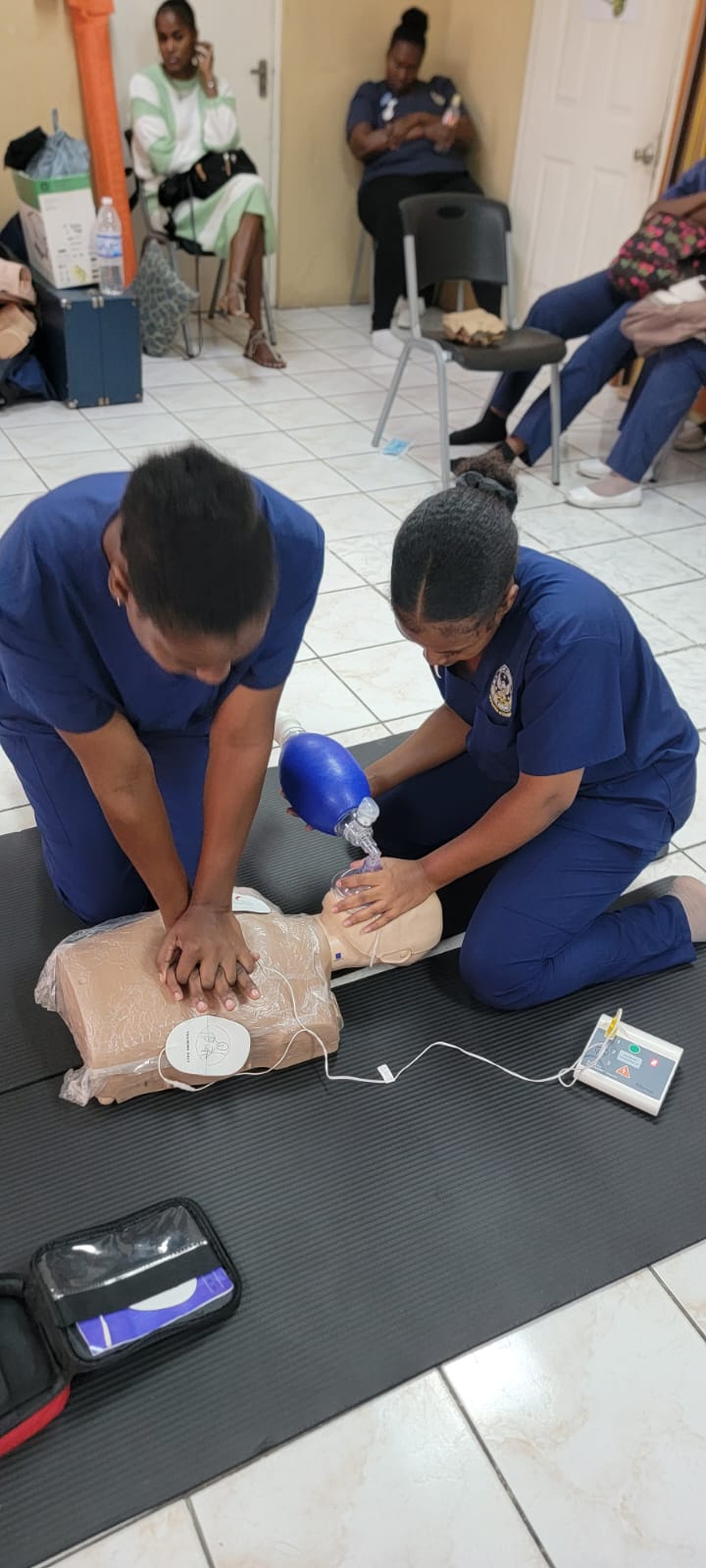
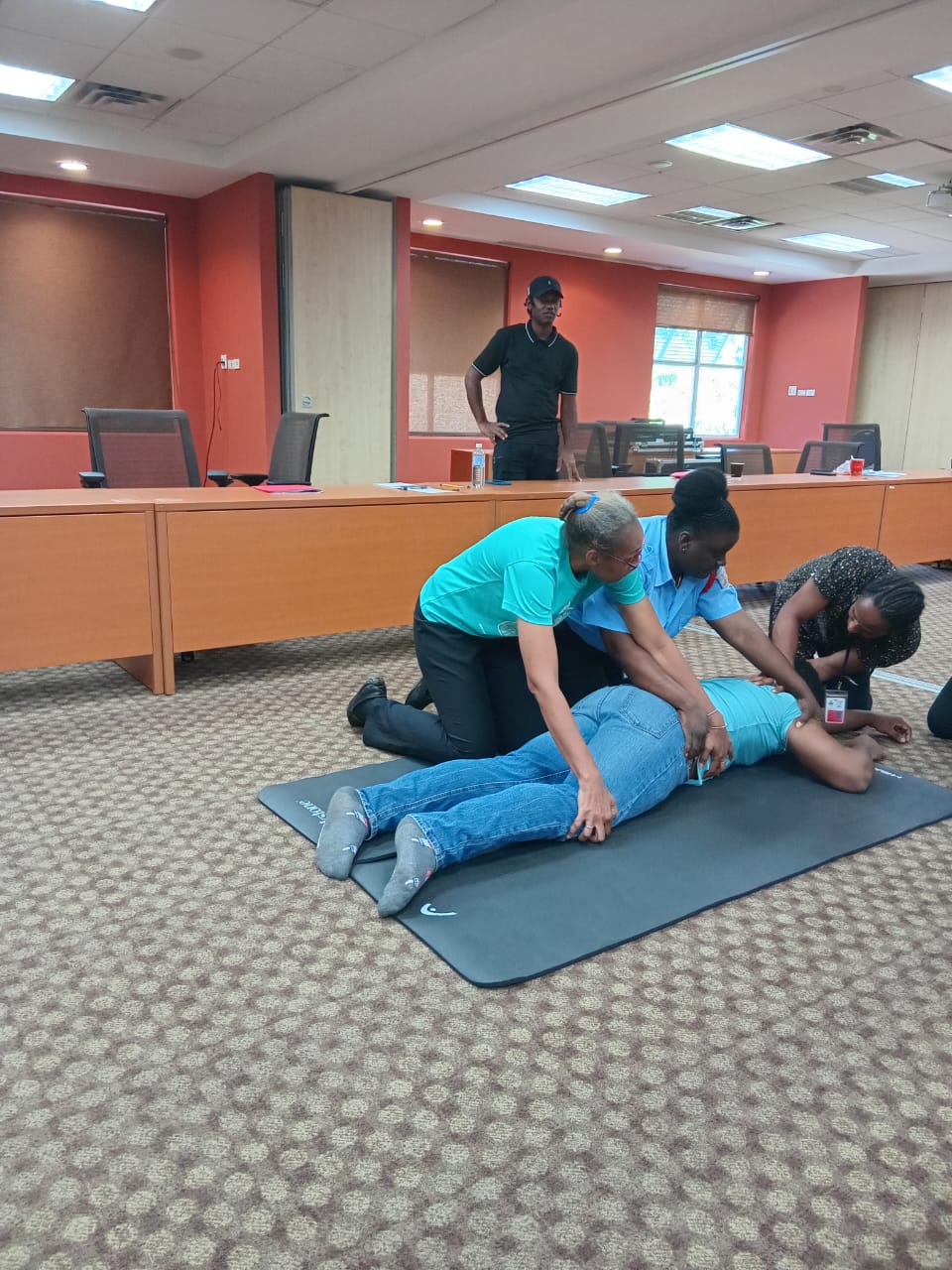
Build hands-on skills through repetition, guided practice and constructive feedback until you can perform essential techniques with greater confidence.
Practical Emergency Skills
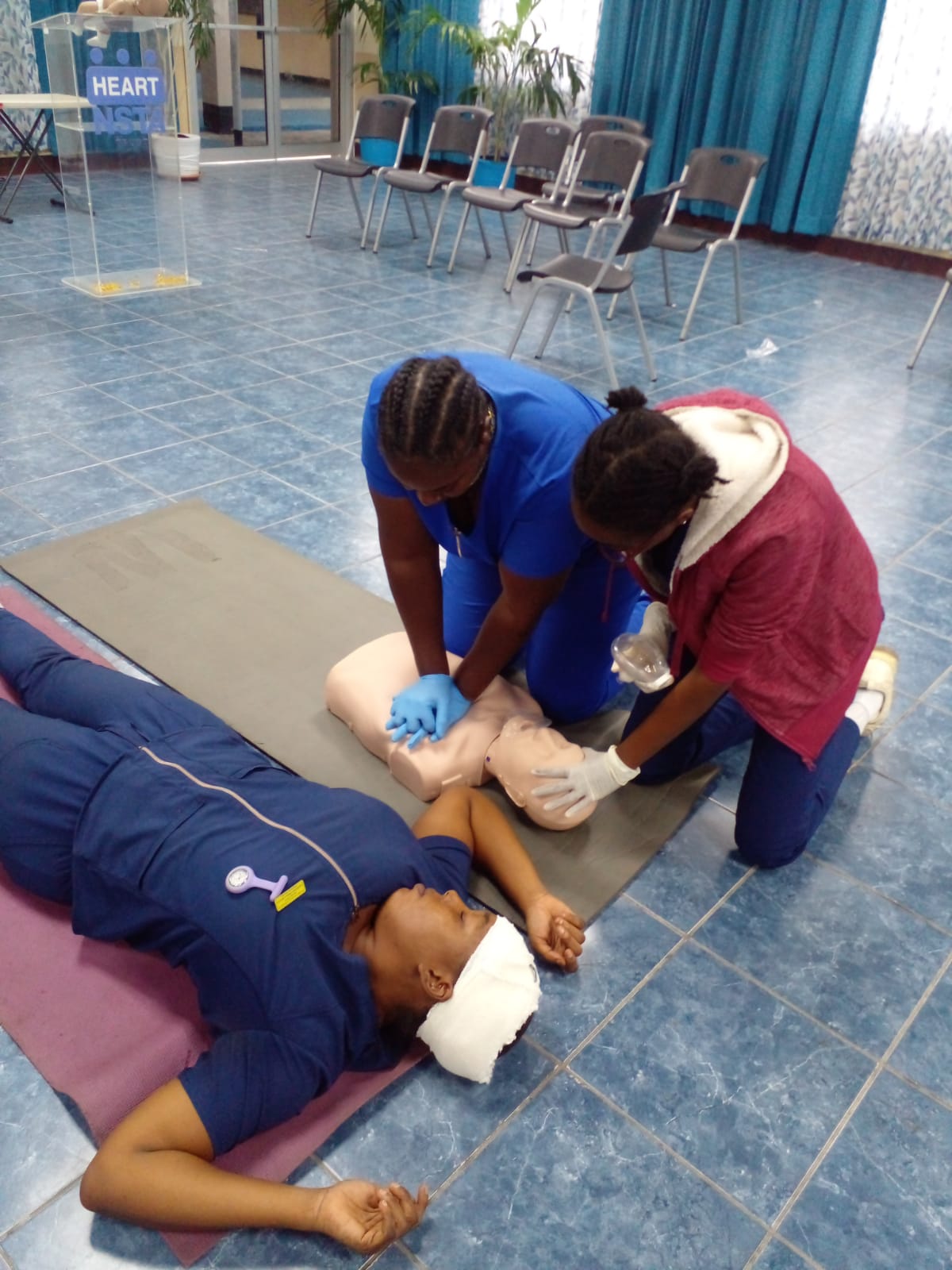
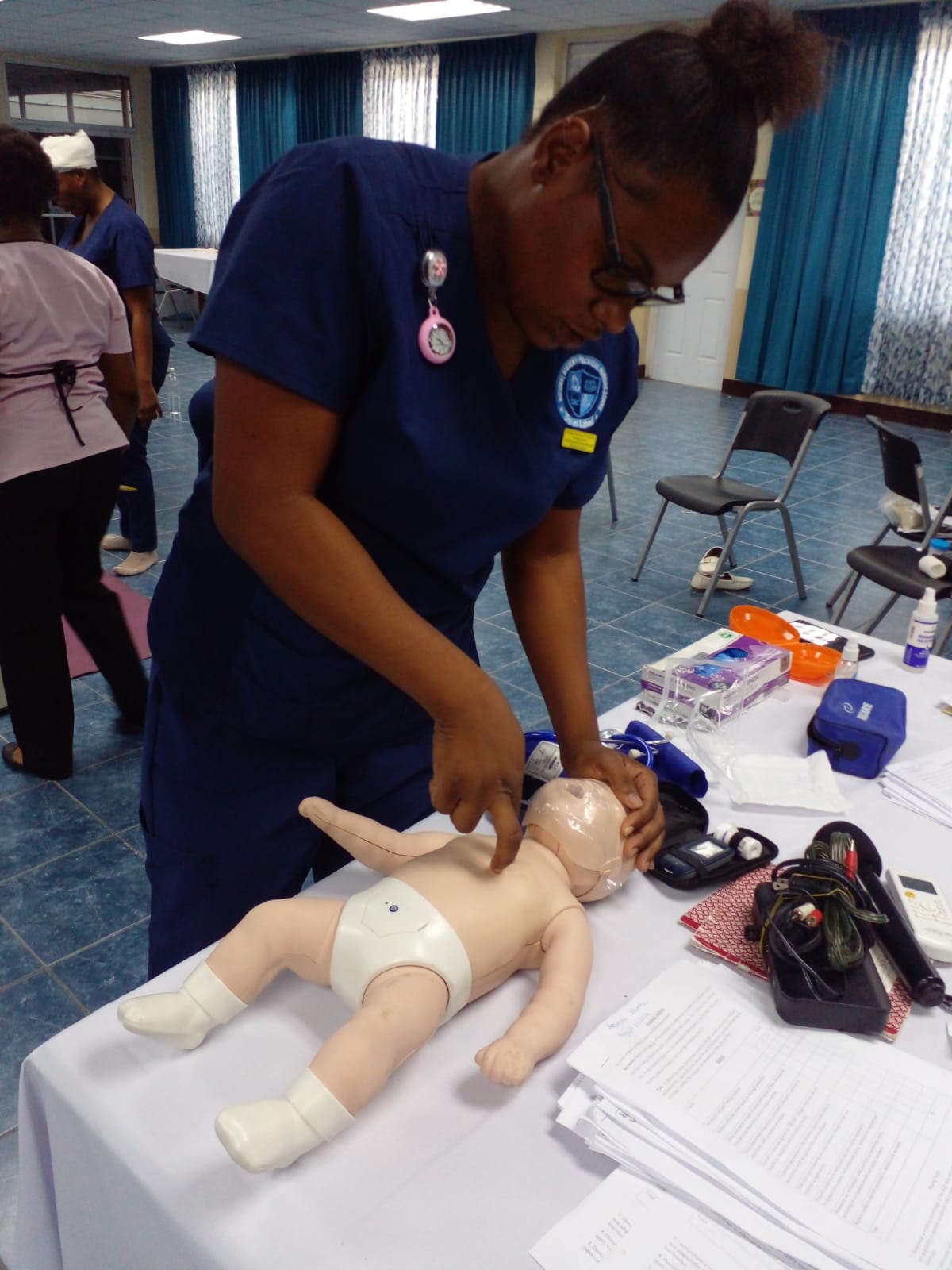
Practice patient assessment, bleeding control, airway management, CPR, AED use, and other essential emergency care techniques.
How we work
- Hands-on practice on every skill
- Current protocols taught without shortcuts
- We bring all equipment and materials
- Questions answered after training ends
- Training matched to your real environment
Request a training
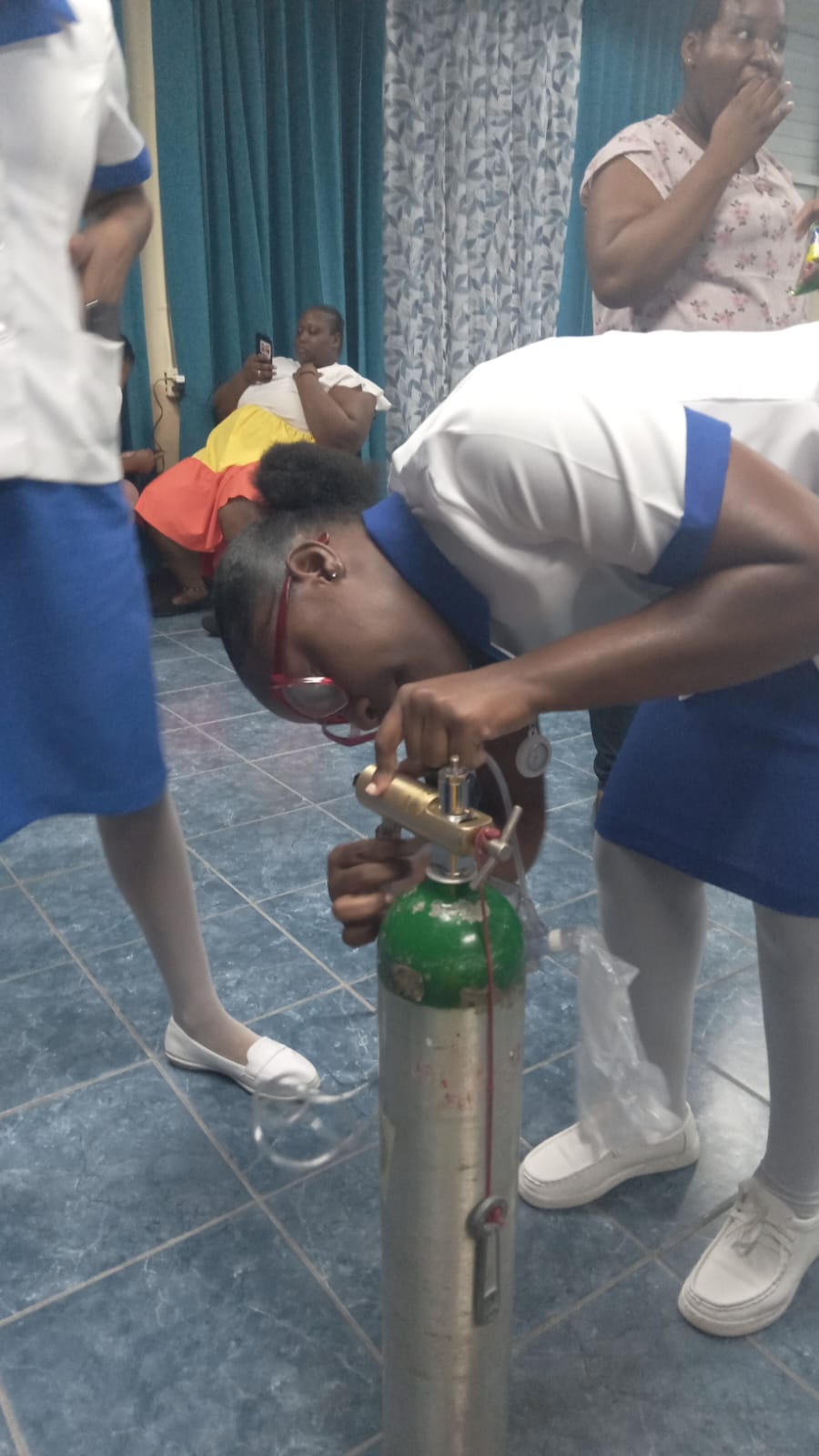
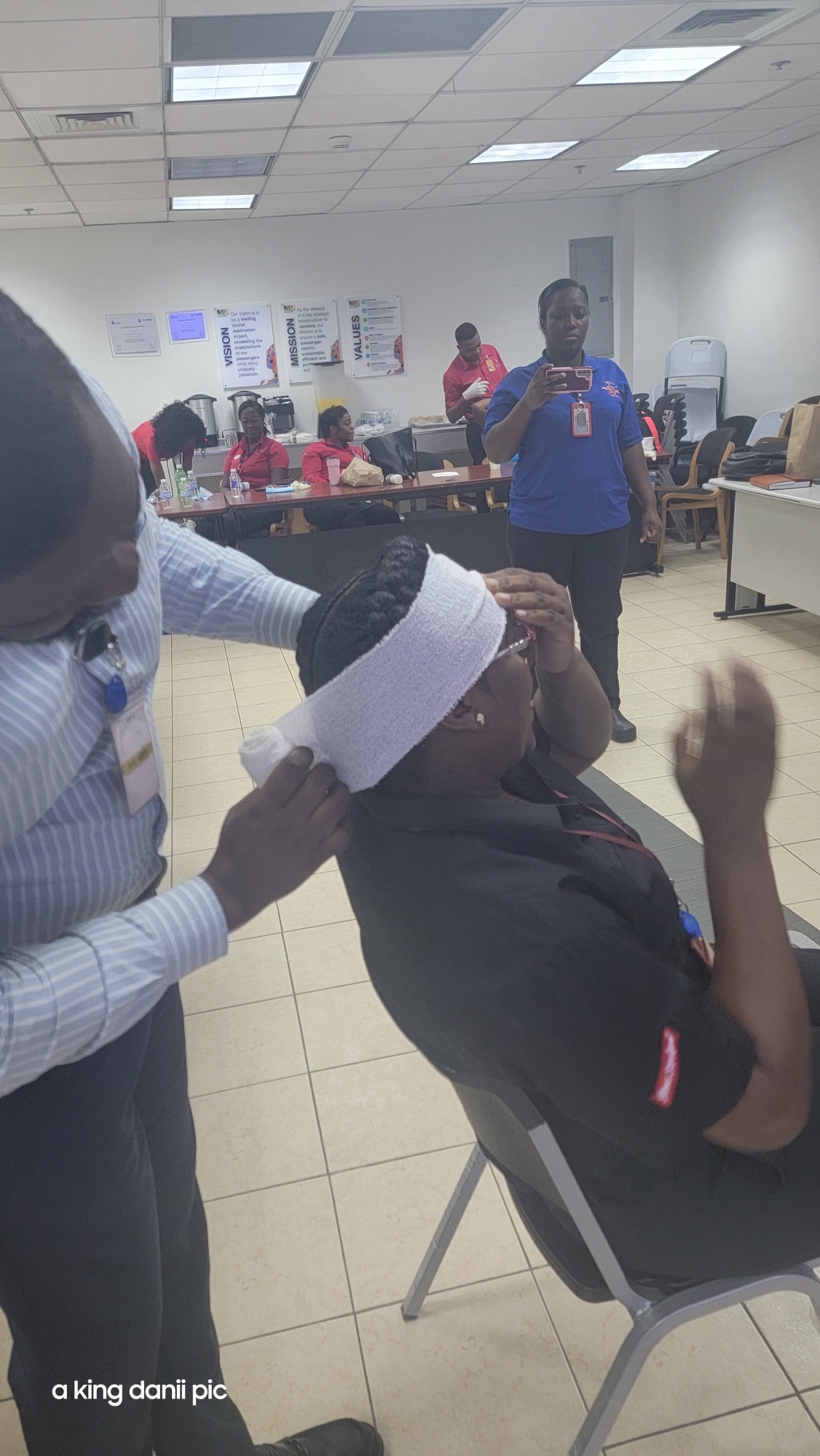
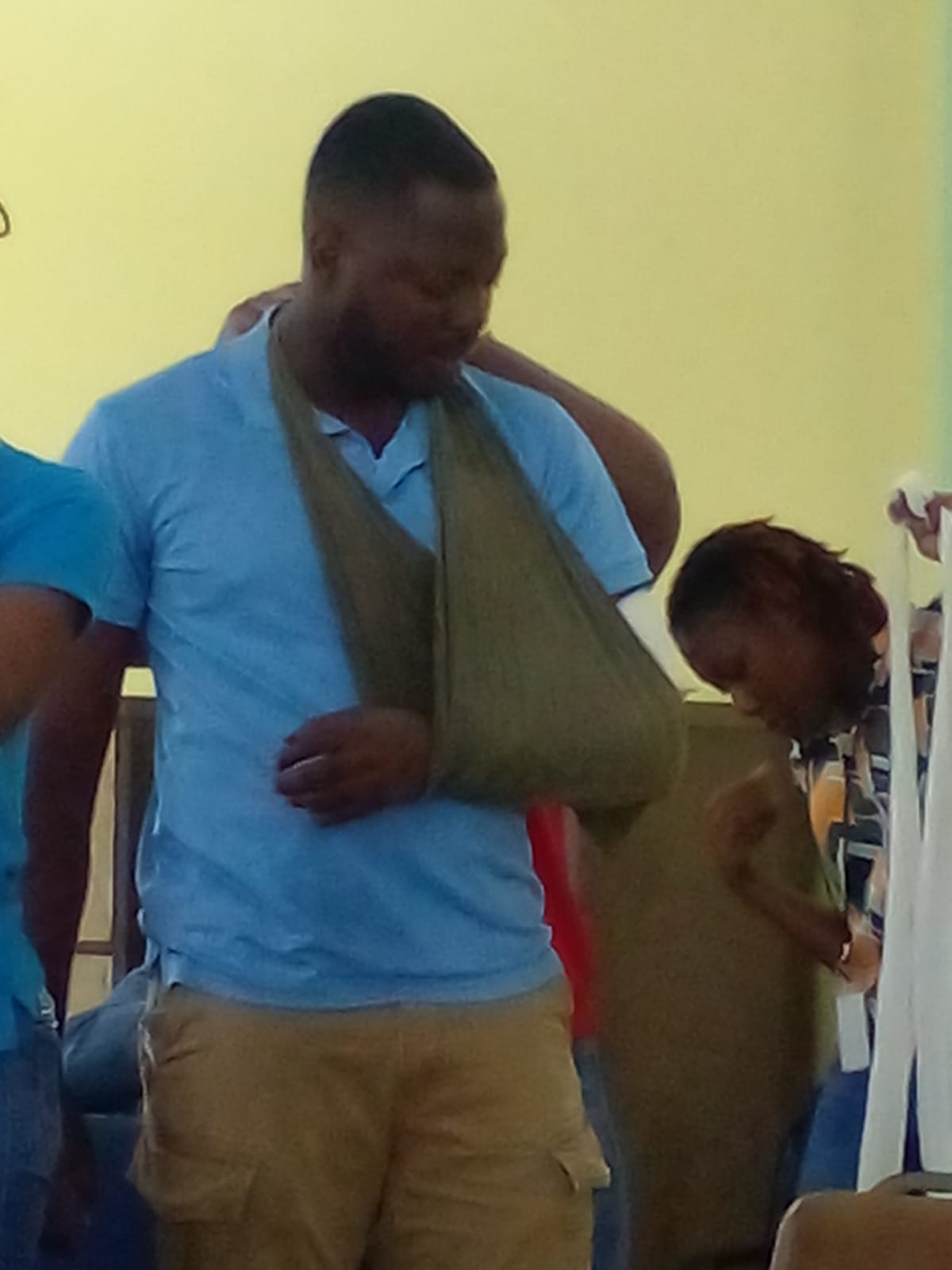
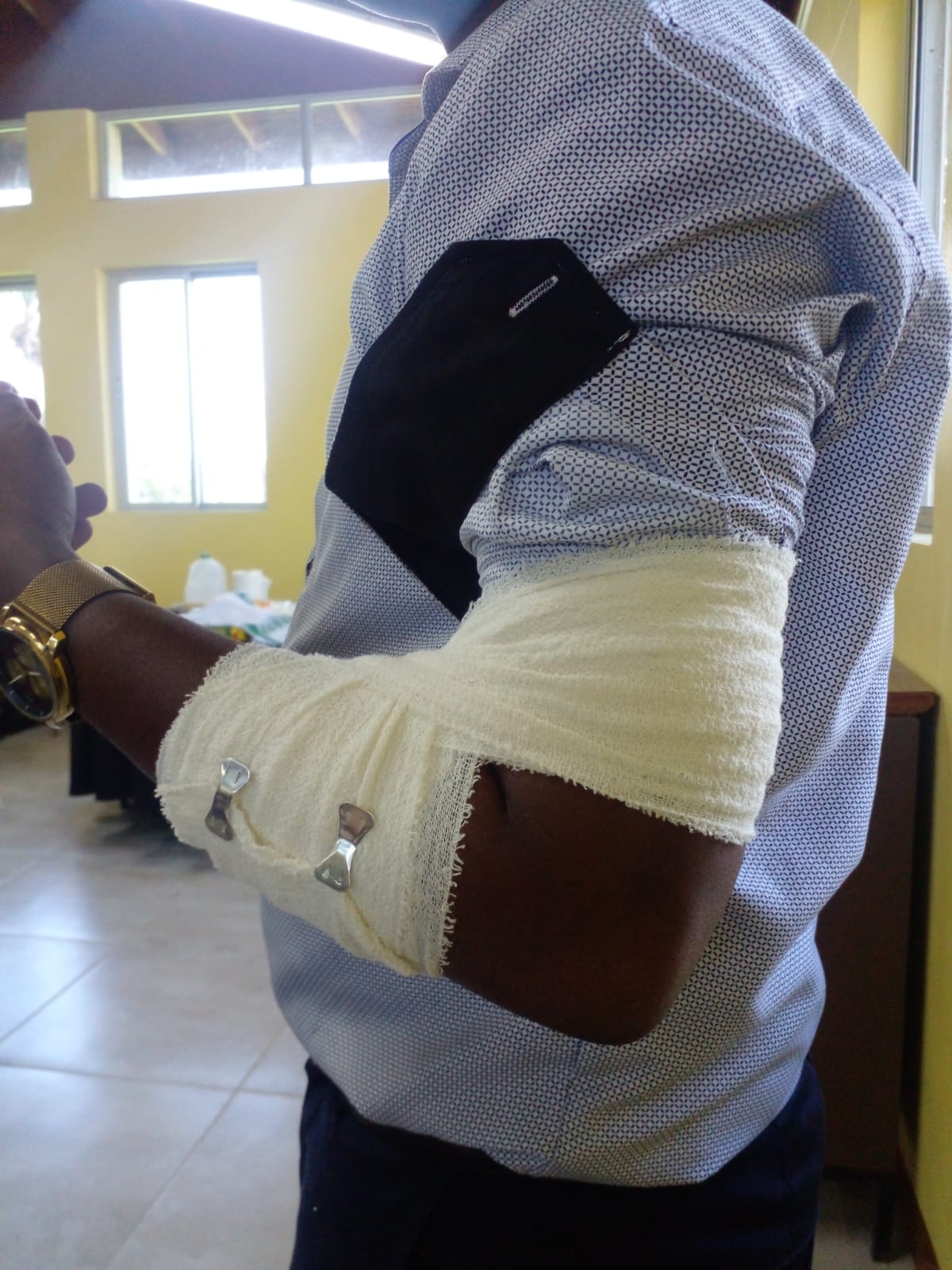
Explore Our Hands-On Training Programs and Real-World Class Experiences
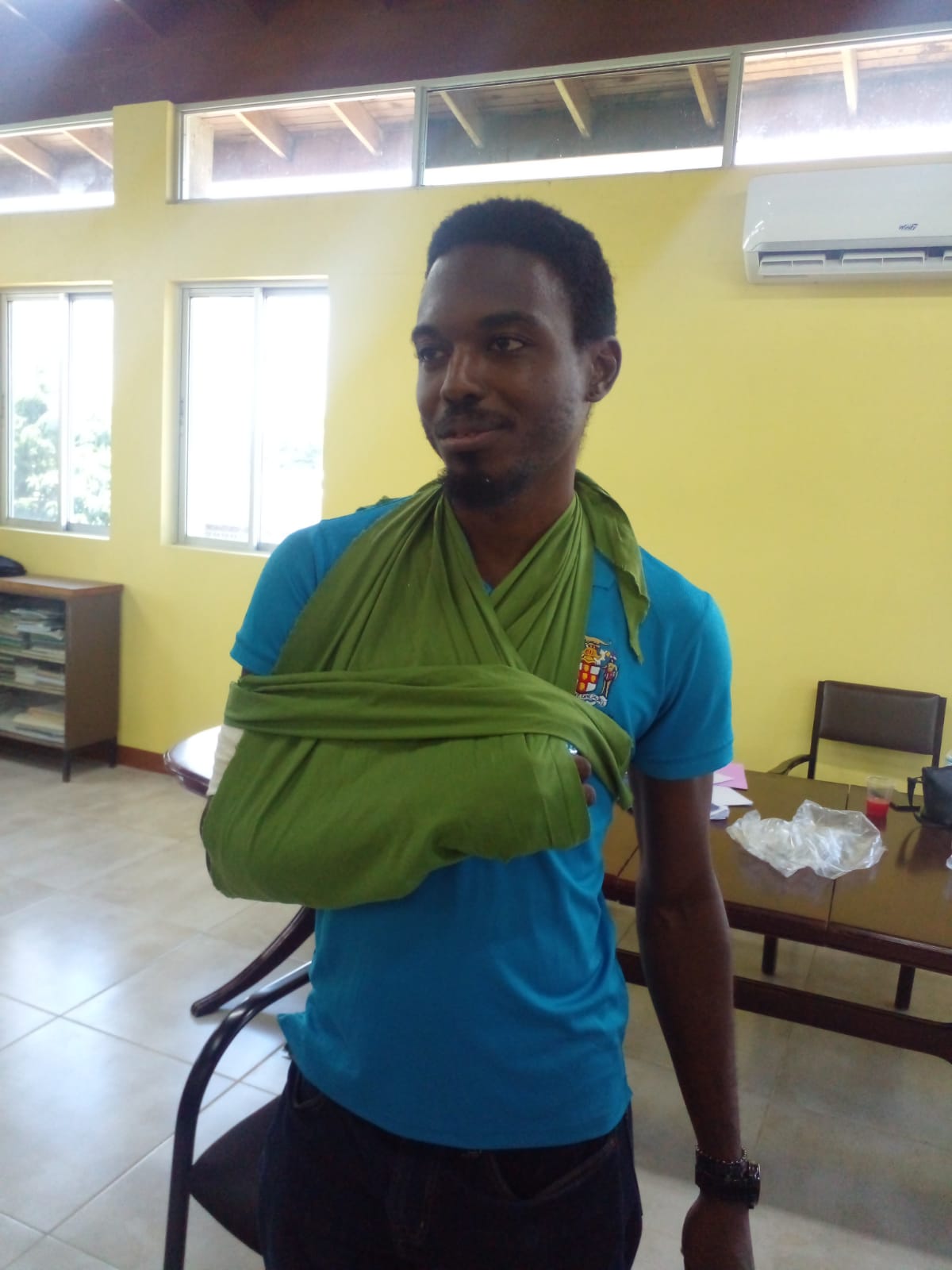
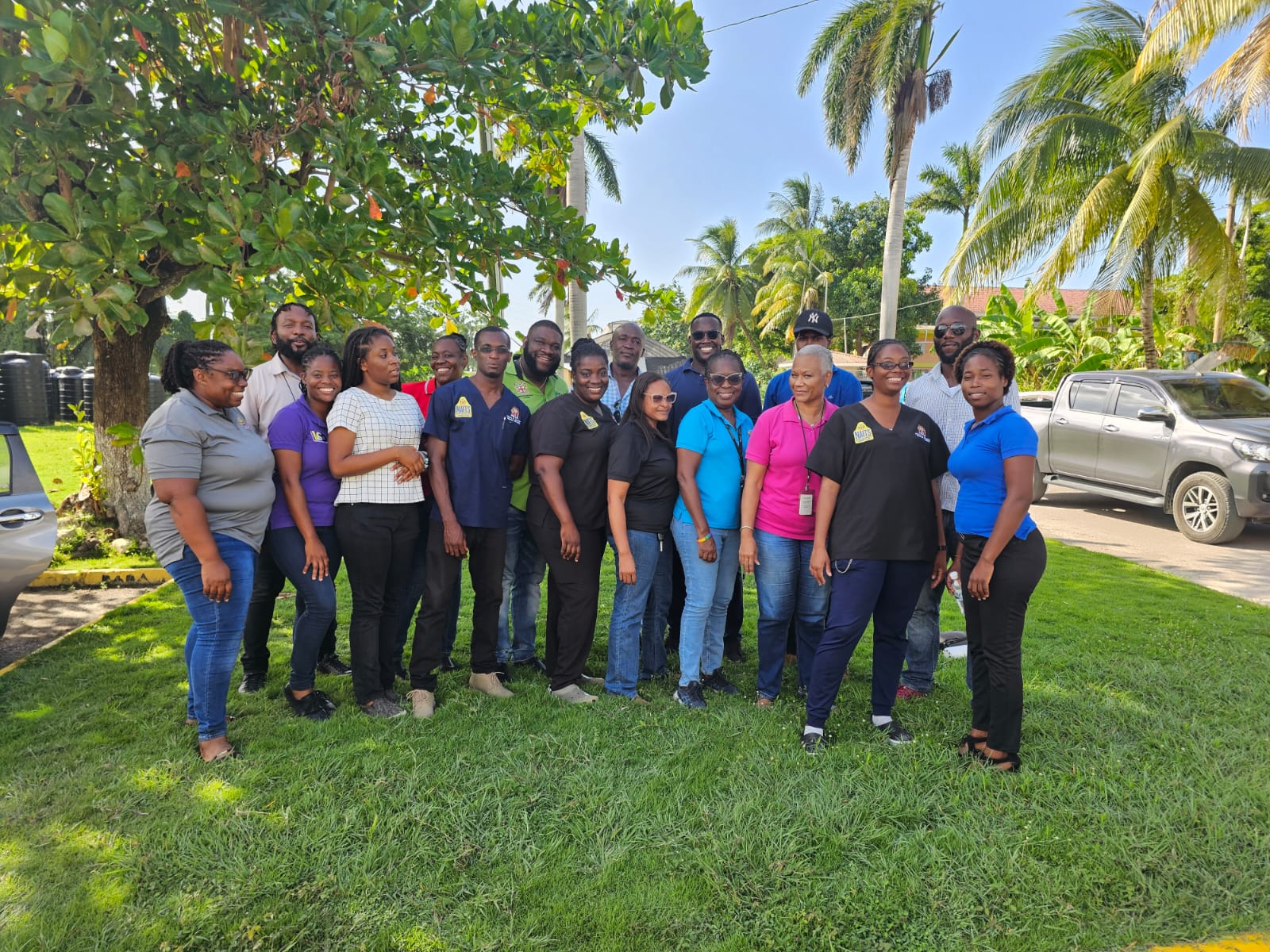
Explore JRA's professional training programmes through real classroom sessions, hands-on practical exercises and emergency simulations. Building skills, confidence and readiness to save lives.
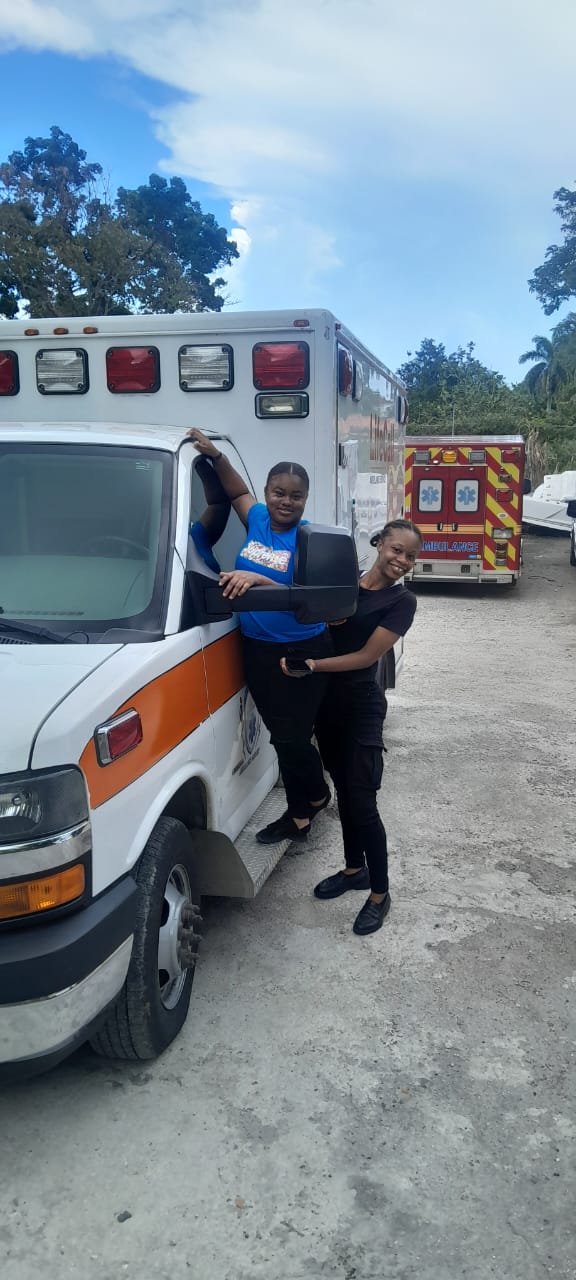
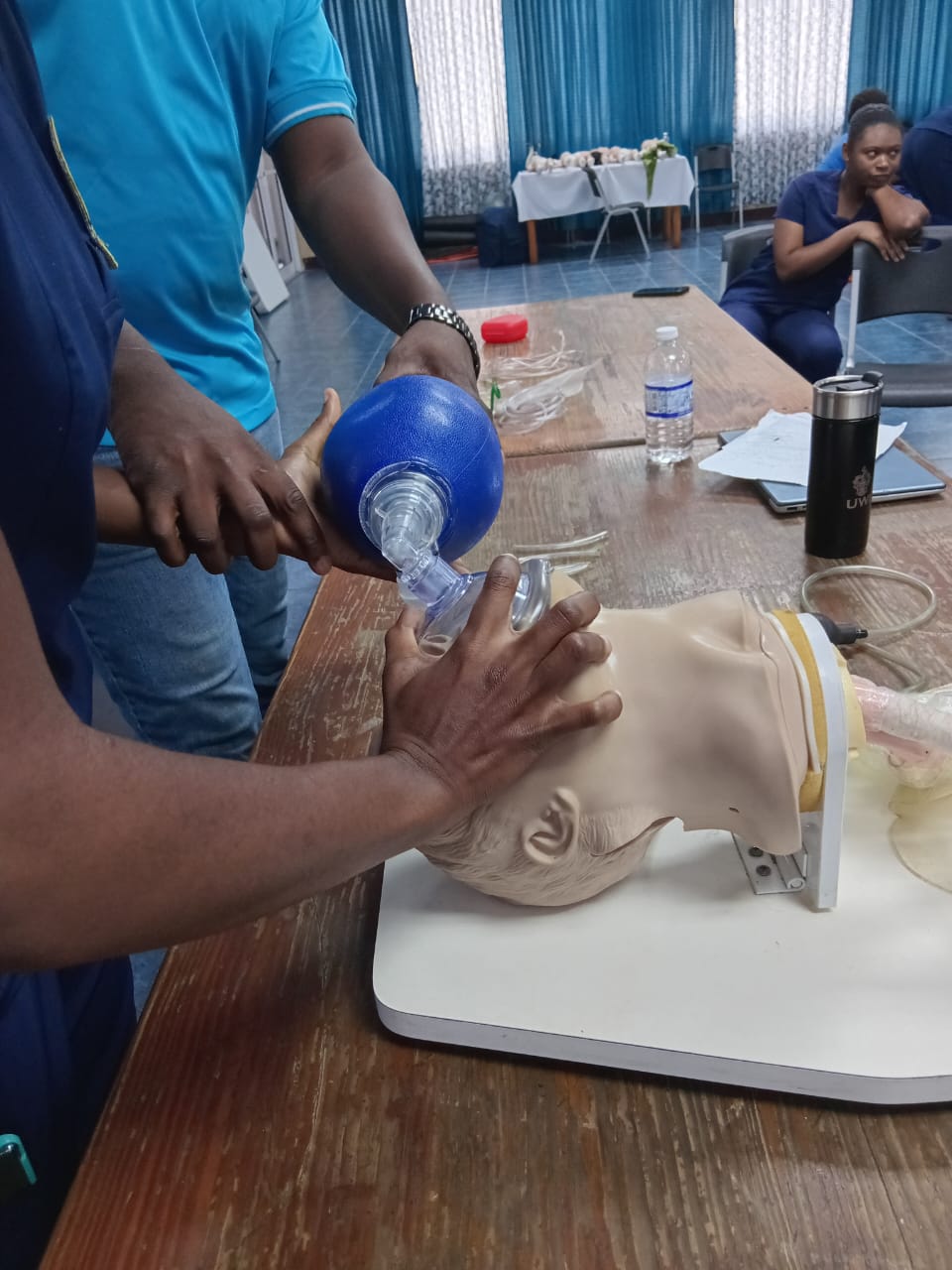
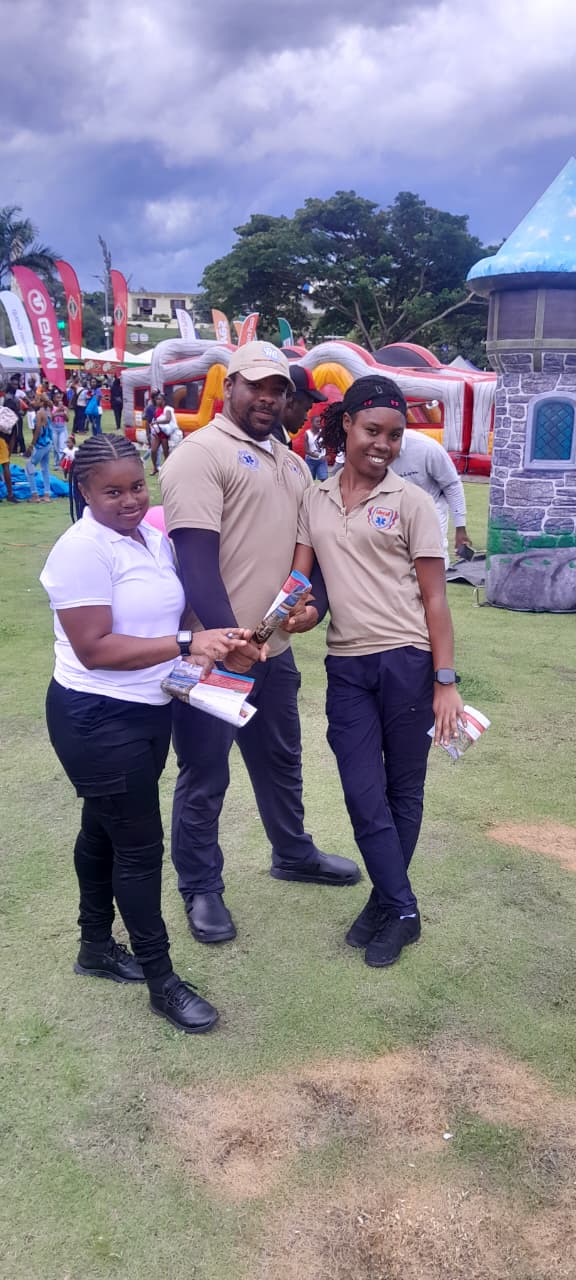
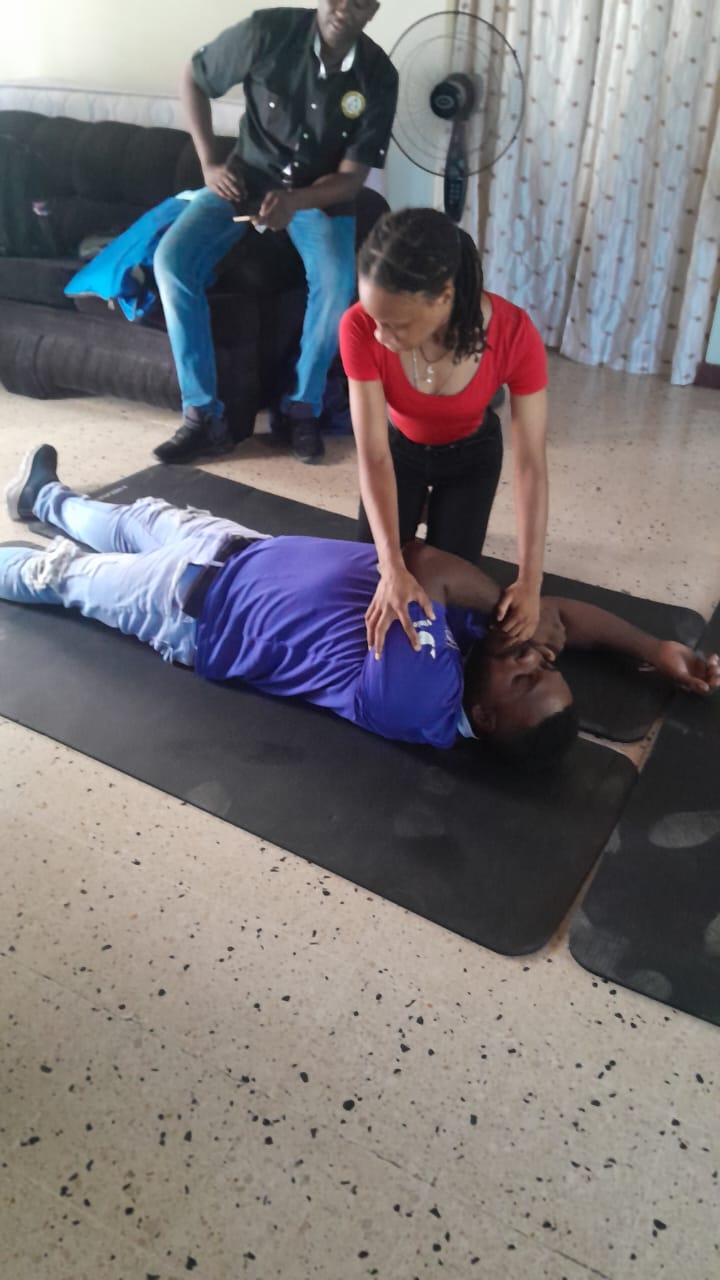

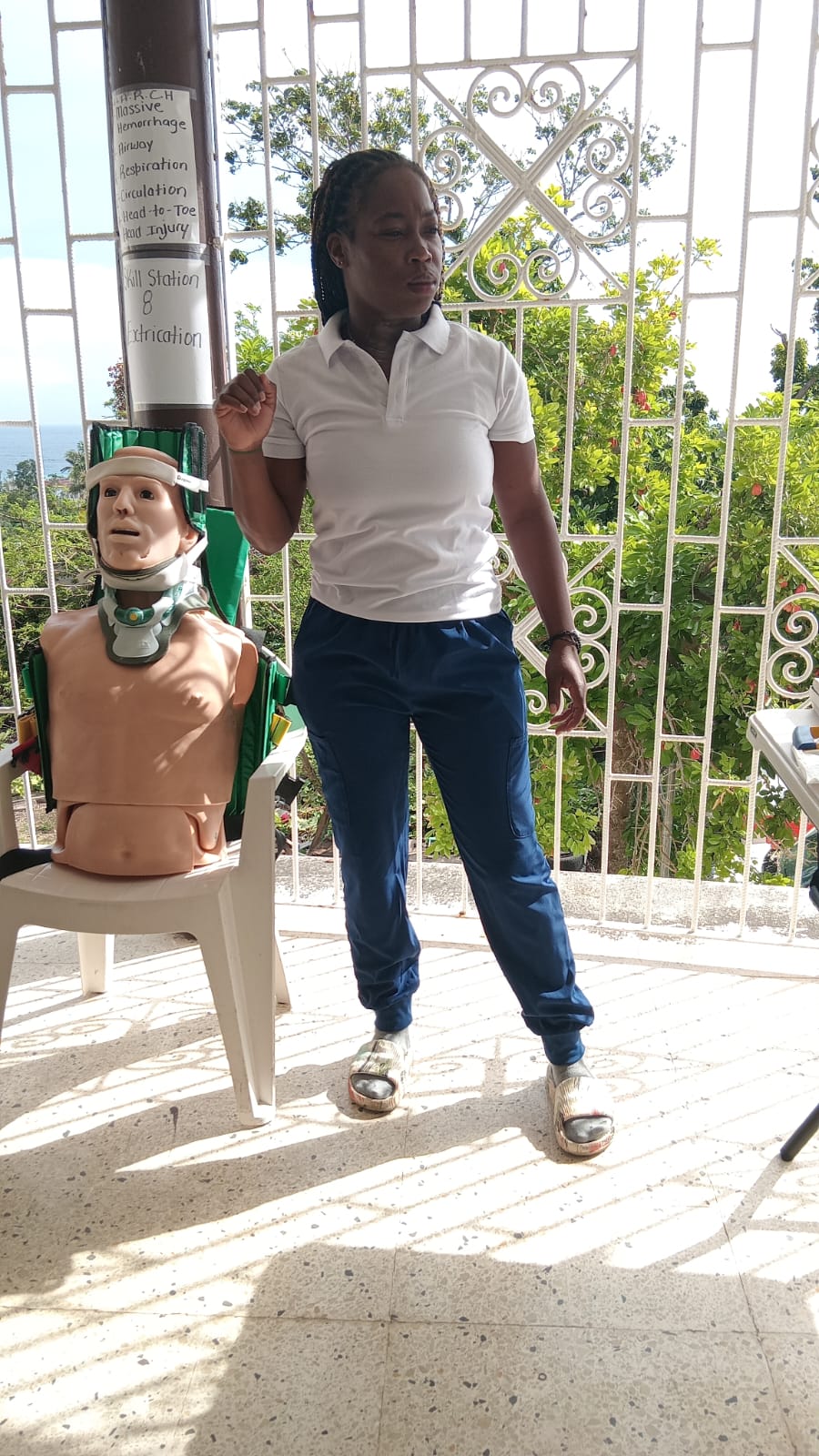
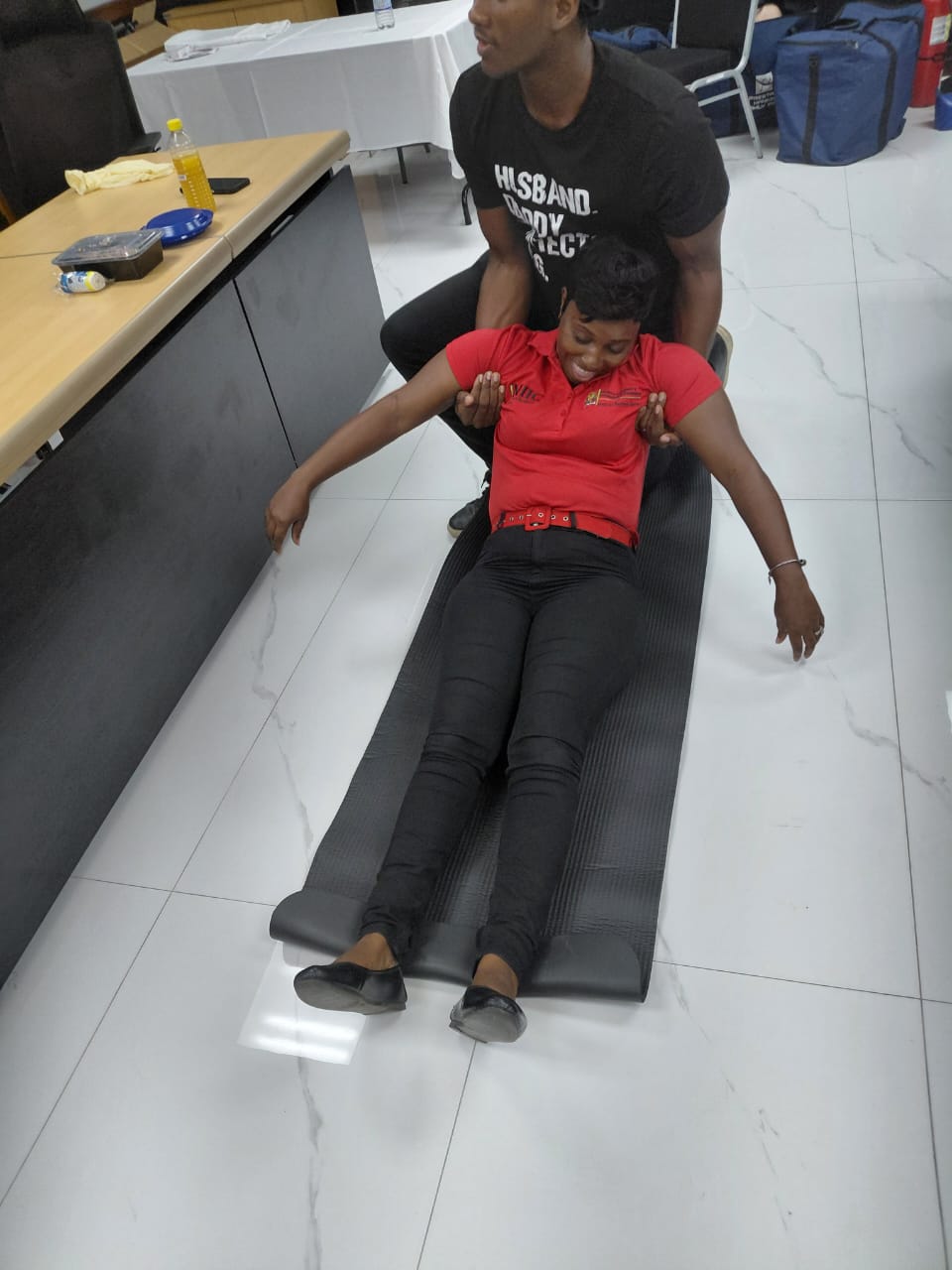

The EMT Programme, step by step
Apply
Start your application on the Register page, then complete JRA's admissions process and meet the requirements for your cohort.
Classes and skills lab
288 hours of classroom and practical sessions, online and face to face, covering the theory and the hands-on skills.
Hospital and ambulance hours
At least 32 hours in an emergency or clinical setting, and at least 200 hours riding along with a licensed ambulance service.
Exams and field assessment
Written exams, practical skills assessments and supervised field performance throughout the programme.
Related services
View all trainingEmergency responseA complete course for community responders and workplace emergency teams. Covers first aid, CPR, AED use, and how to coordinate with ambulance and hospital services. You will practise scenarios that build the confidence to act when it matters.View details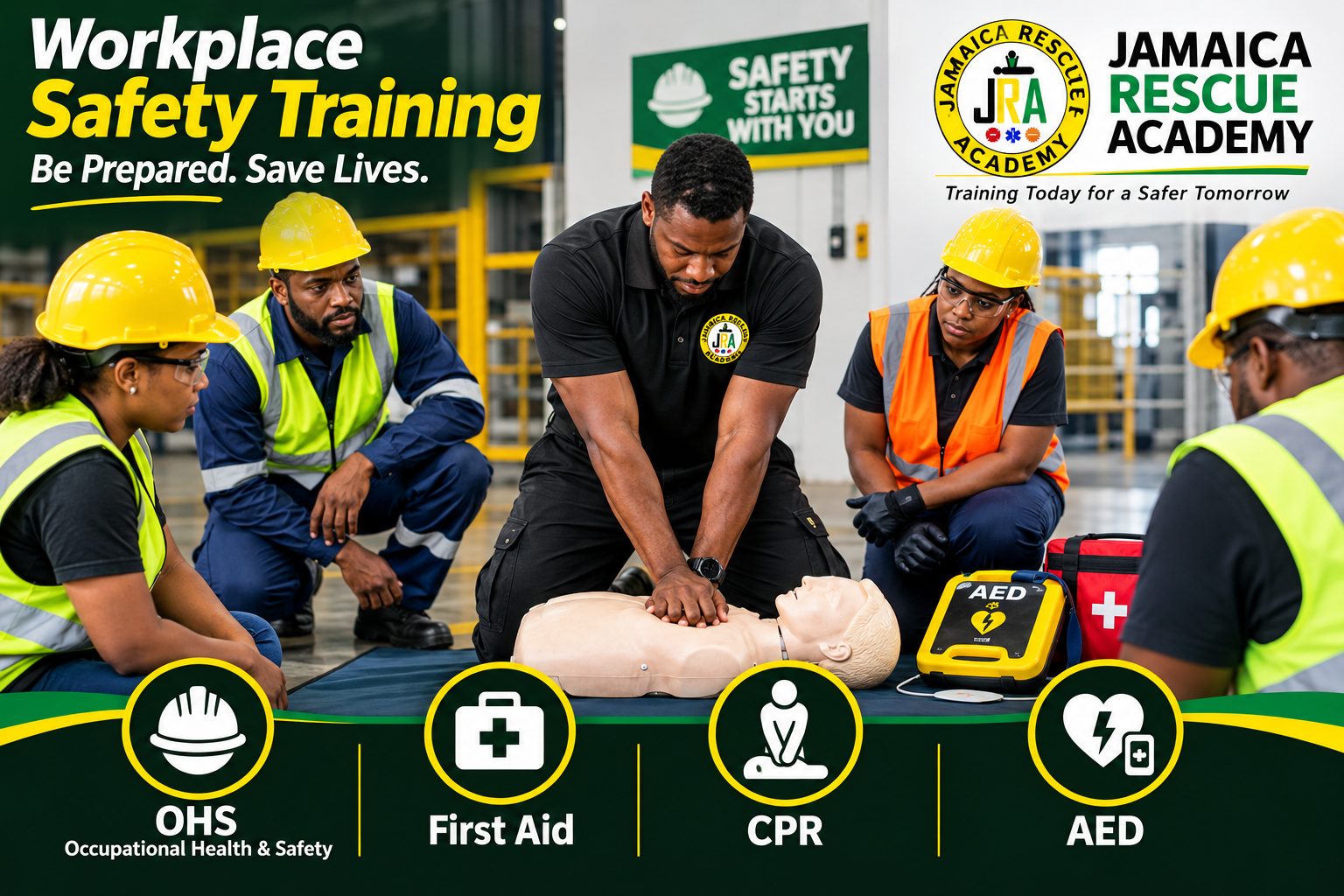 OSH 30-Hour General IndustryThe OSH 30-Hour General Industry Program is designed to provide workers, supervisors, team leaders, safety officers, occupational health personnel, and emergency response personnel with comprehensive knowledge and practical competency in workplace safety, hazard recognition, injury prevention, emergency response, and occupational regulatory compliance.View details
Jamaica's Tuition-Free EMT Training Program FAQs
Get in touch about a course
Tell us about your group and what you want to learn. We will get back to you with a course plan and a date that works.