Jamaica Rescue Academy
Emergency Bundle Program
Emergency Bundle Program in Portmore, Jamaica.
5.0 stars on Google
From 1 Google review.
We come to you
Covering areas in Jamaica and the Caribbean.
Training at your workplace
We come to workplaces, schools and community centres across Jamaica.
The course
About the Emergency Bundle Program
Fire Warden | First Aid | CPR | AED | Emergency Evacuation | Emergency Rescue Movement Techniques
Emergencies Don't Give Notice—Be Ready to Respond!
A small flame can become a major fire in seconds. Severe bleeding can become life-threatening, and cardiac arrest can cause death within minutes without immediate intervention.
The Jamaica Rescue Academy (JRA) Emergency Bundle Programme is designed to equip employees, supervisors, security personnel, designated emergency response teams, healthcare workers, and other participants with the knowledge and practical skills necessary to respond effectively to workplace and community emergencies.
The programme integrates Fire Warden responsibilities, First Aid, Cardiopulmonary Resuscitation (CPR), Automated External Defibrillator (AED) operation, Emergency Evacuation Procedures, and Emergency Rescue Movement Techniques.
The programme incorporates relevant principles and practices from the following:
1. Jamaican Legislation and Regulatory Framework
- Fire Brigade Act: Relevant provisions governing fire prevention, fire safety responsibilities, and the functions of the Jamaica Fire Brigade.
- Jamaica Fire Code: Applicable fire prevention, fire protection, emergency planning, evacuation, and life safety requirements.
- Jamaica Building Code: Building occupancy classifications, occupant safety, fire protection features, accessibility, emergency exits, and means of egress.
- Factories Act and Associated Regulations: Workplace health, safety, welfare, first aid, safe access, emergency exits, and employer responsibilities.
- Building Operations and Works of Engineering Construction (Safety, Health and Welfare) Regulations, 1968: Relevant workplace safety and welfare requirements for construction operations.
- Docks (Safety, Health and Welfare) Regulations, 1968: Relevant workplace safety and welfare requirements for dock and port operations.
2. International Fire Protection and Life Safety Standards
- National Fire Protection Association (NFPA):
- NFPA 1 – Fire Code.
- NFPA 10 – Standard for Portable Fire Extinguishers.
- NFPA 101 – Life Safety Code.
- NFPA 600 – Standard on Facility Fire Brigades.
- International Fire Code (IFC): Recognised provisions relating to fire prevention, emergency planning, fire protection, and building life safety.
- International Labour Organization (ILO): Occupational safety and health principles and workplace emergency preparedness guidance.
- Occupational Safety and Health Administration (OSHA): Relevant guidance on workplace fire prevention, emergency action planning, evacuation, and employee safety.
3. Emergency Medical and First Aid Standards
- 2025 American Heart Association (AHA) Guidelines.
- International Liaison Committee on Resuscitation (ILCOR).
- American Red Cross (ARC) First Aid and CPR Guidelines.
- Centers for Disease Control and Prevention (CDC).
These references inform the programme's instructional content and practical exercises, helping participants understand their responsibilities in fire prevention, workplace emergency preparedness, casualty care, evacuation, and emergency response.
Regulatory Note: The programme is educational and competency-based. It does not replace statutory inspections, building approvals, fire safety certificates, professional fire risk assessments, occupational safety audits, or the legal responsibilities of employers, building owners, facility managers, and designated safety personnel.
How we work
- Hands-on practice on every skill
- Current protocols taught without shortcuts
- We bring all equipment and materials
- Questions answered after training ends
- Training matched to your real environment
Request a training
Our work
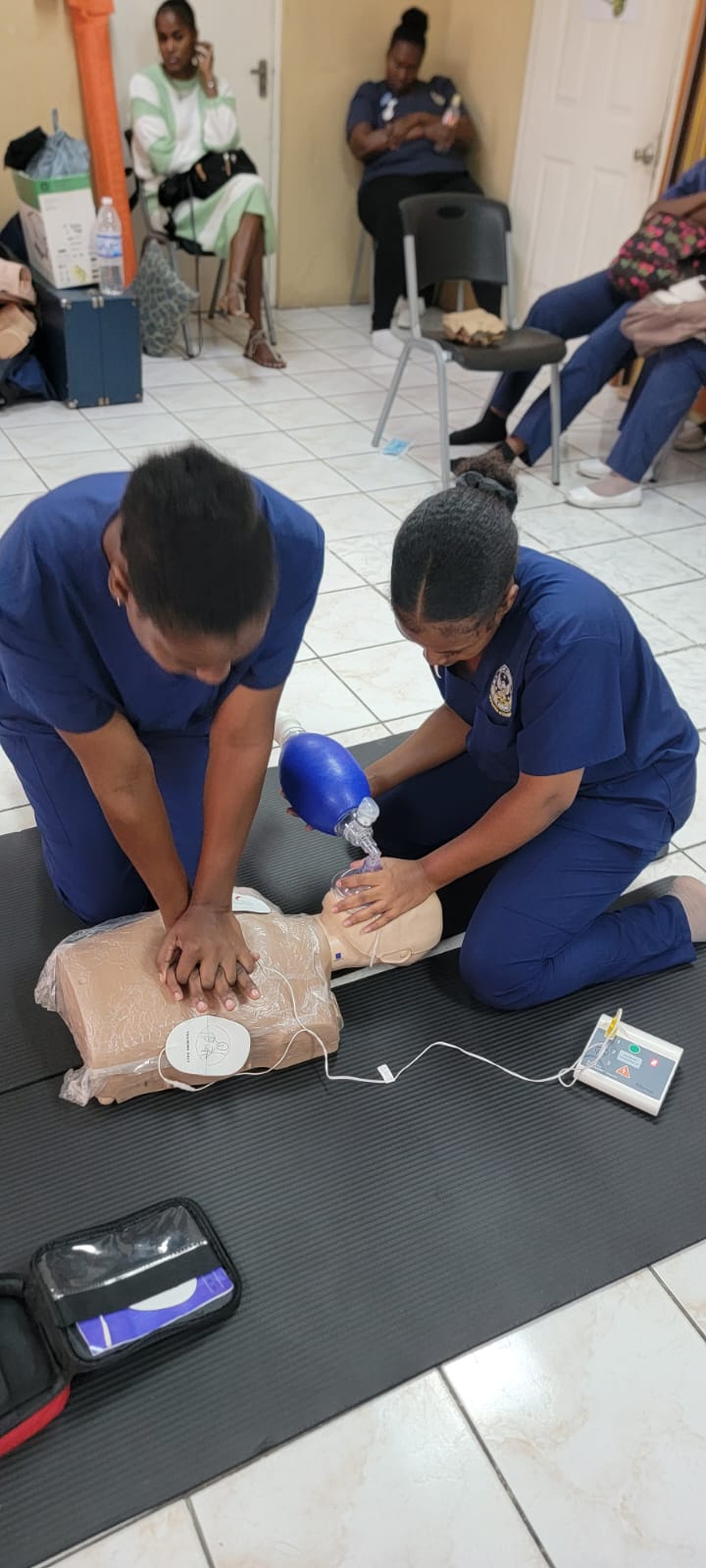
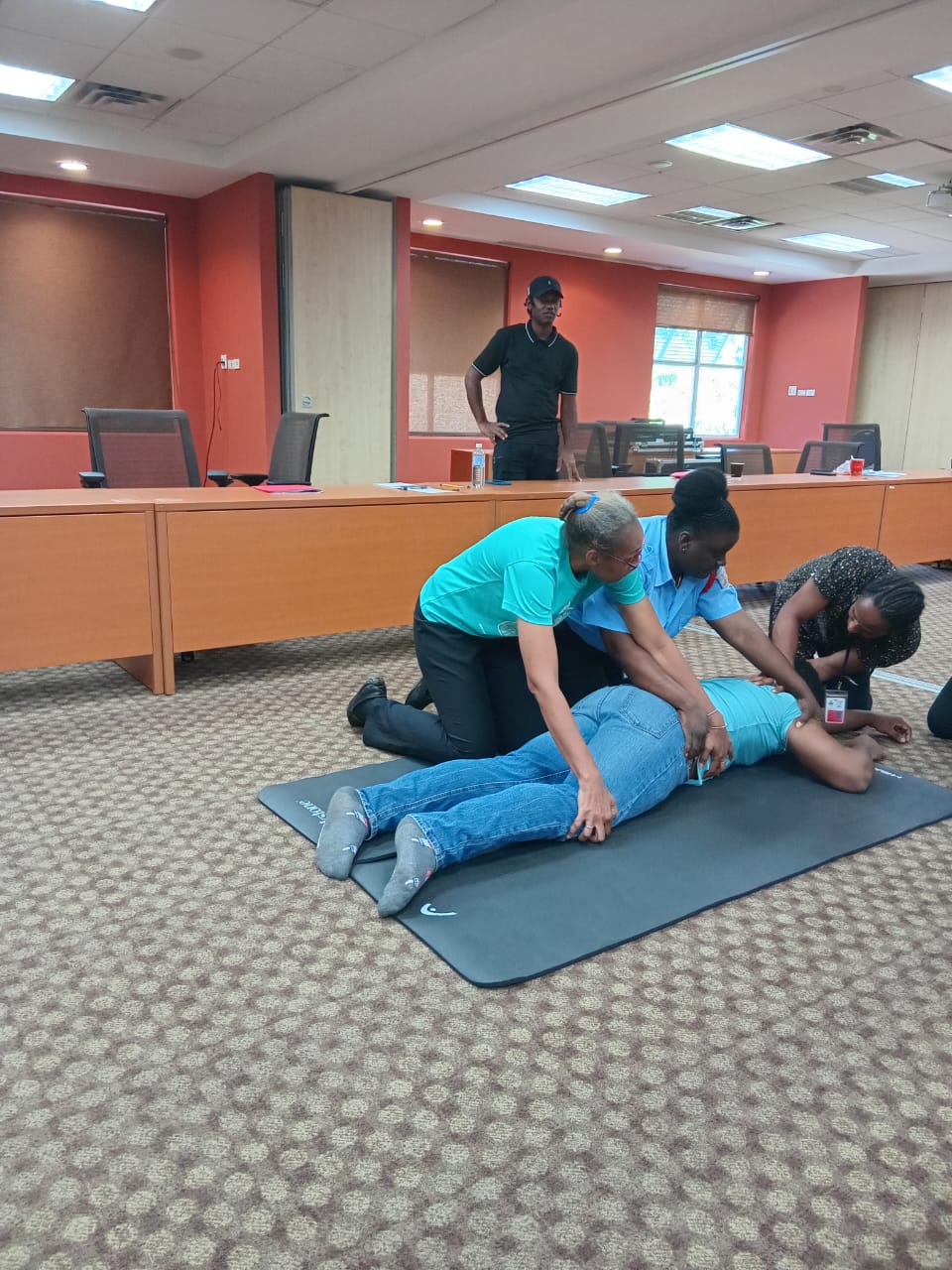
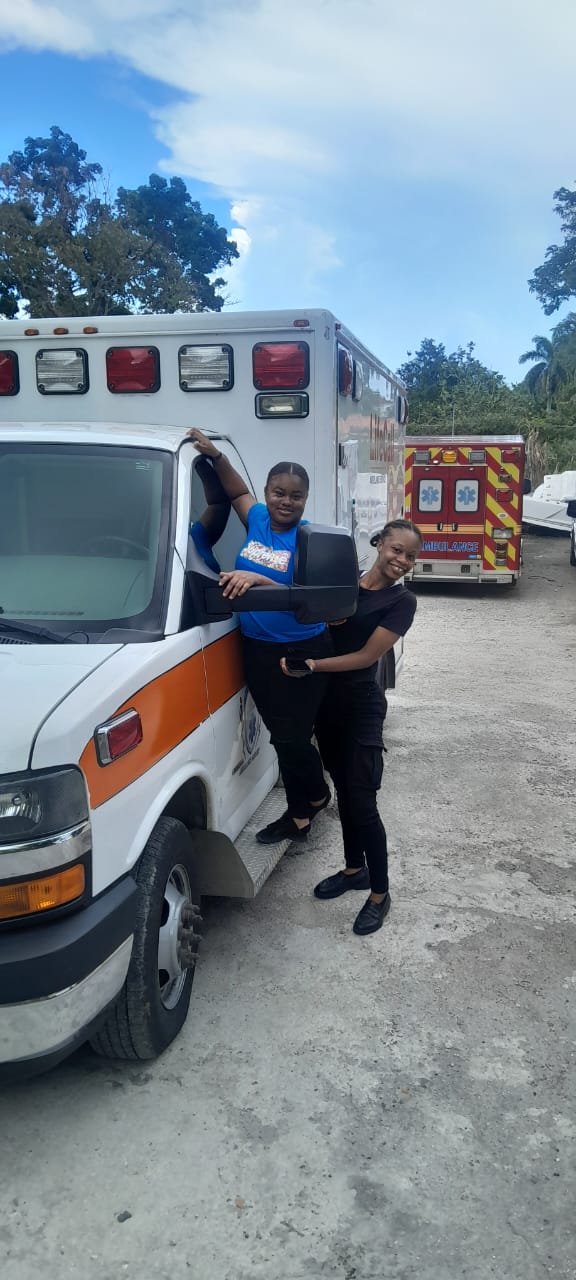
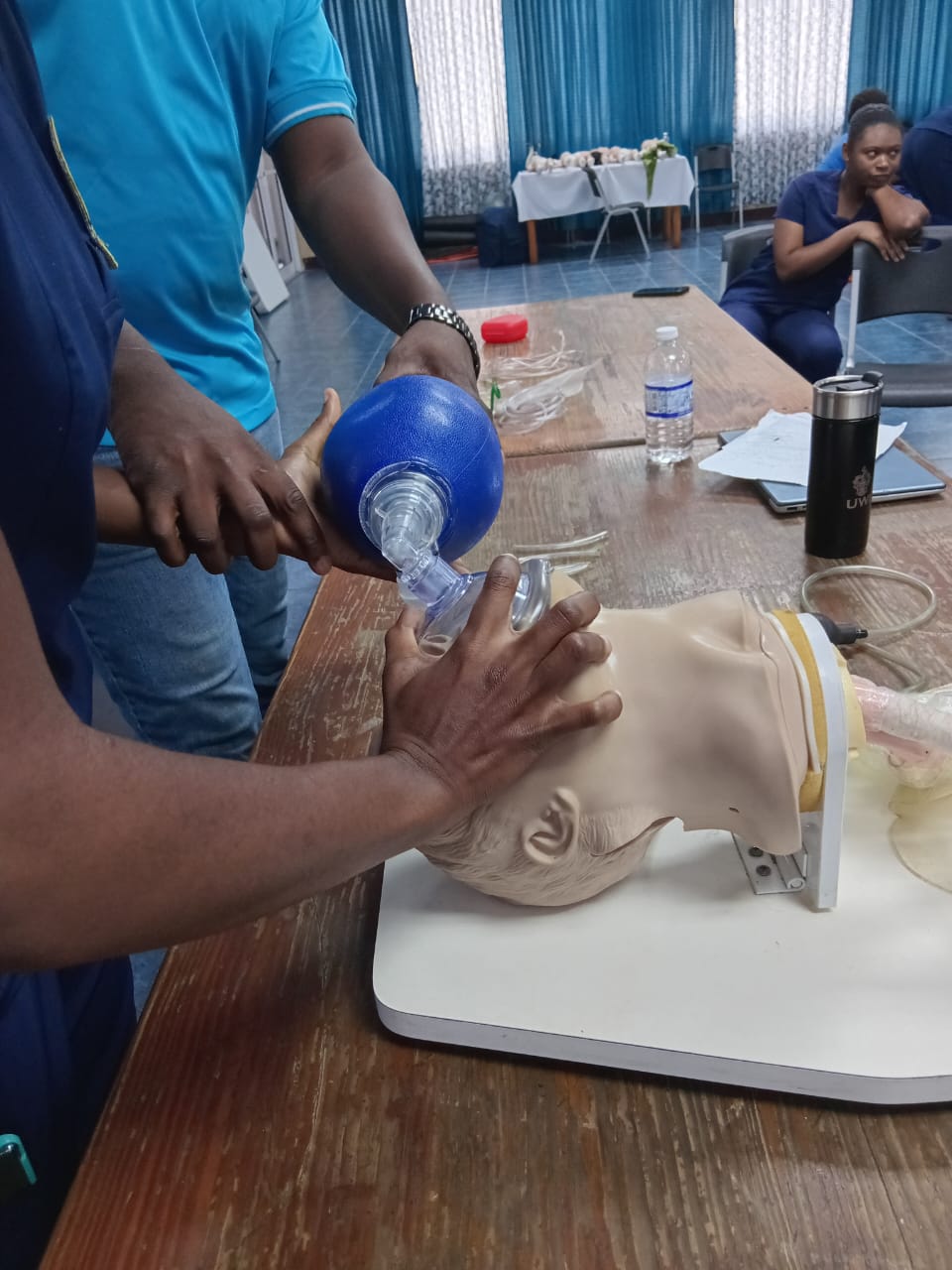
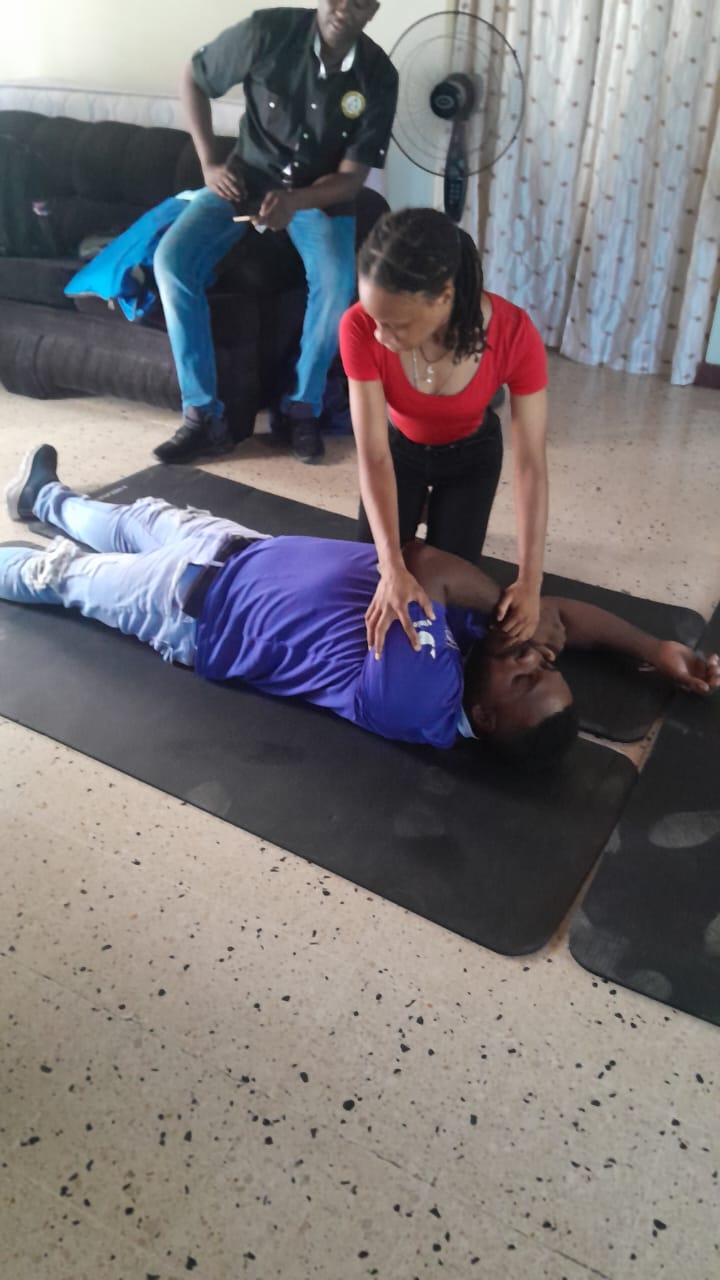
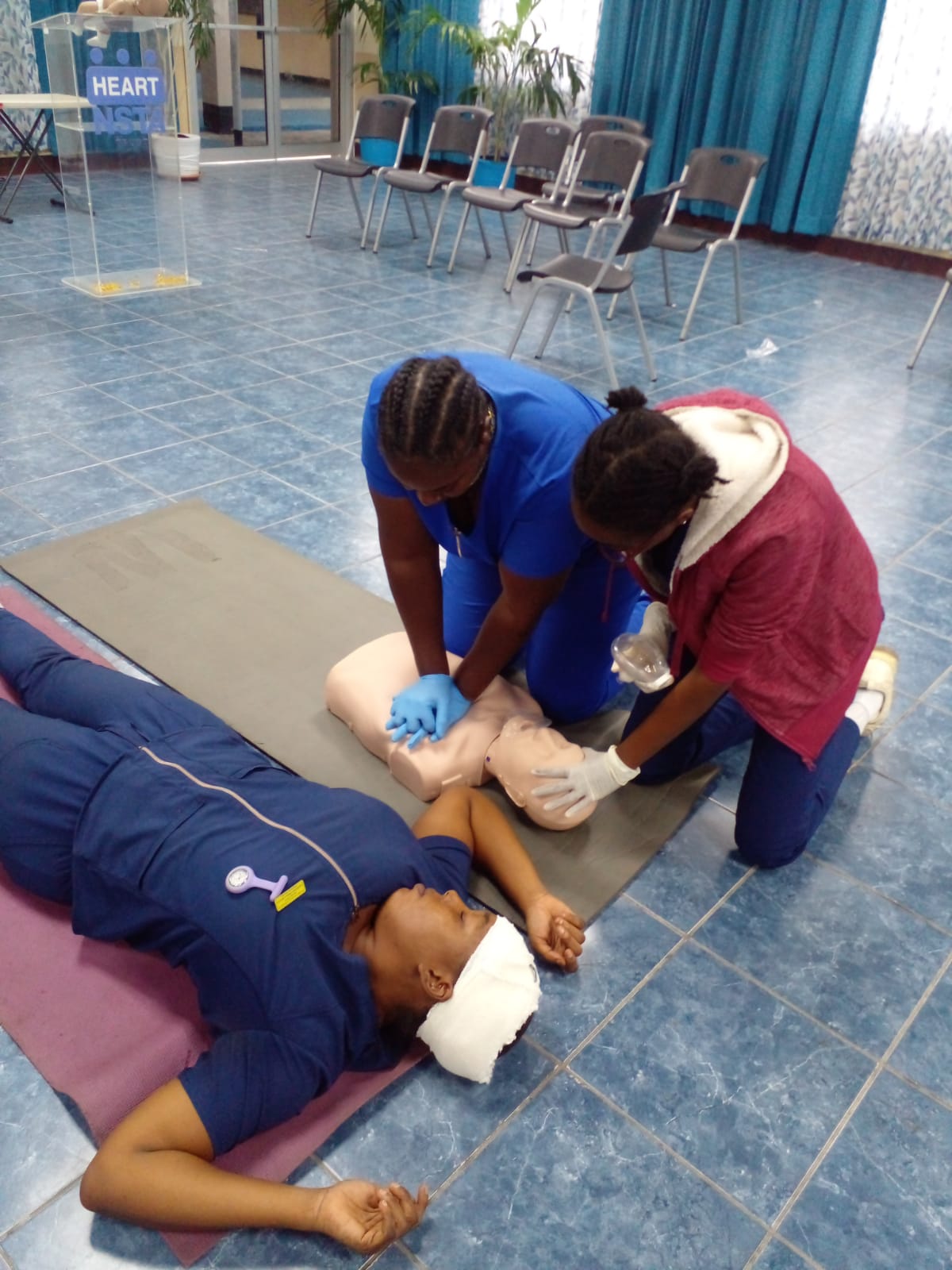
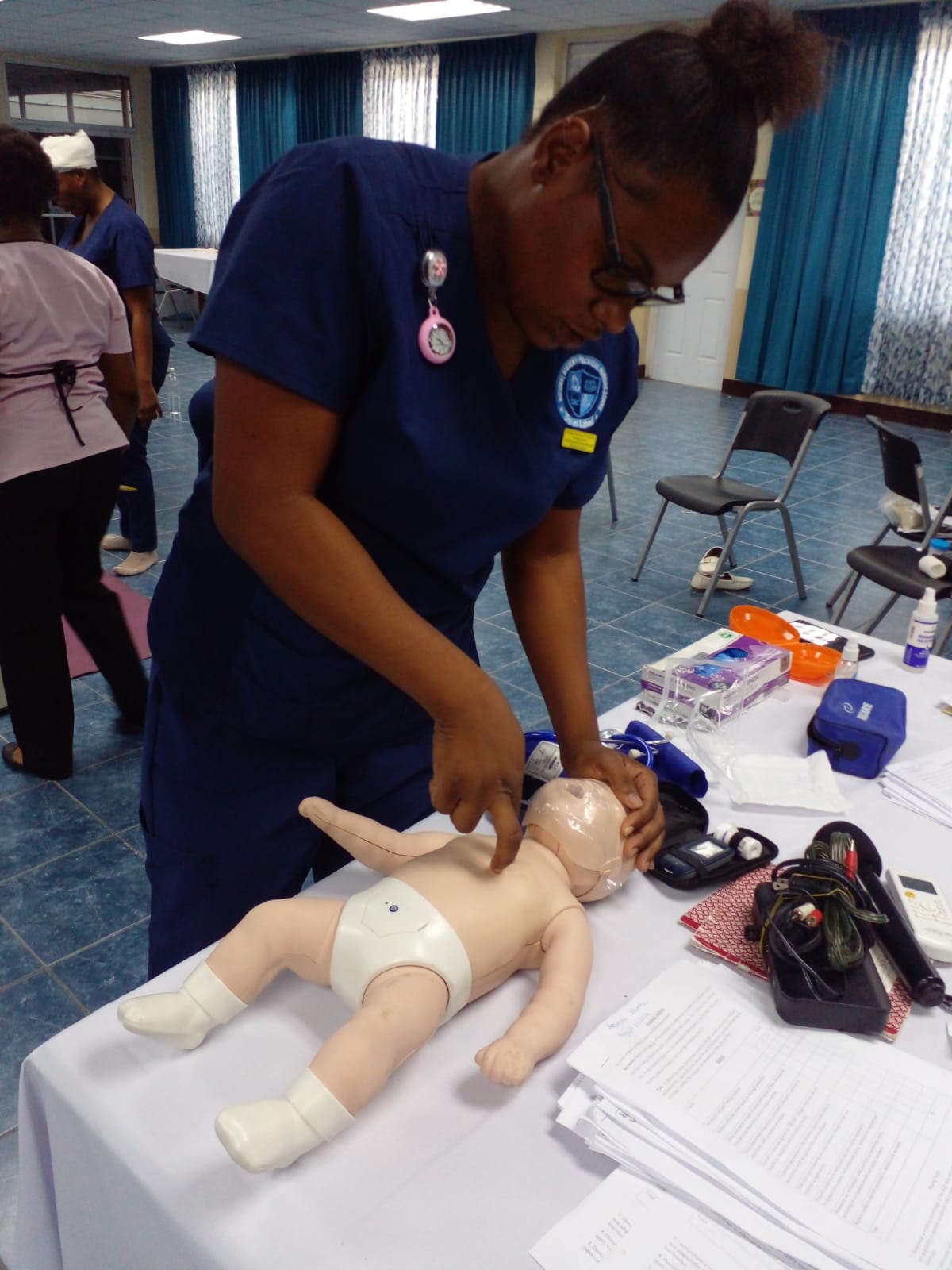
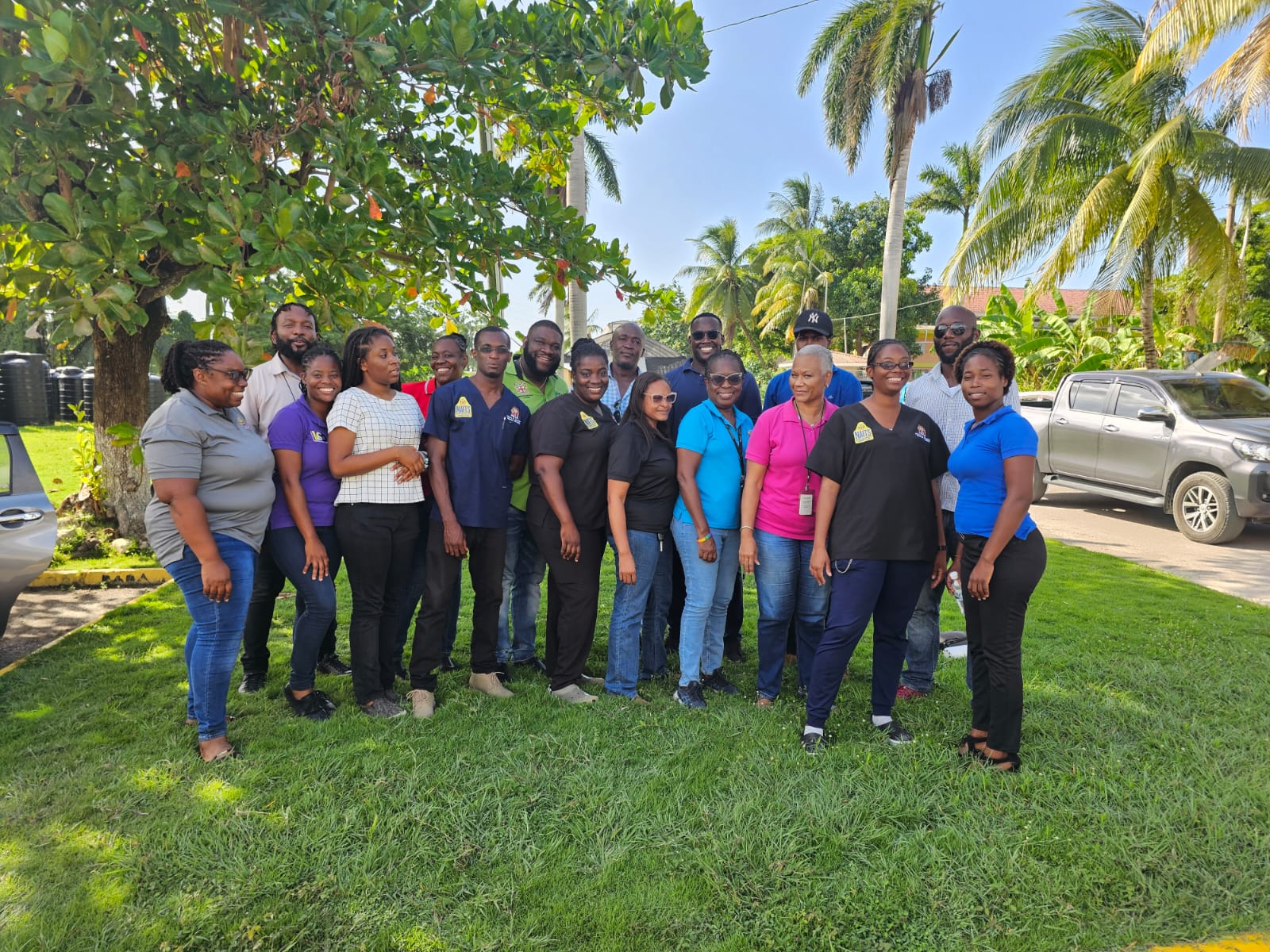
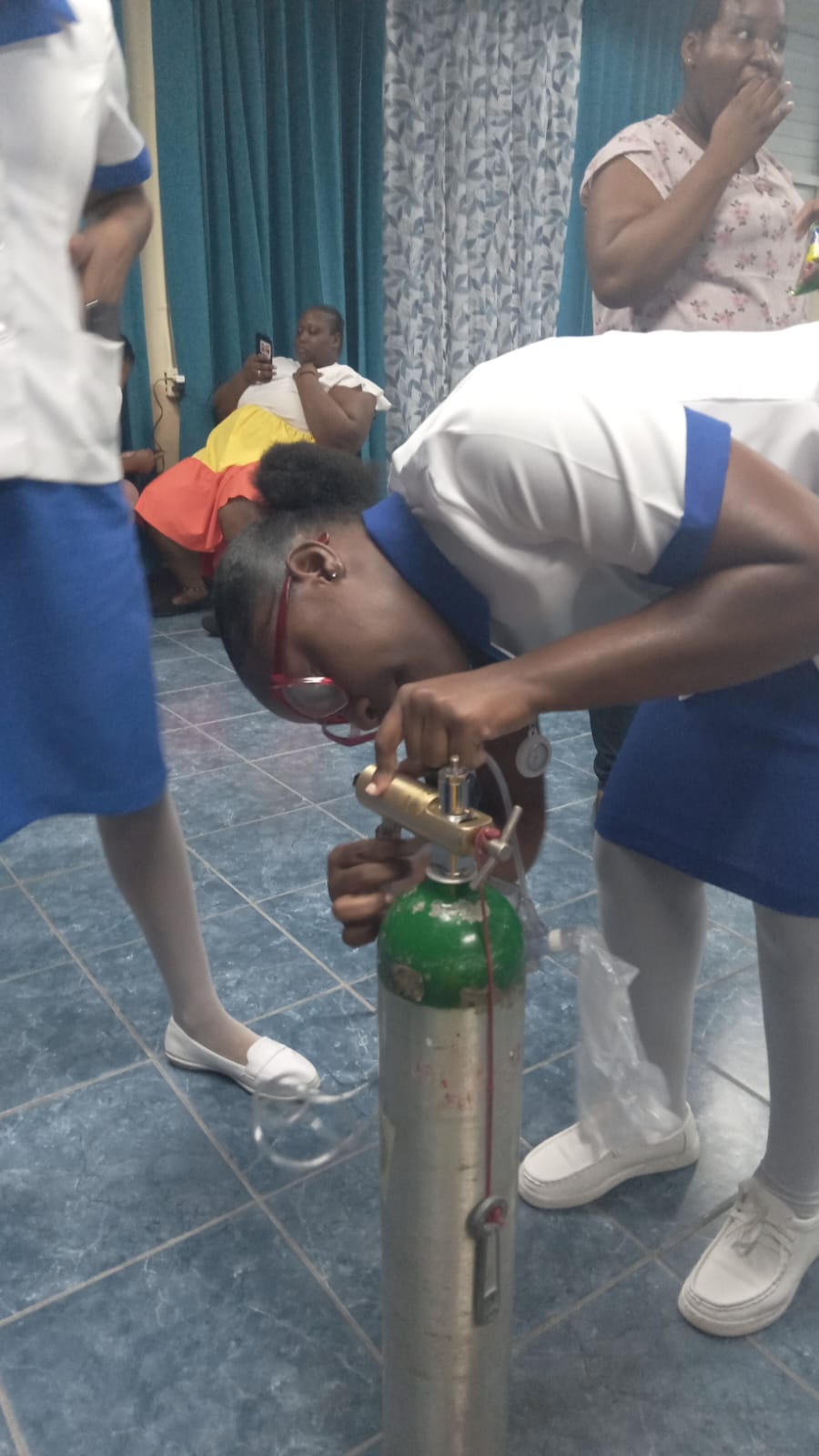
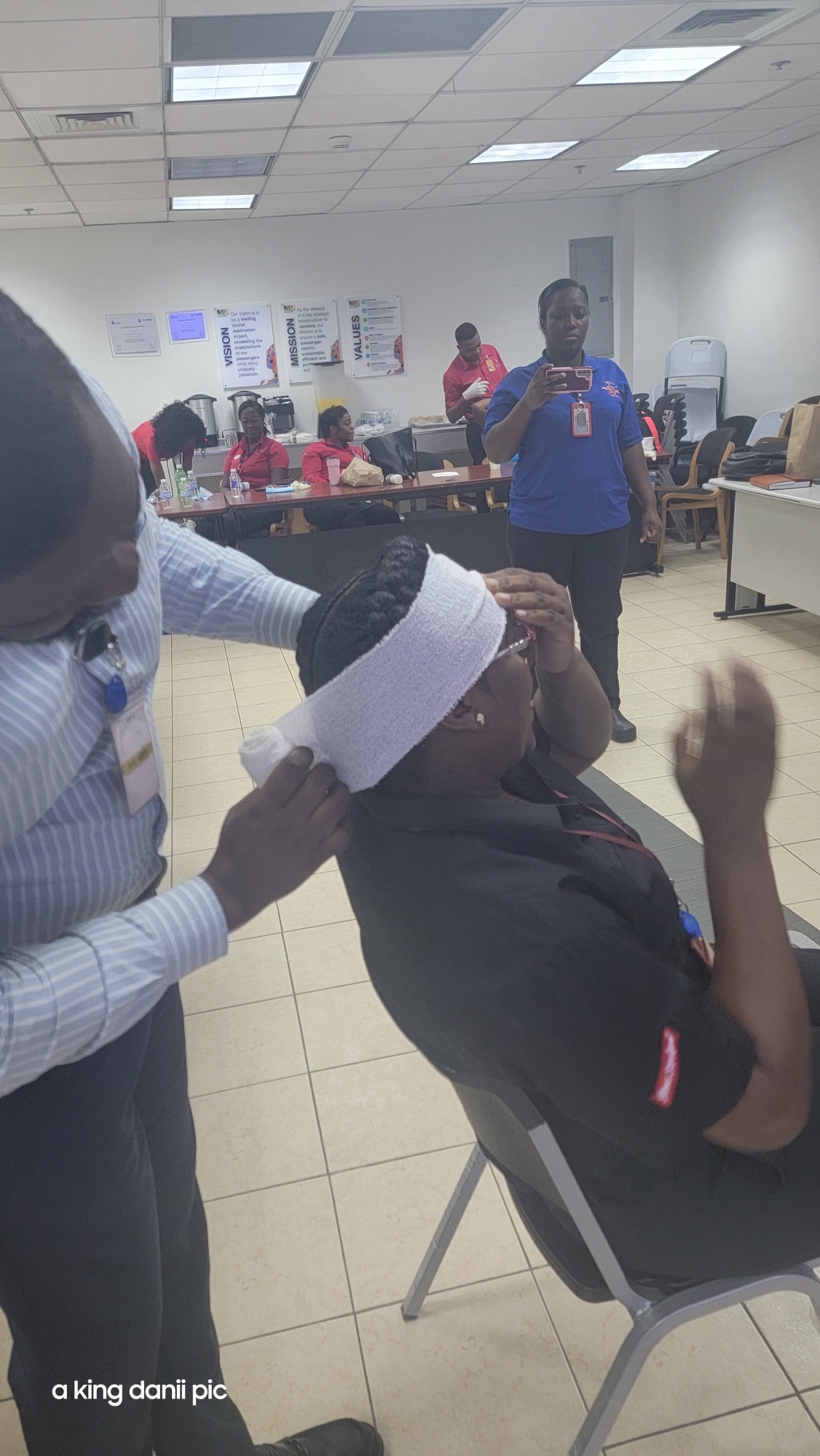
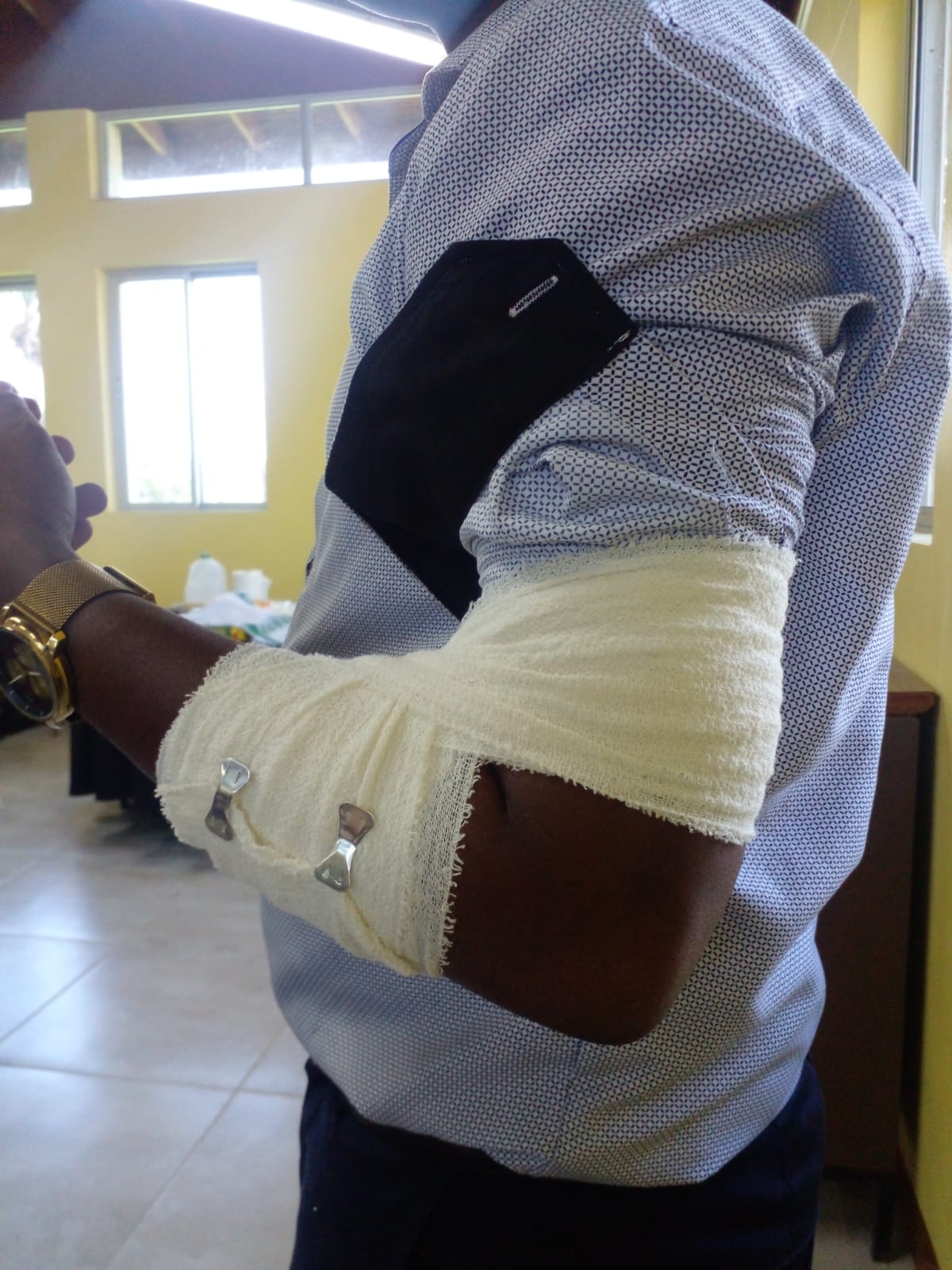
Explore Our Hands-On Training Programs and Real-World Class Experiences
Explore JRA's professional training programmes through real classroom sessions, hands-on practical exercises and emergency simulations. Building skills, confidence and readiness to save lives.







Related services
View all trainingOccupational Health & Safety (OHS) and Emergency Preparedness TrainingThe Jamaica Rescue Academy (JRA) OHS, First Aid, CPR & AED Program equips participants with knowledge and skills to prevent and respond to workplace emergencies. The program follows 2025 AHA, ILCOR, CDC, OSHA, and Ministry of Labour guidelines using peer-to-peer training.View details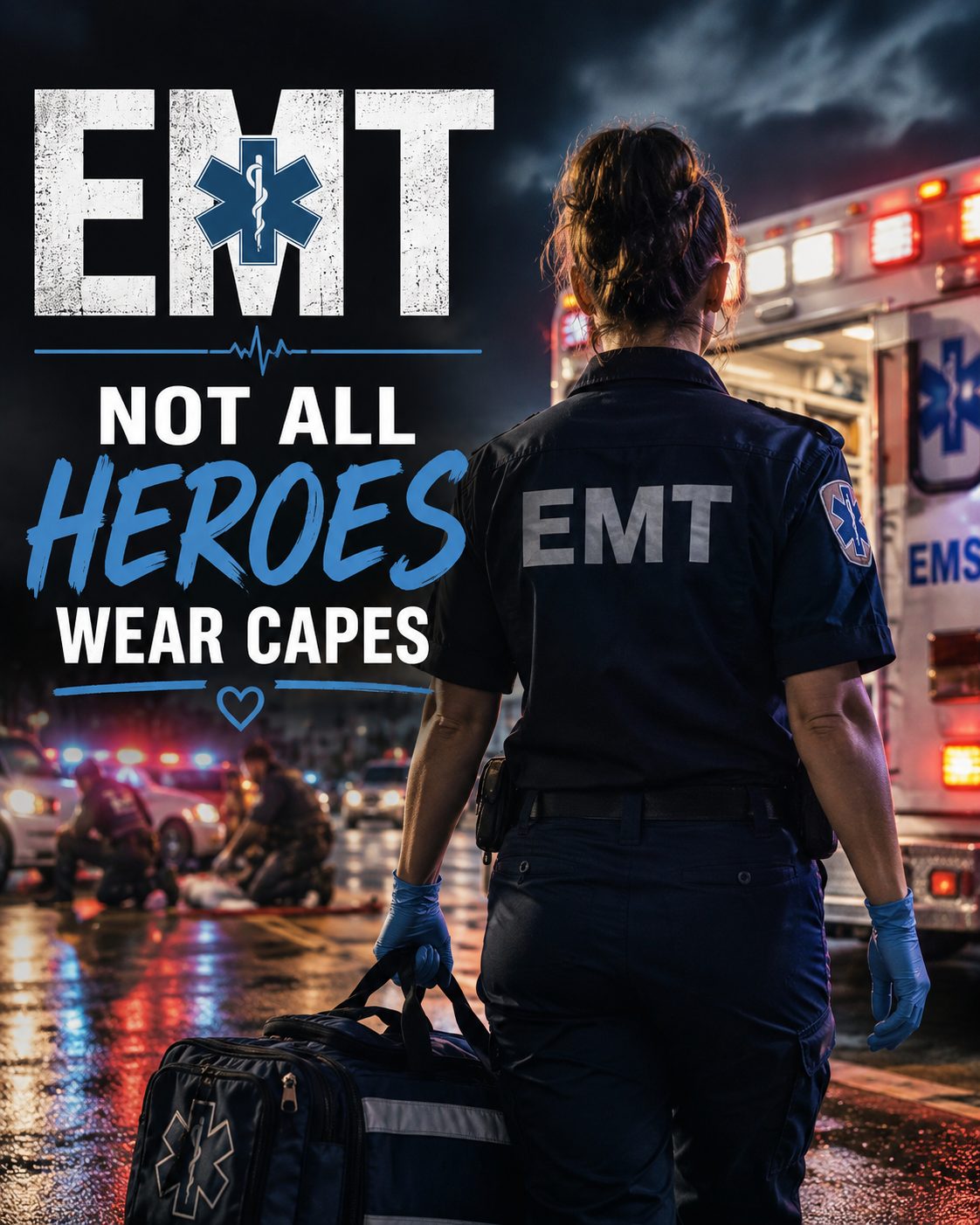 Jamaica's Tuition-Free EMT Training ProgramThe Emergency Medical Technician (EMT) Programme is a comprehensive and professionally structured training course designed to prepare participants to function effectively as first responders in both emergency medical and traumatic situations.View detailsIntegrated First Aid, Basic life support (BLS), Airway Management, & Oxygen Therapy TrainingThe Skills to Respond. The Knowledge to Save Lives.
Professional-level emergency response course that builds on First Aid and BLS foundation.View details
Jamaica's Tuition-Free EMT Training ProgramThe Emergency Medical Technician (EMT) Programme is a comprehensive and professionally structured training course designed to prepare participants to function effectively as first responders in both emergency medical and traumatic situations.View detailsIntegrated First Aid, Basic life support (BLS), Airway Management, & Oxygen Therapy TrainingThe Skills to Respond. The Knowledge to Save Lives.
Professional-level emergency response course that builds on First Aid and BLS foundation.View detailsGet in touch about a course
Tell us about your group and what you want to learn. We will get back to you with a course plan and a date that works.