Occupational Health & Safety (OHS) and Emergency Preparedness Training
OHS, First Aid, CPR, AED Training in Jamaica.
5.0 stars on Google
From 1 Google review.
We come to you
Covering areas in Jamaica and the Caribbean.
Training at your workplace
We come to workplaces, schools and community centres across Jamaica.
About the Occupational Health & Safety (OHS), First Aid, CPR & AED Training
The Jamaica Rescue Academy Occupational Health & Safety (OHS), First Aid, CPR & AED Training Programme is designed to equip employees, supervisors, workplace safety representatives, designated first aiders, and other participants with the knowledge and practical skills necessary to promote workplace safety, recognise potential hazards, prevent workplace injuries, and respond effectively to medical emergencies. The programme integrates essential occupational health and safety principles with emergency preparedness, workplace fire safety, violence prevention, first aid, Cardiopulmonary Resuscitation (CPR), and Automated External Defibrillator (AED) operation.
Standards Alignment: The Jamaica Rescue Academy curriculum adheres to the most recent evidence-based guidelines and professional standards, including: • 2025 American Heart Association (AHA) Guidelines • International Liaison Committee on Resuscitation (ILCOR) • Centers for Disease Control and Prevention (CDC) • OSHA • NCTVET Occupational Standards Development Department These standards ensure that participants receive training aligned with international emergency medical and fire safety best practices
- Introduction to occupational health and safety principles.
- Workplace health and safety responsibilities.
- Identification of workplace hazards.
- Hazard assessment and risk management.
- Workplace injury and illness prevention.
- Workplace emergency preparedness and response planning.
- Fire prevention and workplace fire safety.
- Workplace violence awareness, prevention, and response.
- Safe work practices and the importance of incident reporting.
- Recognising emergencies and assessing emergency situations.
- Identifying, assessing, and managing immediate hazards.
- Establishing scene safety and protecting casualties, rescuers, and bystanders.
- Conducting initial casualty assessments and identifying immediate care priorities.
- Determining the need for first aid and activating appropriate emergency response services.
- Requesting additional assistance and coordinating emergency resources.
- Preparing casualties for appropriate evacuation and transfer to professional medical care.
- Applying established first aid principles and procedures.
- Recognising and responding to common medical emergencies.
- Recognising and managing common traumatic injuries.
- Providing appropriate and respectful casualty care.
- Obtaining casualty consent where possible.
- Performing adult, child, and infant CPR.
- Demonstrating appropriate AED operation and integration with CPR.
- Using available first aid equipment and resources safely.
- Monitoring casualty conditions and recognising changes in responsiveness and vital signs.
- Conducting systematic patient assessments.
- Performing primary and secondary assessments appropriate to the participant's training level.
- Measuring and interpreting basic vital signs.
- Obtaining patient history using the SAMPLE approach.
- Recognising signs and symptoms of common medical and traumatic conditions.
- Identifying immediate threats to life and prioritising first aid interventions.
- Monitoring and documenting patient condition and care provided.
- Identifying and coordinating available emergency resources.
- Establishing communication with emergency personnel and medical services.
- Allocating appropriate resources to support timely emergency assistance.
- Monitoring casualty conditions and coordinating ongoing first aid activities.
- Coordinating casualty evacuation and transfer arrangements.
- Documenting resource allocation and recommending modifications where necessary.
- Recognising the need for appropriate support services for personnel involved in emergency incidents.
- Communicating accurate and relevant incident information to emergency response services.
- Providing clear handover information to responding medical personnel.
- Completing incident reports and documenting first aid interventions.
- Maintaining accurate and appropriate patient care records.
- Protecting confidentiality and handling incident information in accordance with applicable policies and procedures.
- Recognising the potential psychological effects of critical incidents on emergency responders and workplace personnel.
- Participating in incident debriefings.
- Evaluating emergency response activities and first aid management.
- Identifying areas for improvement in workplace emergency response.
- Developing recommendations and improvement action plans.
- Reviewing workplace emergency contingency plans and identifying alternative response procedures.
- Theoretical Instruction: Classroom or online instruction covering occupational health and safety principles, emergency preparedness, first aid knowledge, and relevant safety practices.
- Practical Demonstrations: Instructor-led demonstrations of essential first aid, CPR, AED, patient assessment, and emergency response procedures.
- Scenario-Based Exercises: Simulated workplace and community emergencies that allow participants to apply their knowledge and develop practical decision-making skills.
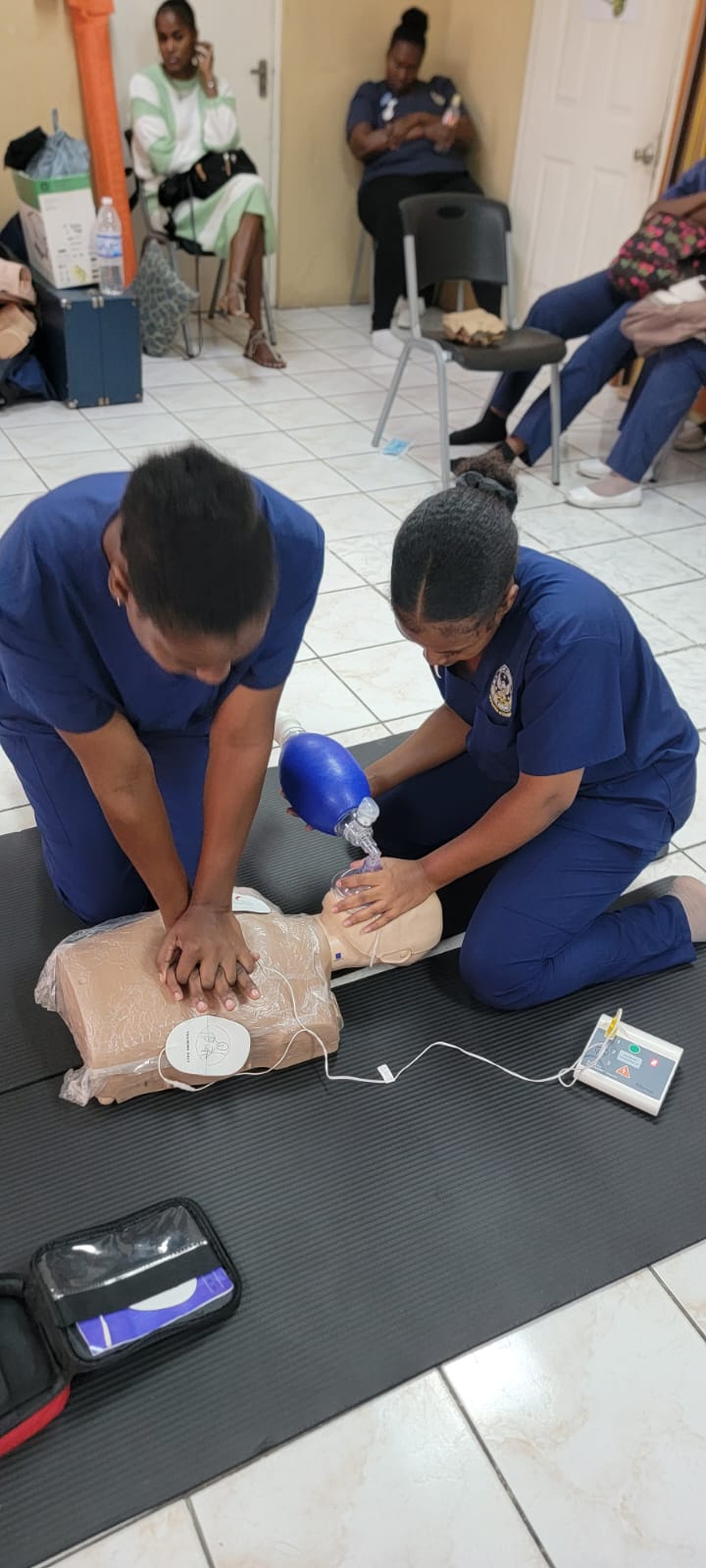
- Hands-On Skills Practice: Supervised opportunities to practise relevant techniques using appropriate training equipment.
- Competency Assessments: Written and practical assessments designed to evaluate participants' understanding and ability to demonstrate the required knowledge and skills.
Peer-to-peer training
You learn from instructor-led lectures and demonstrations, then practise the skills with each other, in team drills and in scenario simulations.
Hands-on practice
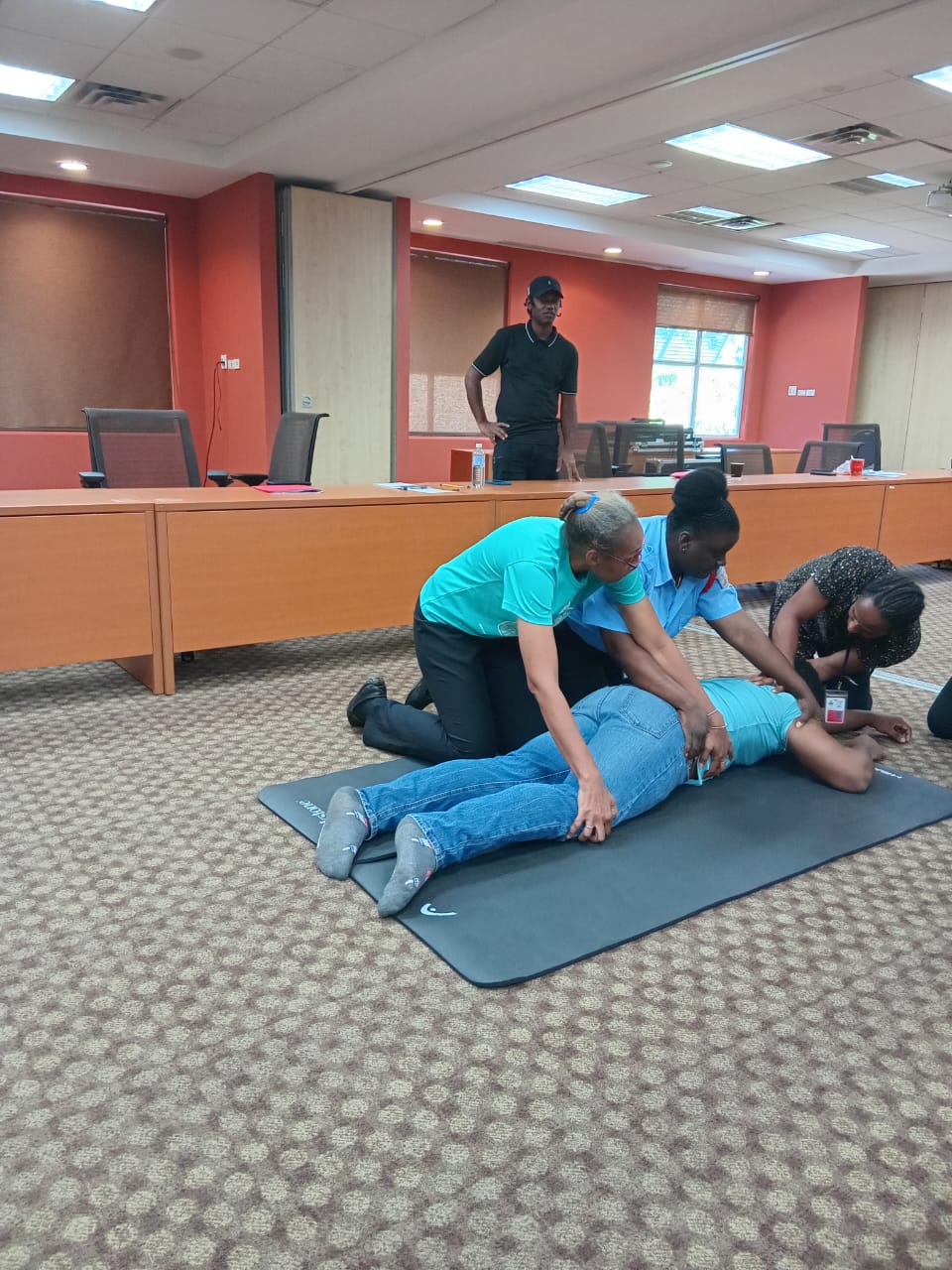
You do not just watch. You bandage, splint, and roll manikins into the recovery position until the movements feel natural.
How we work
- Hands-on practice on every skill
- Current protocols taught without shortcuts
- We bring all equipment and materials
- Questions answered after training ends
- Training matched to your real environment
Request a training
Explore Our Hands-On Training Programs and Real-World Class Experiences
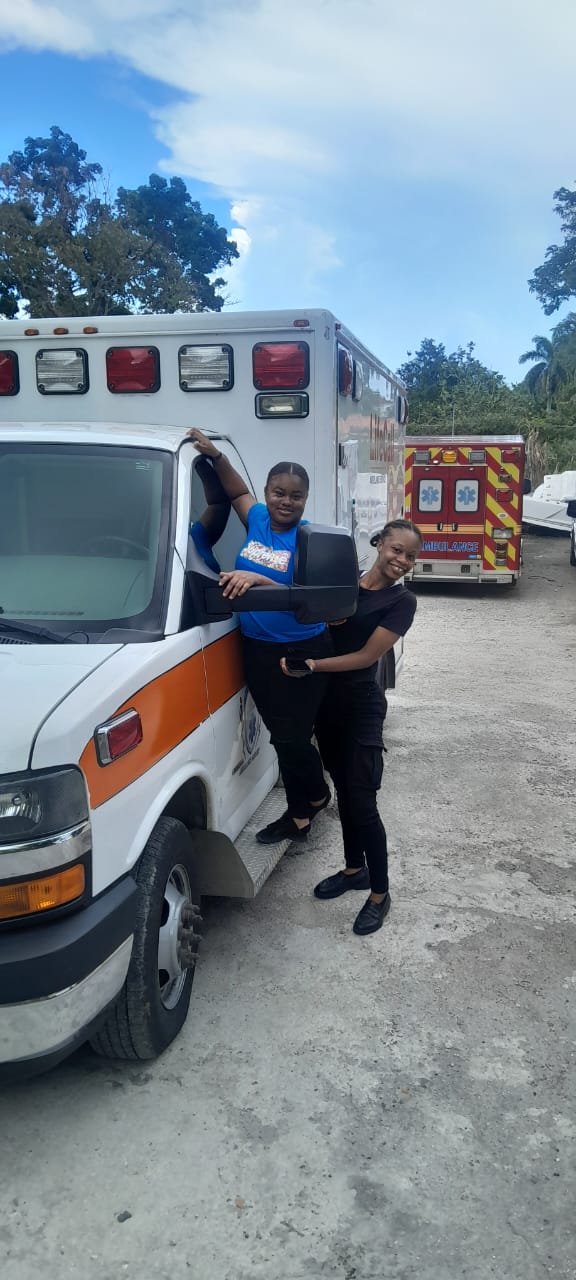
Explore JRA's professional training programmes through real classroom sessions, hands-on practical exercises and emergency simulations. Building skills, confidence and readiness to save lives.
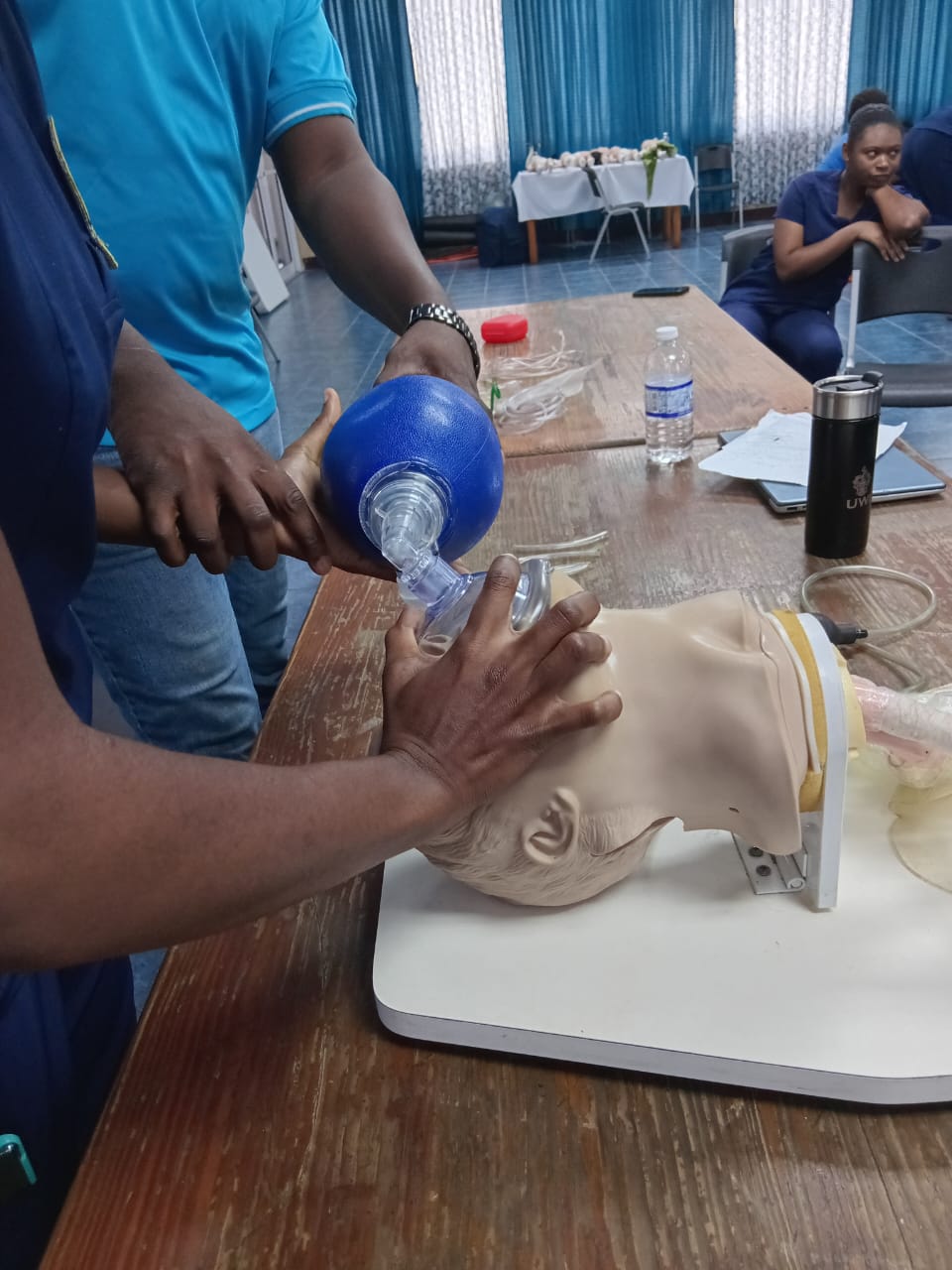
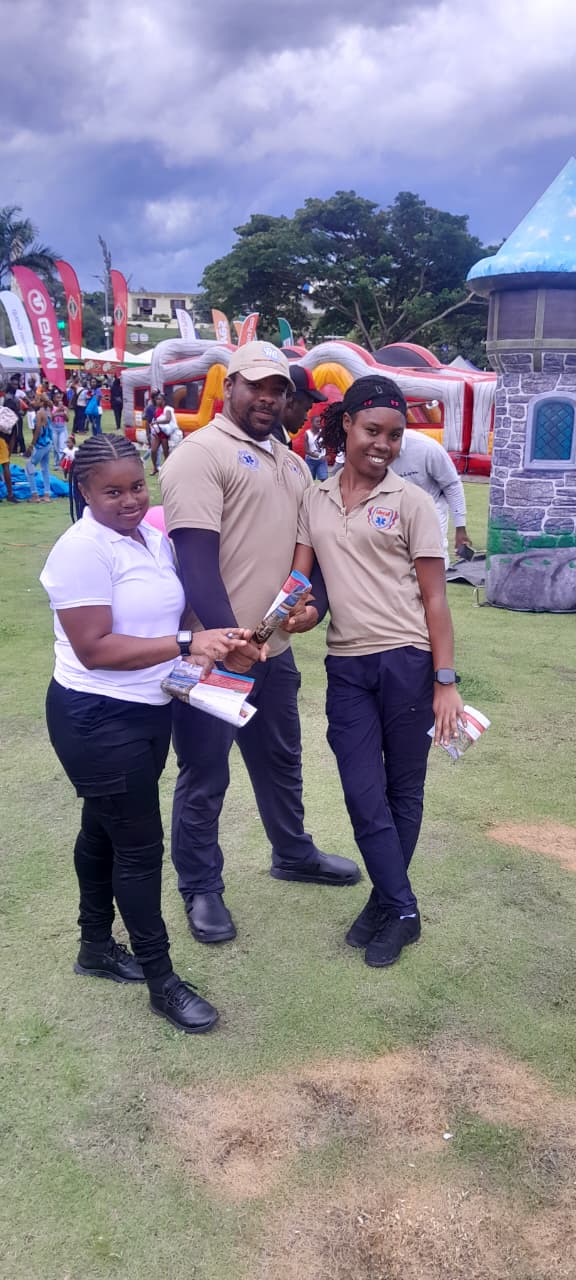
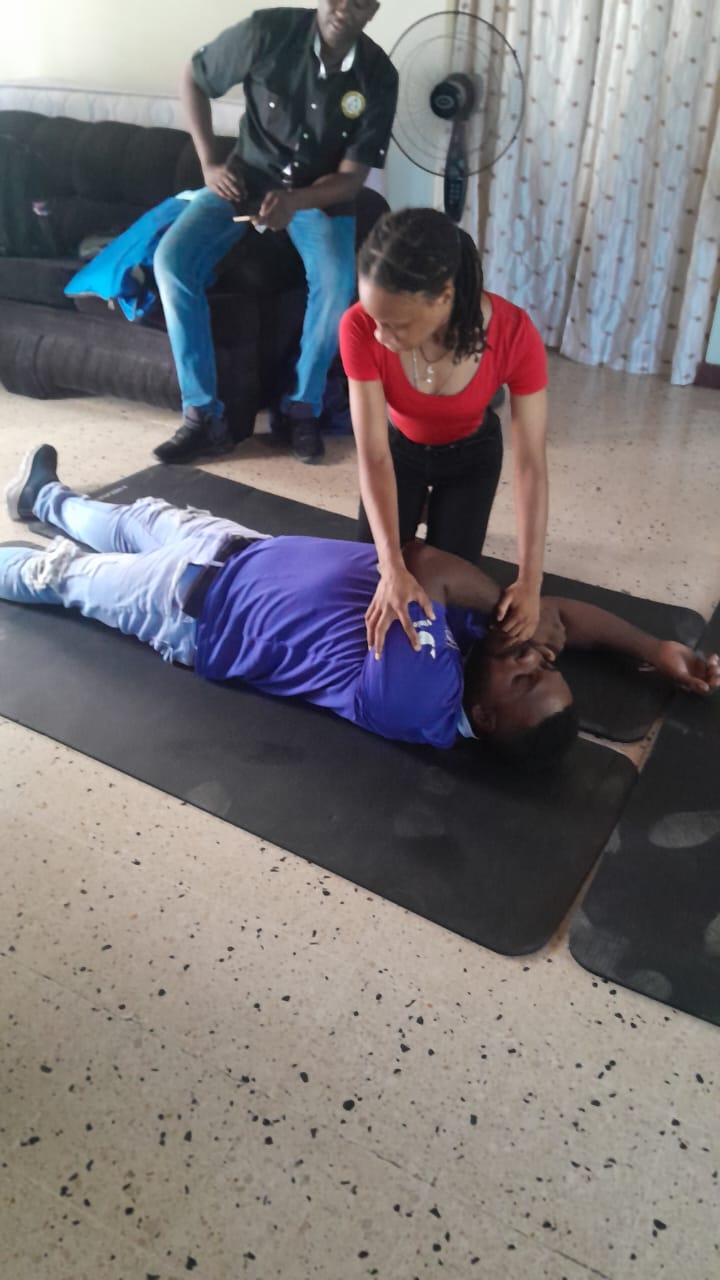
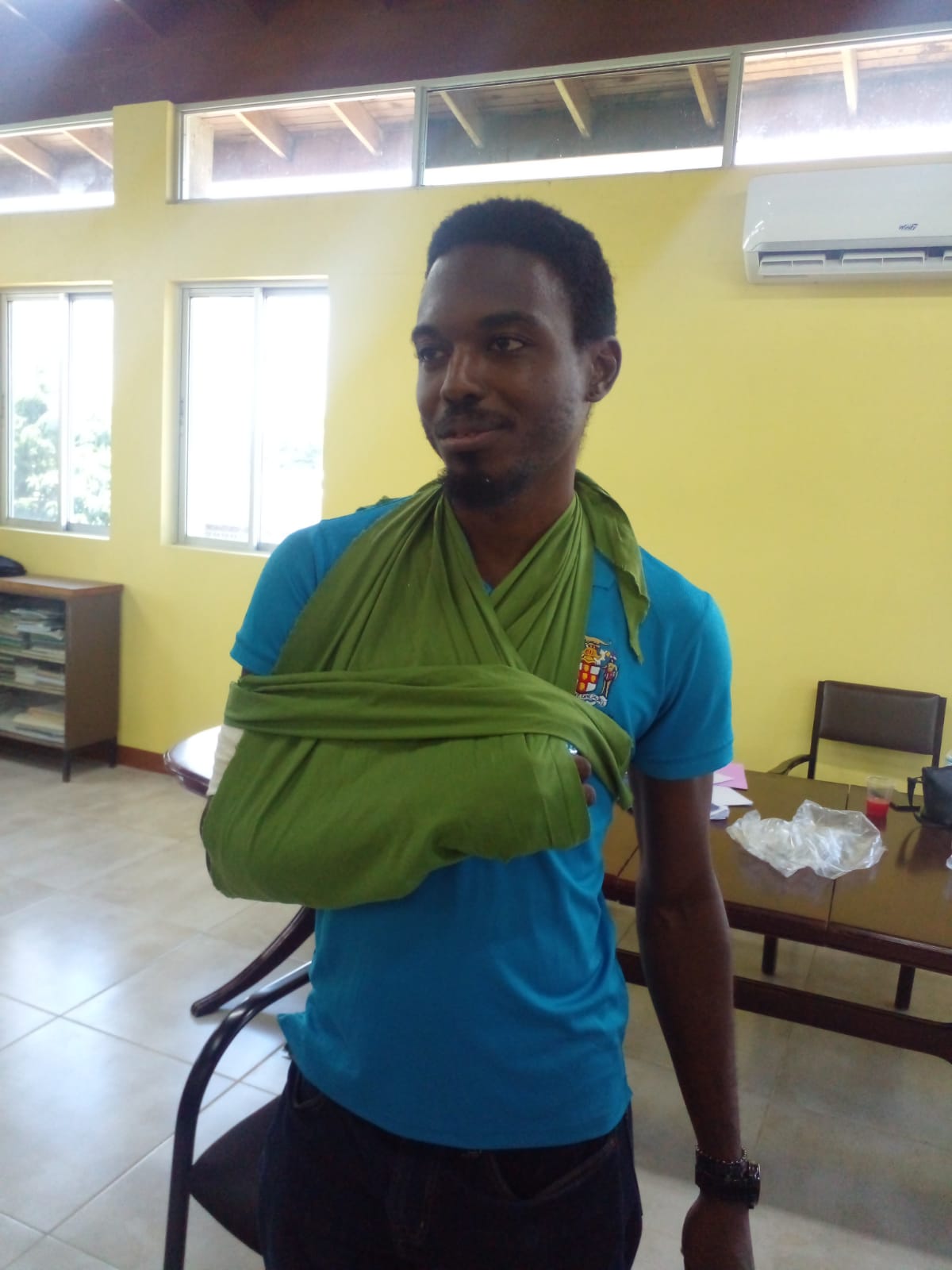
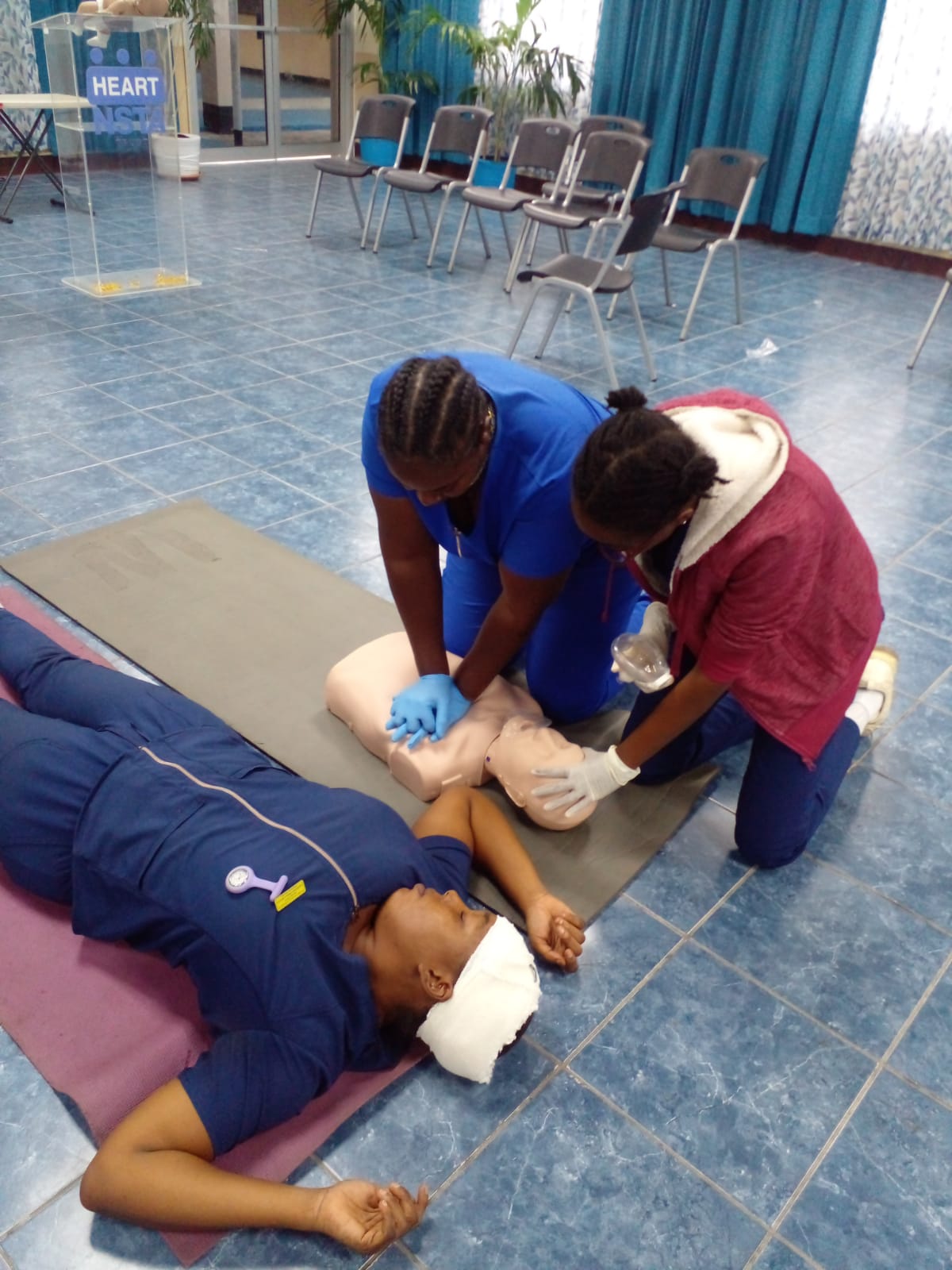
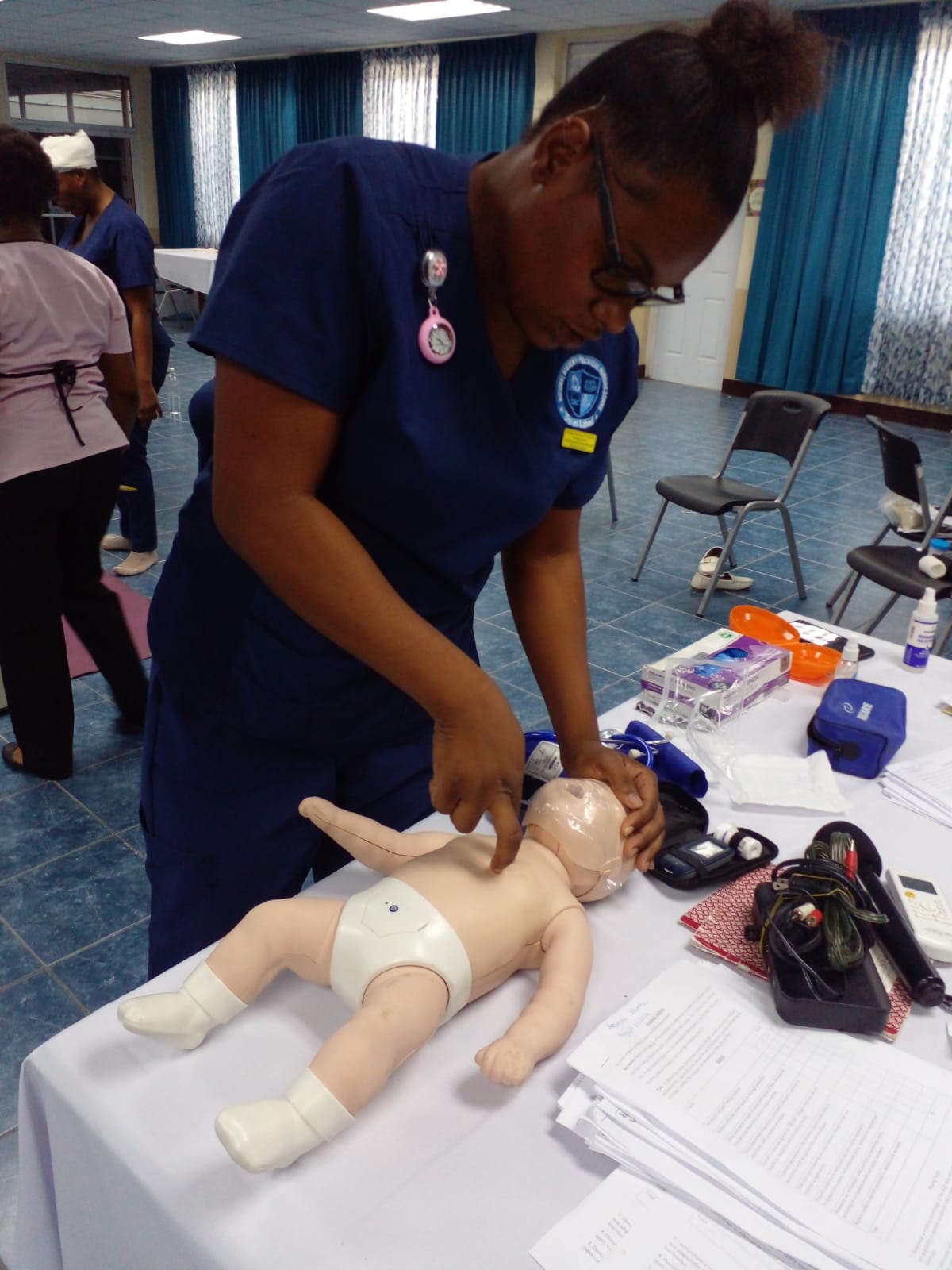
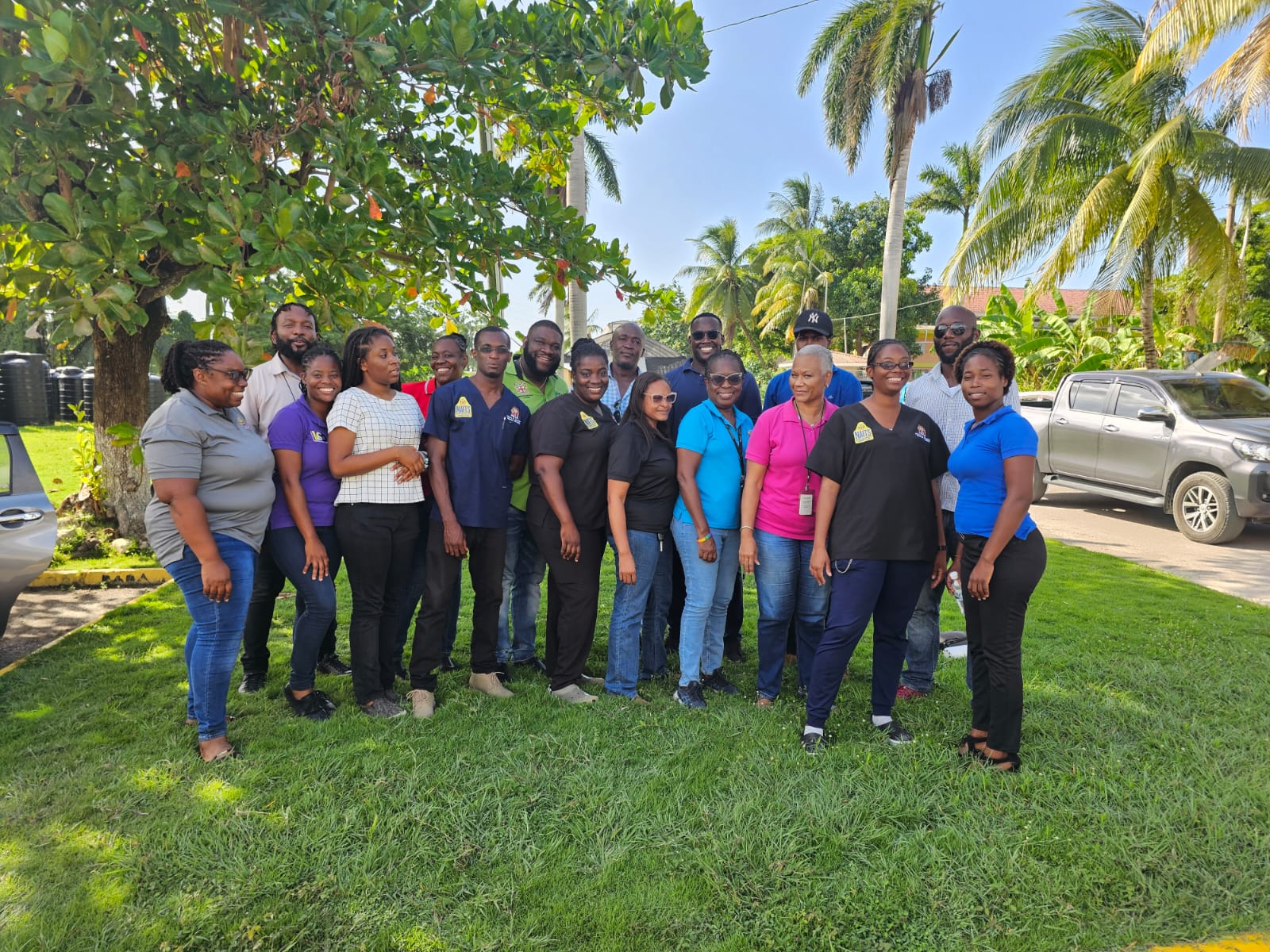
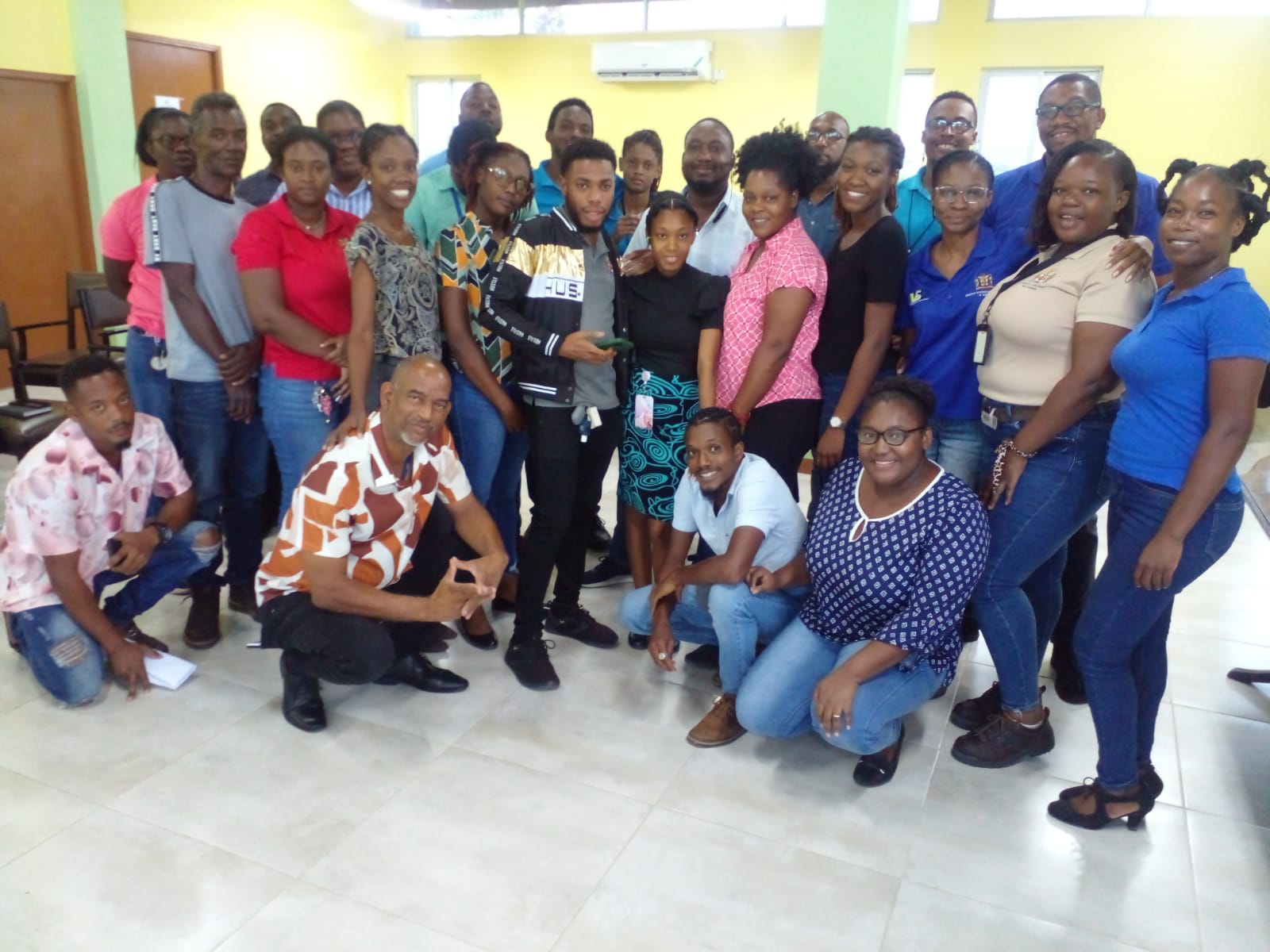
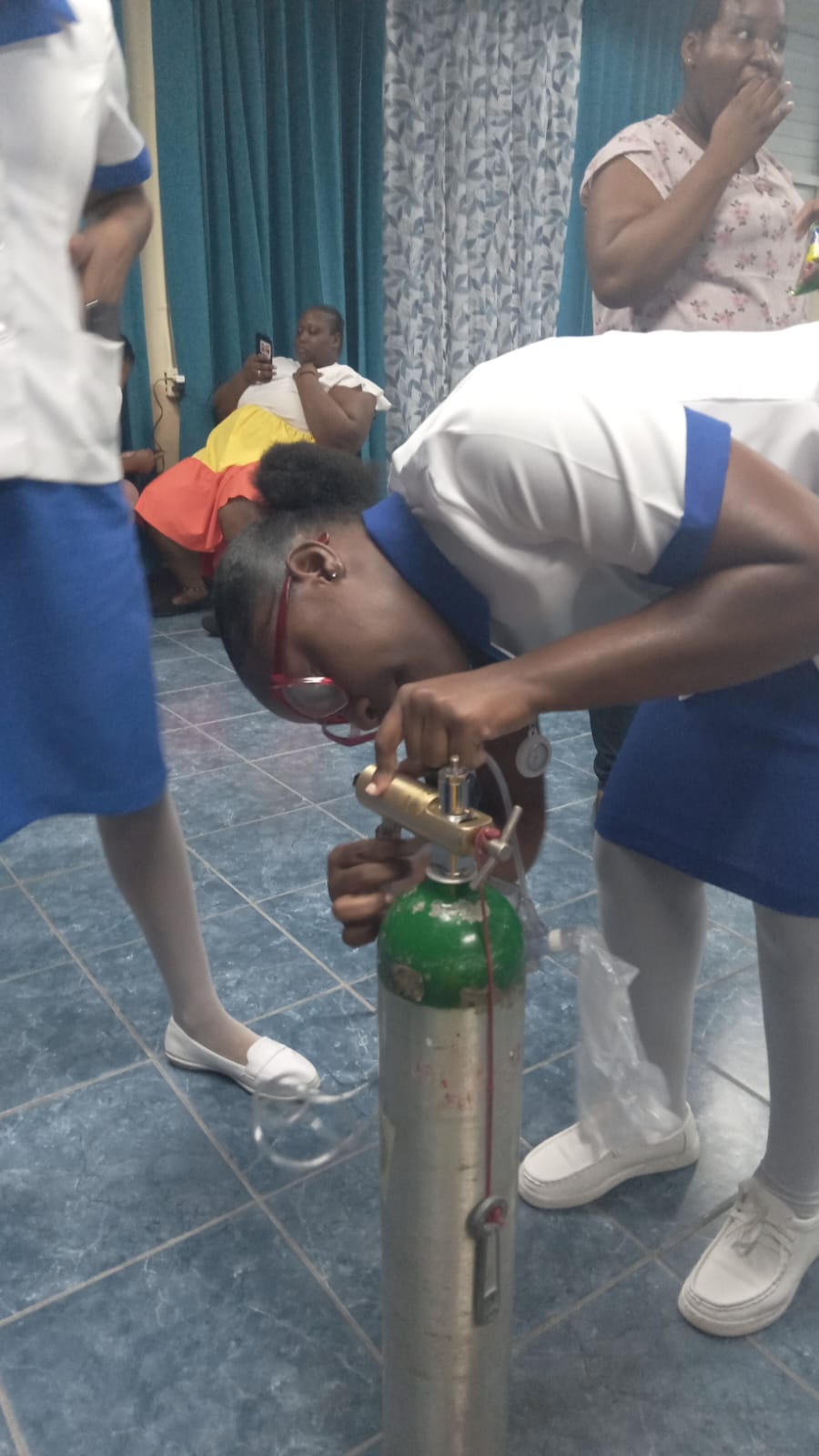
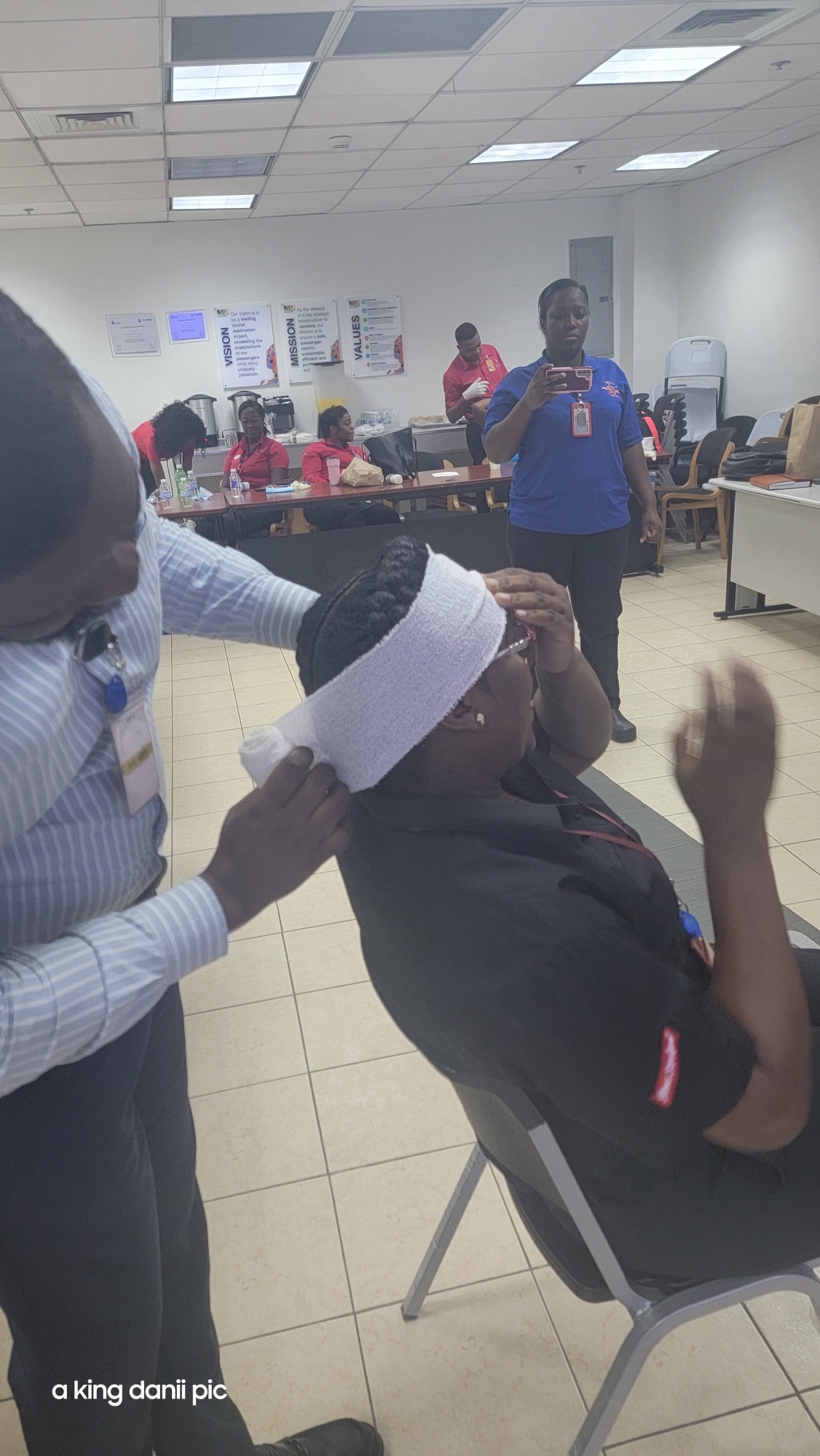
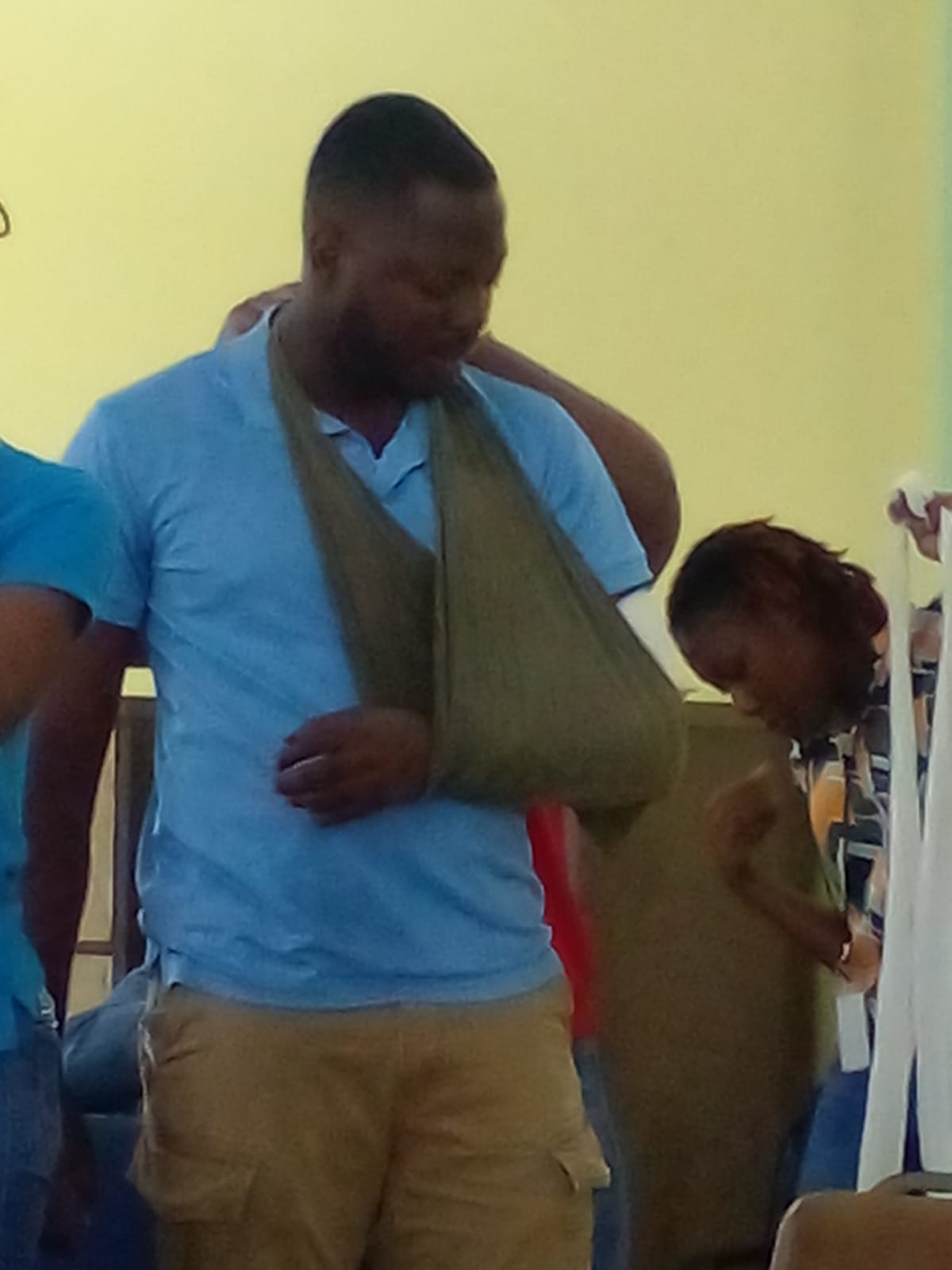
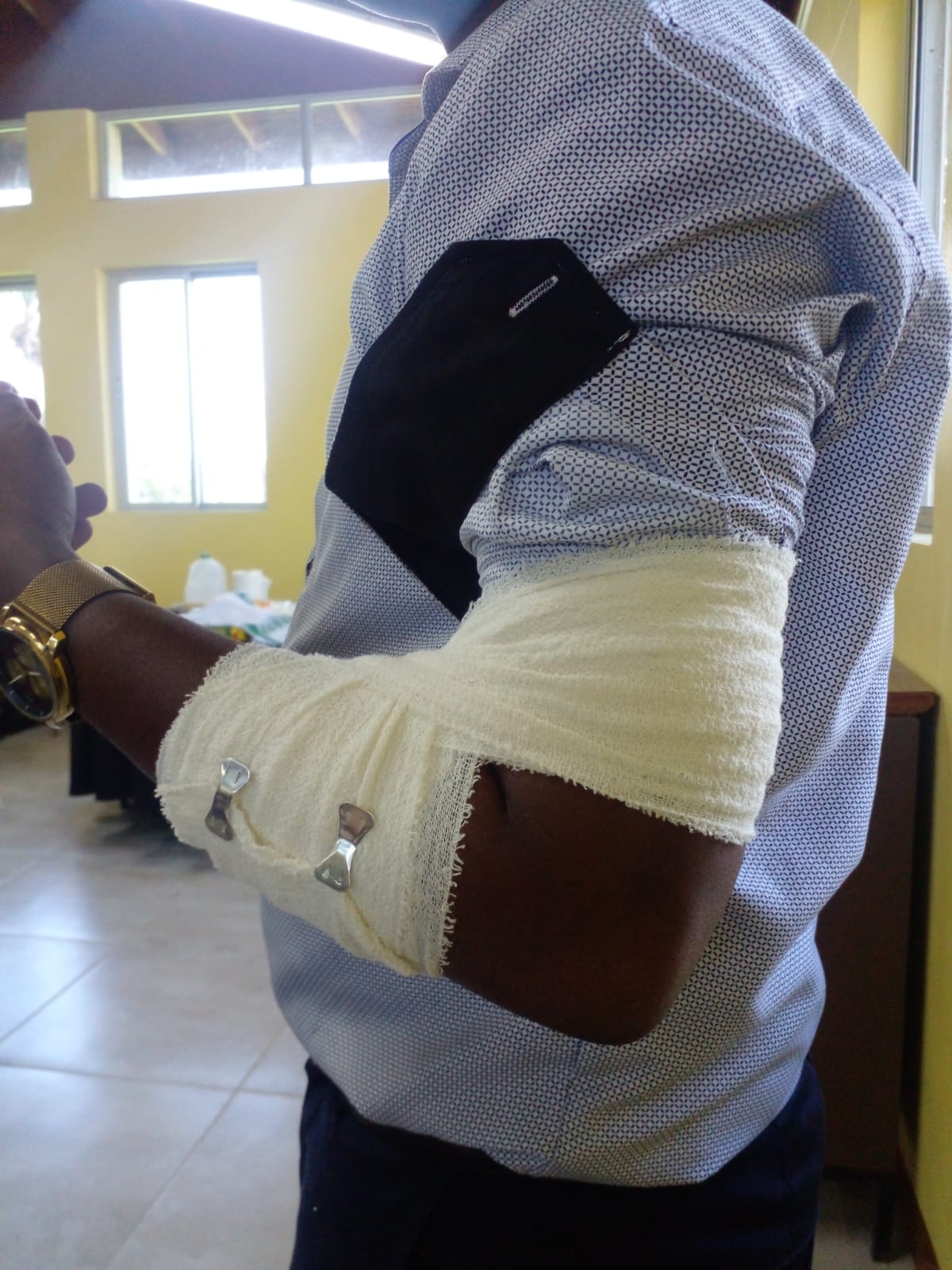

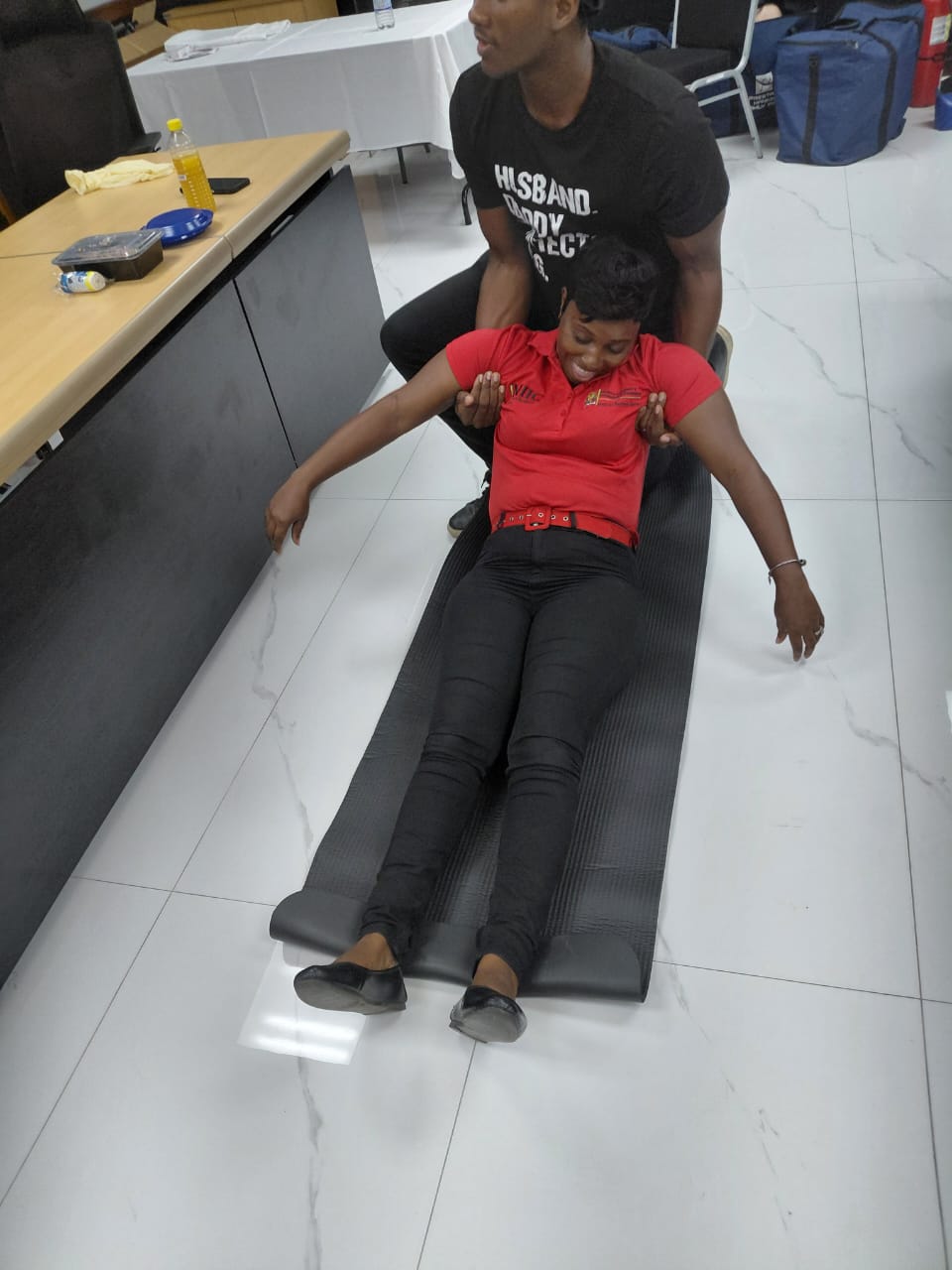

OHS and Emergency Preparedness Training, step by step
Assess the scene
We start with how to check for danger, see what happened, and decide whether it is safe for you to approach the person.
Learn the basics
You cover the ABCs of first aid, how to call for help properly, and what information to give the emergency services.
Practise the skills
You work through each injury type, taking turns to be the helper and the patient, using bandages, splints, and manikins.
Run through scenarios
We put you in realistic situations where you have to decide what to do, then talk through your choices as a group.
Why Jamaica Rescue Academy for OHS, FirstAid, CPR, & AED Training
Calm under pressure
The point of training is to replace panic with a clear plan. You practise the steps until your hands know what to do even when your mind is racing.
Practical and simple
No jargon and no complicated equipment. We focus on what actually works in a real emergency, using things you can find around you.
Built for Jamaica
We talk about the situations you are likely to meet here, from road accidents to heat exhaustion, and how to get help in our communities.
Related services
View all training Jamaica's Tuition-Free EMT Training ProgramThe Emergency Medical Technician (EMT) Programme is a comprehensive and professionally structured training course designed to prepare participants to function effectively as first responders in both emergency medical and traumatic situations.View detailsIntegrated First Aid, Basic life support (BLS), Airway Management, & Oxygen Therapy TrainingThe Skills to Respond. The Knowledge to Save Lives.
Professional-level emergency response course that builds on First Aid and BLS foundation.View detailsEmergency responseA complete course for community responders and workplace emergency teams. Covers first aid, CPR, AED use, and how to coordinate with ambulance and hospital services. You will practise scenarios that build the confidence to act when it matters.View details
Occupational Health & Safety (OHS) and Emergency Preparedness Training FAQs
Get in touch about a course
Tell us about your group and what you want to learn. We will get back to you with a course plan and a date that works.