Why a proper first aid kit matters
A first aid kit is not a box of plasters you hope never to open. It is the first line of response when someone gets hurt, and the contents decide whether you can stop bleeding, cool a burn, or support a sprain until professional help arrives. In Portmore and the greater Kingston area, homes and workplaces face heat, traffic, and physical work that can lead to cuts, falls, and heat-related illness. A kit that is well stocked and easy to reach turns a bad moment into a manageable one.
Many kits start with a few bandages and then get forgotten. Supplies run out, items expire, and nobody checks the contents for months. When an accident happens, the kit is either empty or missing the one thing you need. That is why the first step is not buying a bigger box, it is understanding what goes inside and committing to a simple routine of checking and restocking. A good kit is not about quantity; it is about having the right items in good condition.
The essential supplies to stock
Every kit should cover the basics: cuts, scrapes, burns, sprains, and minor illnesses. Start with adhesive bandages in several sizes, sterile gauze pads, and medical tape to hold dressings in place. Add antiseptic wipes or solution to clean wounds, and antibiotic ointment to prevent infection. For burns, include a burn gel or a clean cloth that can be soaked in cool water. A pair of scissors, tweezers, and disposable gloves are non-negotiable, they protect you and the injured person.
For workplaces, think about the specific risks. If you work with machinery, add a trauma dressing or a tourniquet for severe bleeding. If you work outdoors, include a cold pack for heat exhaustion and a thermal blanket for shock. For homes, include a thermometer, pain relievers like paracetamol or ibuprofen, and oral rehydration salts for diarrhoea or heat. Do not forget a first aid manual or a quick-reference card, when panic sets in, written steps help you stay calm and act correctly.
How to organise and store the kit
A first aid kit is only as good as its location. It must be visible, accessible, and known to everyone in the building. In a workplace, place it near the highest-risk area, the workshop floor, the kitchen, or the loading bay, but also have one in the office or break room. At home, keep it in a central spot like the kitchen or hallway, not locked away in a bedroom cupboard. Make sure children cannot reach it, but adults know exactly where it is.
Inside the kit, use clear, labelled pouches or compartments. Group items by type: wound care, burn care, medications, and tools. This saves precious seconds during an emergency. Keep a list of contents taped to the inside lid, and mark the expiry dates on each item. If you use something, replace it immediately, do not wait for a monthly check. A kit that is half-empty is a false promise of safety.
Maintaining and checking your kit
A first aid kit needs a regular check, just like a car needs an oil change. Set a reminder, once a month is ideal, and go through the contents systematically. Check expiry dates on medications, antiseptics, and sterile items. Replace anything that is damaged, used, or past its date. Make sure the gloves are still pliable and the scissors still cut. A kit that sits in a hot car or direct sunlight will degrade faster, so store it in a cool, dry place.
Also, think about how many people will use the kit. A workplace with twenty staff needs more supplies than a home with two adults. Restock based on usage, not just the calendar. If you use three bandages in a month, buy a bigger pack next time. Keep a notepad in the kit to jot down what was used, this helps you remember what to replace and reveals patterns in the types of injuries that happen.
Training makes the kit effective
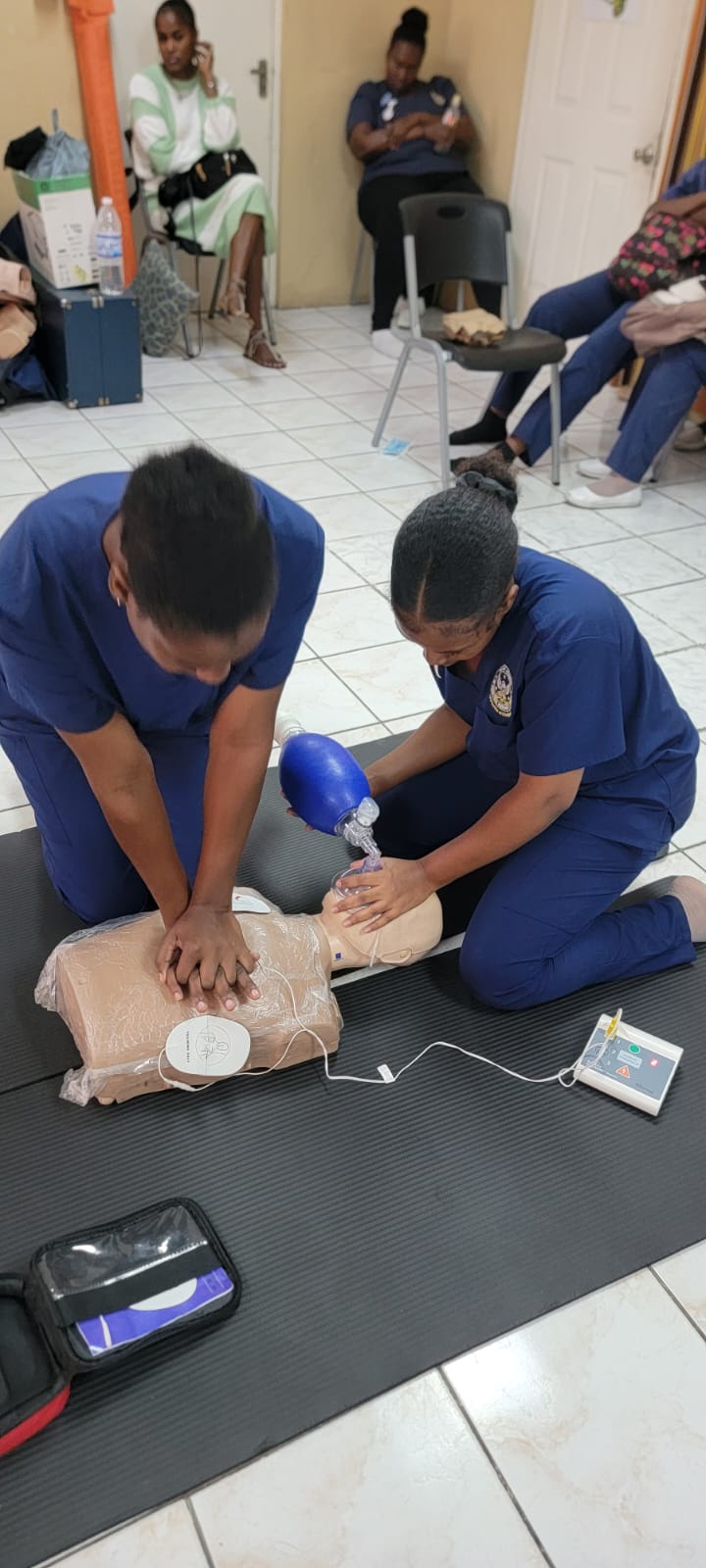
Even the best-stocked kit is useless if nobody knows how to use it. A first aid course teaches you how to clean a wound properly, apply a bandage that stays put, recognise the signs of a heart attack, and perform CPR. It also builds confidence, you are less likely to freeze when you have practised the steps. In Jamaica, first aid training is available through organisations like the Jamaica Rescue Academy, and many workplaces now require staff to be certified.
After you get trained, do a quick drill with your household or team. Walk through a scenario: someone cuts their hand, someone faints, someone burns their arm. Practise finding the kit, opening it, and using the items. This takes ten minutes but makes a real difference when an emergency happens. And when your training certificate expires, renew it, skills fade, and guidelines change. A first aid kit and a trained person are a powerful combination.