What the training actually covers
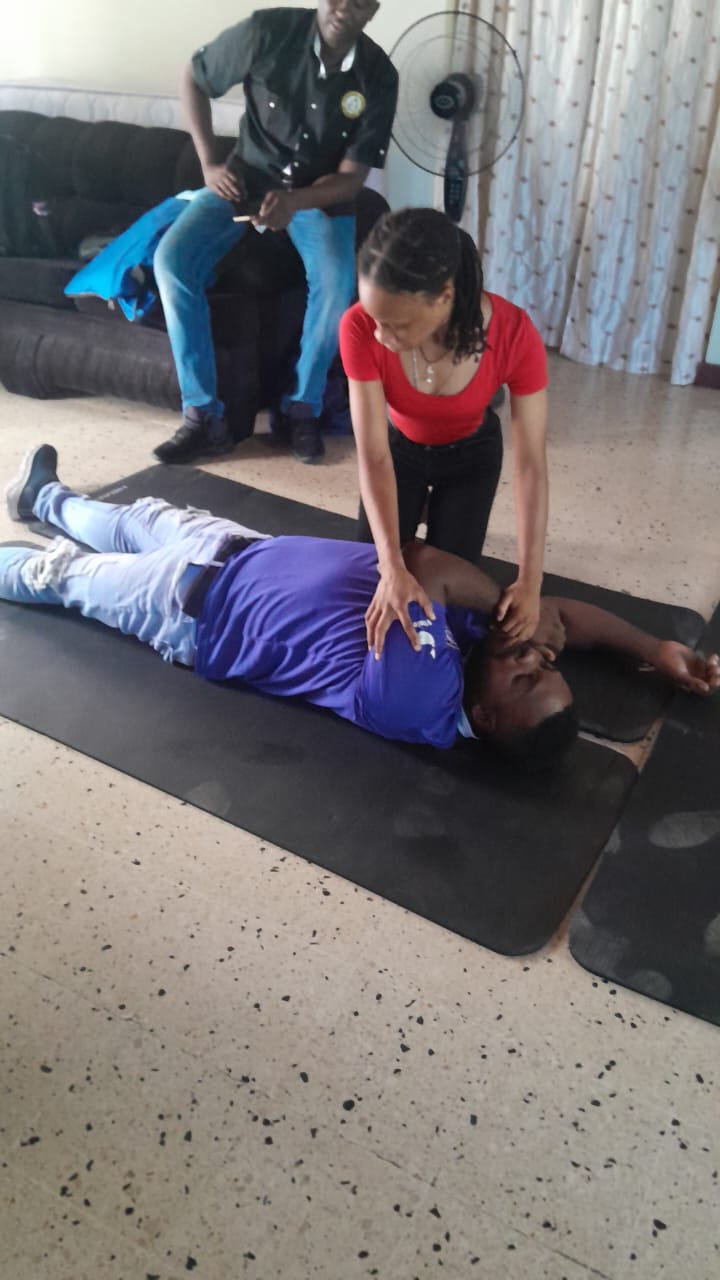
A first aid course teaches you how to respond when someone is injured or suddenly falls ill. You will learn to recognise emergencies, keep yourself safe, and give basic care until professional help arrives. Most courses mix short talks with hands-on practice, so you are not just listening, you are doing. Expect to practise bandaging, checking breathing, and putting someone in the recovery position.
The heart of the training is building confidence. Many people freeze in an emergency because they are not sure what to do. A good course walks you through common situations step by step, so the actions feel familiar. You will also learn what not to do, which is just as important. Knowing when to call for an ambulance and when to move a person can make a real difference.
Hands-on practice and manikins
Most of the session is spent practising on manikins, the training dummies used for CPR and breathing checks. You will press on the chest to the right depth and rhythm, and you will practise giving rescue breaths. The instructor will watch and correct your technique, because doing it properly matters. You may also work in pairs, taking turns being the casualty and the rescuer.
You will handle bandages, dressings, and perhaps a pocket mask. These are the tools you would use in real life, so getting comfortable with them is part of the training. Some courses include a simple assessment at the end, where you show what you have learned. It is not a formal exam, but it confirms you can perform the key skills.
What you need to bring and wear
Wear comfortable clothes that you can move in, because you will be kneeling, bending, and leaning over manikins. Closed-toe shoes are a good idea, especially if the class involves any floor work. Bring a notepad and pen if you like to write things down, though many courses provide a manual or a quick-reference card. You do not need any special equipment or prior knowledge, just a willingness to join in.
If you have a physical limitation that might affect your participation, let the trainer know in advance. They can often adjust the practice or suggest alternatives. The goal is for everyone to leave with the skills, even if the way you practise looks a little different. Hydrate before the class and have a light meal, as you will be active for a few hours.
How the course is structured
A typical first aid course runs for several hours, sometimes a full day or split across two sessions. The first part usually covers the basics: assessing the scene, checking for danger, and calling for help. Then you move into specific skills like CPR, treating bleeding, and managing choking. The instructor will demonstrate each skill, then give you time to practise.
There are short breaks, and you will not be expected to sit still the whole time. The pace is steady, and questions are welcome. By the end, you should feel comfortable performing the steps without looking at your notes. The course finishes with a review and often a simple test of your practical skills.
Getting ready for your certification
Before you attend, check what the course includes and what you will receive at the end. Many providers issue a certificate that is valid for a set period, usually one to three years. Ask about the renewal process, so you know when you will need a refresher. You might also get a wallet card or a digital copy to keep with you.
On the day, arrive a few minutes early to sign in and settle. Let the trainer know if you have any questions about the content or the assessment. After the course, practise your skills occasionally, even if it is just going through the steps in your head. That way, you stay ready to help when it matters. If you are taking the course for work, tell the trainer what your workplace is like, so they can give relevant examples.